
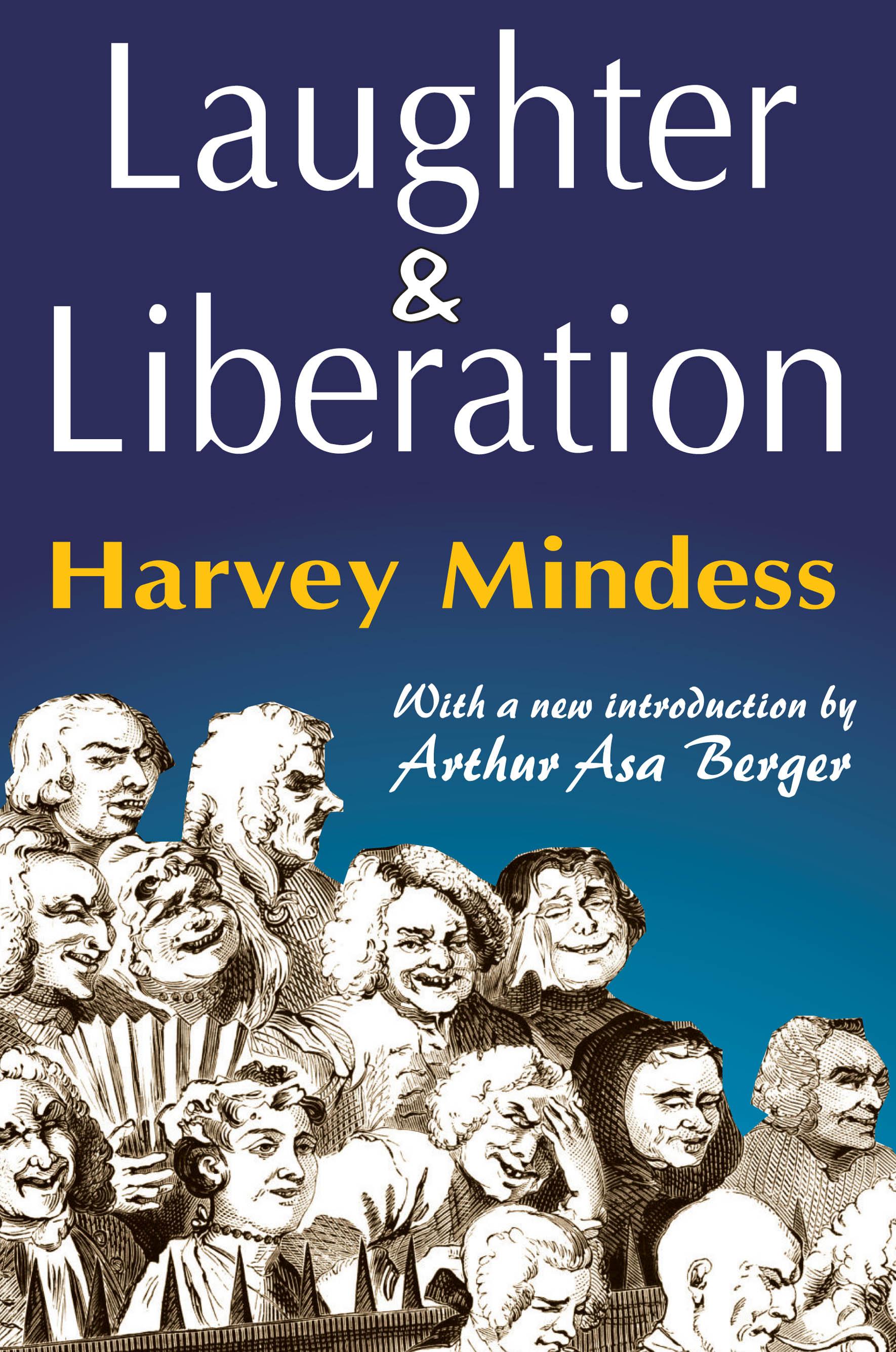
Laughter and Liberation is based on the idea that humor is an agent of psychological liberation. Since we are able to include every kind of wit and humor under the umbrella of this thesis, it amounts to an informal, comprehensive theory of the ludicrous. Briefly put, the theory proposes that the most fundamental function of humor is its power to release us from the inhibitions and restrictions under which we live our daily lives.The quest for laughter is as old as man himself Egyptian pharaohs and Roman emperors went to great lengths to amuse themselves, as did the monarchs of medieval Europe with court jesters. Our speech and literature abound with references to humor such as: "Laugh and the world laughs with you, cry and you cry alone," "He who laughs last laughs best," "All the world loves a clown," "Laugh if you are wise," and "A good laugh is sunshine in the house."In Laughter and Liberation, Harvey Mindess tells us how laughter and our sense of humor work. He gives us the background of several well-known humorists Steve Allen, Richard Armour, Sholom Aleichem and explains his theory of how and why they have become expert in making others laugh.
Pay easily by card, Klarna, Apple Pay or Google Pay. Not happy? You always have a 14-day money-back guarantee. Read more in our terms. If you have any questions, email us at hello@memmo.org.
Memmo makes studying easier – wherever you are in the world. We bring your course books and smart study tools together in one place: summaries, quizzes, podcasts and flashcards. Plus Ted, your study buddy who answers anything you wonder. Over 50,000 students already study here – built to help you learn faster and stress less.
You might also like
Buy the book0