
Understanding Europe's past became an urgent matter with the events of August 1991 in Moscow, in the former Soviet Union. The invasion of Moscow's streets by Russian people rejecting an attempted coup d'etat was the culmination of a process that had been initiated years before and raised crucial questions: To what extent can these events be considered the end of an era stretching from World War I to the 1980s, when Europe experienced many forms of dictatorship? To what extent can the various forms of dictatorship Europe experienced in the twentieth century be grouped together? Can any sort of affinity be established between them?
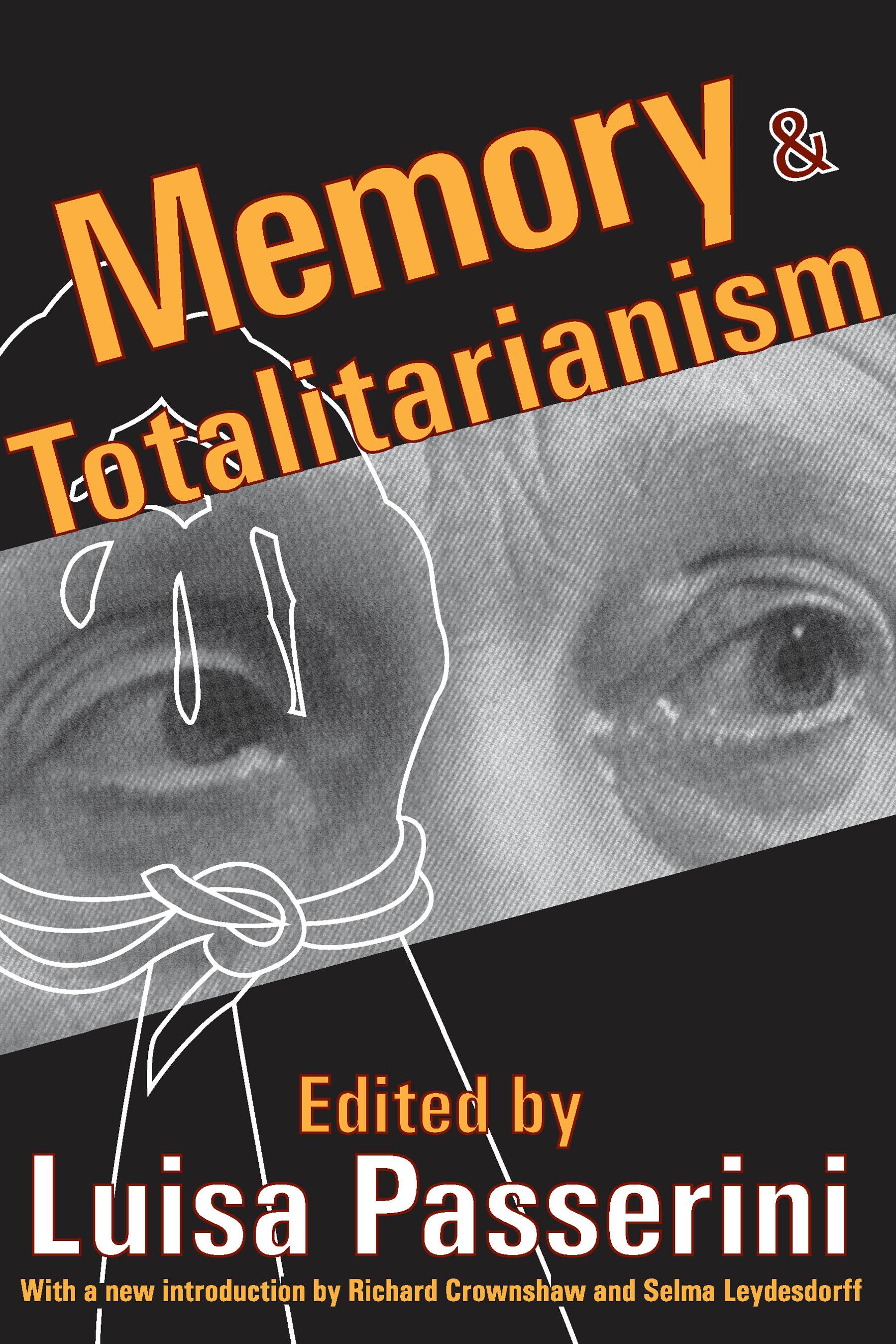
The new introduction to the paperback edition of this volume in the Memory and Narrative series, Leydesdorff and Crownshaw underline the fundamental importance of the struggle for memory and its meaning. Memory and Totalitarianism explores the remembered experiences of individuals living under different totalitarian regimes, and examines the construction of memory in the aftermath of those regimes' collapse. It attempts to situate the findings of oral history in the context of contemporary memory. It wrestles with the most painful memories that Europeans have of this century at the end of the Cold War. These memories compare with oral history's research into such experiences as racist attitudes against blacks in the South, or the cultural and psychological effects of apartheid in South Africa, or the Aborigines' claim to their own history and to a new idea of history in Australia.
Totalitarianisms are products of the twentieth century that go far beyond earlier manifestations of absolutism and autocracy in their effort to completely control political, social, and intellectual life. They were made possible by modern industrialism and technology. Therefore the theme of the book expands to include many other experiences that relate to totalitarian mentalities.
Pay easily by card, Klarna, Apple Pay or Google Pay. Not happy? You always have a 14-day money-back guarantee. Read more in our terms. If you have any questions, email us at hello@memmo.org.
Memmo makes studying easier – wherever you are in the world. We bring your course books and smart study tools together in one place: summaries, quizzes, podcasts and flashcards. Plus Ted, your study buddy who answers anything you wonder. Over 50,000 students already study here – built to help you learn faster and stress less.