
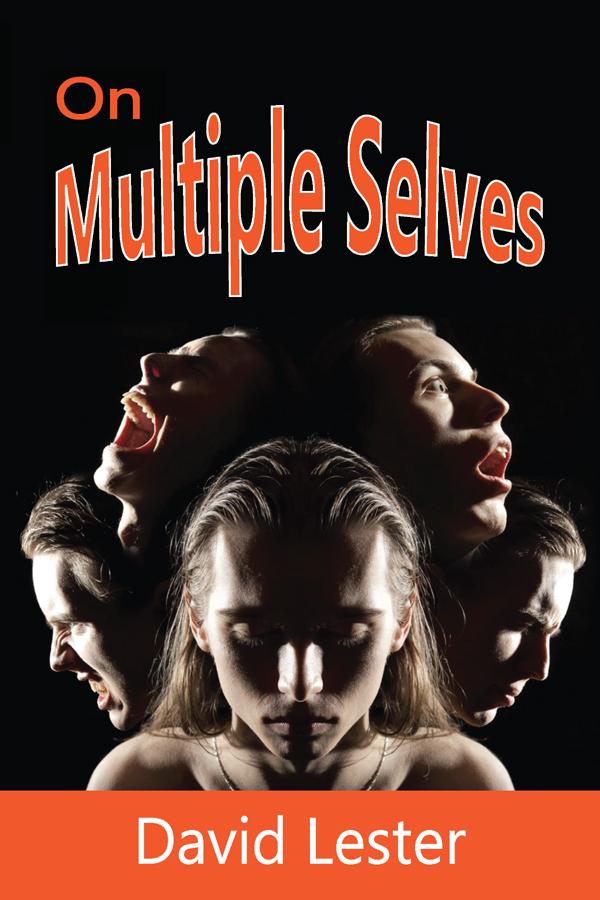
On Multiple Selves refutes the idea that a human being has a single unified self. Instead, David Lester argues, the mind is made up of multiple selves, and this is a normal psychological phenomenon. Lester expands on his earlier work on the phenomenon, illuminating how a "multiple-self theory of the mind" is critically necessary to understanding human behavior. Most of us are aware that we have multiple selves. We adopt different "facade selves" depending on whom we are with. Lester argues that contrary to the popular psychological term, "false self," these presentations of self are all part of us, not false; they simply cover layers of identity. He asserts that at any given moment in time, one or another of our subselves is in control and determines how we think and act. Lester covers situations that may encourage the development of multiple selves, ranging from post-traumatic stress resulting from combat to bilinguals who speak two (or more) languages fluently. Lester's views of multiple selves will resonate with readers' individual subjective experience. On Multiple Selves is an essential read for psychologists, philosophers, and social scientists and will fascinate general readers as well.
Pay easily by card, Klarna, Apple Pay or Google Pay. Not happy? You always have a 14-day money-back guarantee. Read more in our terms. If you have any questions, email us at hello@memmo.org.
Memmo makes studying easier – wherever you are in the world. We bring your course books and smart study tools together in one place: summaries, quizzes, podcasts and flashcards. Plus Ted, your study buddy who answers anything you wonder. Over 50,000 students already study here – built to help you learn faster and stress less.
You might also like
Buy the book0