
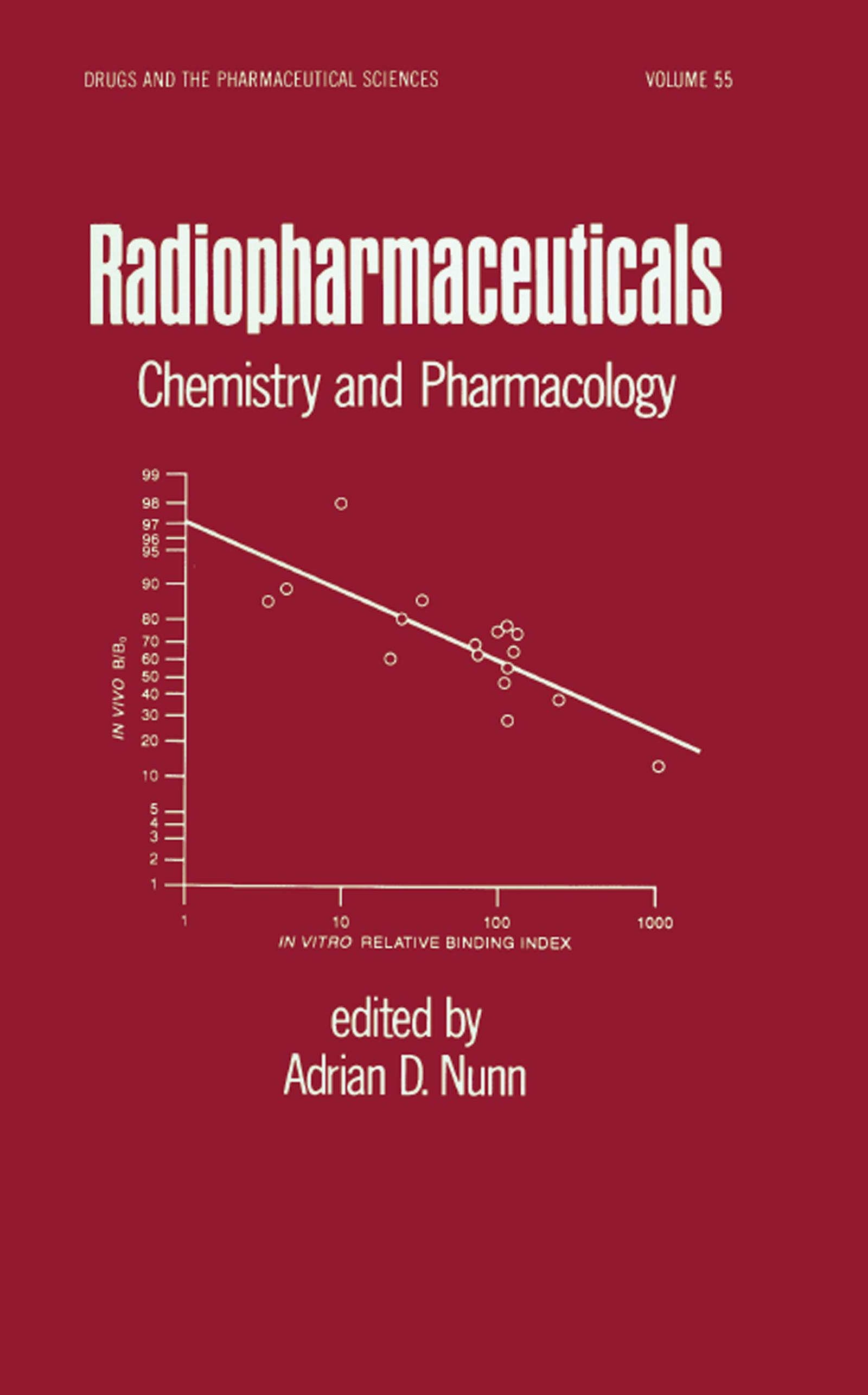
This timely resource compares single-photon emission tomography (SPECT), used mainly withTechnetium and iodine for routine clinical examinations, and positron emission tomography(PET) , employing short-lived radionuclides of carbon, oxygen, nitrogen, and fluorine in researchinvestigations.Presenting the logic behind why one approach is better than another in various circumstances,Radio pharmaceuticals details the use of radiolabelled substrates in measuring the effect of diseaseand drugs on regional metabolism and receptor concentration/occupancy .. . discusses factorsaffecting the selective retention of small metal complexes by various tissues .. . analyzes the interactionof small exogenous metal complexes with enzymes in vivo and the critical role of stereochemistry. . . explores the use of radio labelled compounds in the study of neuroactive compounds,neurotransmitters, enzyme inhibitors, and substrates in vivo .. . covers the design and pharmacologyof radiolabelled drugs as probes of site of action , selectivity and specificity, and pharmacokineticsin vivo .. . and more.Extensively referenced with over l 050 bibliographic citations, Radiopharmaceuticals is a state-ofthe-art guide for pharmacists; organic, medicinal , and radiopharmaceutical chemists; pharmacokineticists;nuclear medicine physicians and technologists; neurochemists; and governmentregulatory personnel .
Pay easily by card, Klarna, Apple Pay or Google Pay. Not happy? You always have a 14-day money-back guarantee. Read more in our terms. If you have any questions, email us at hello@memmo.org.
Memmo makes studying easier – wherever you are in the world. We bring your course books and smart study tools together in one place: summaries, quizzes, podcasts and flashcards. Plus Ted, your study buddy who answers anything you wonder. Over 75,000 students already study here – built to help you learn faster and stress less.
You might also like
Buy the book0