
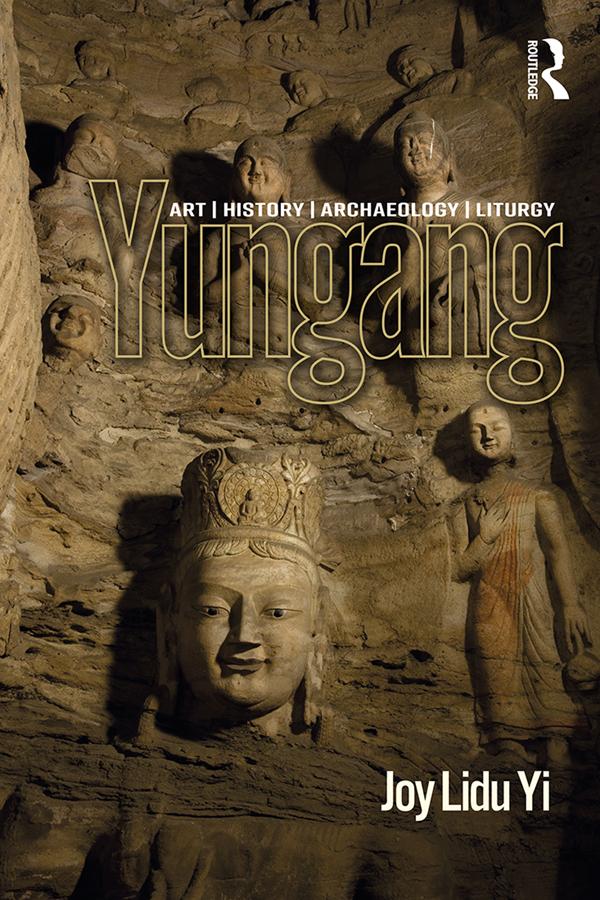
The first-ever comprehensive analysis of its kind in any western language, this unique volume provides a social art history of Yungang: a 5th-century rock-cut court cave complex, UNESCO World Heritage site, and one of the greatest Buddhist monuments of all time. Yungang asks why, when, and under what circumstances this impressive cave sanctuary was made, and who played significant roles at various stages.
Recent economic changes in China including the expansion of roads have led to unprecedented numbers of objects being unearthed on site and near the cave-chapels. Archaeological discoveries in 2010 have shed significant new light on the architectural configuration of monasteries in the capital and the functions of different sections of the cave complex, as well as monastic life within it. For the first time, it is possible to reconstruct where the monks lived and translated sacred literary texts, and to fully understand that freestanding monasteries are an important component of the rock-cut cave complex.
Illustrated throughout with remarkable full-colour photographs, this re-examination of the cave-chapels, which brings together previous scholarship, primary documentation, and more than a decade of first-hand field research, will not only fill in the gaps in our knowledge about Yungang, but also raise, and perhaps answer, new questions in art history.
Pay easily by card, Klarna, Apple Pay or Google Pay. Not happy? You always have a 14-day money-back guarantee. Read more in our terms. If you have any questions, email us at hello@memmo.org.
Memmo makes studying easier – wherever you are in the world. We bring your course books and smart study tools together in one place: summaries, quizzes, podcasts and flashcards. Plus Ted, your study buddy who answers anything you wonder. Over 75,000 students already study here – built to help you learn faster and stress less.