
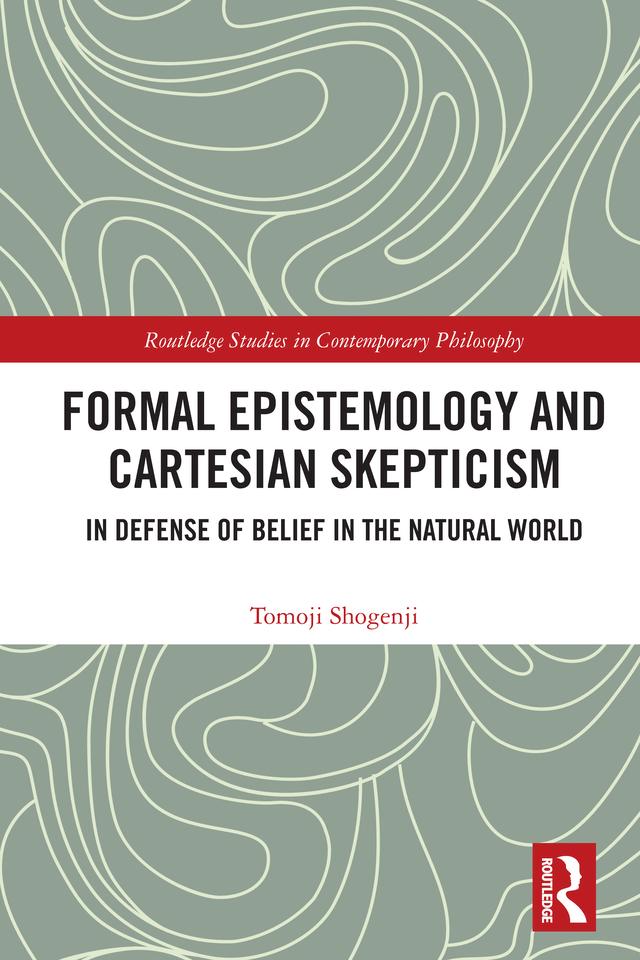
This book develops new techniques in formal epistemology and applies them to the challenge of Cartesian skepticism. It introduces two formats of epistemic evaluation that should be of interest to epistemologists and philosophers of science: the dual-component format, which evaluates a statement on the basis of its safety and informativeness, and the relative-divergence format, which evaluates a probabilistic model on the basis of its complexity and goodness of fit with data. Tomoji Shogenji shows that the former lends support to Cartesian skepticism, but the latter allows us to defeat Cartesian skepticism. Along the way, Shogenji addresses a number of related issues in epistemology and philosophy of science, including epistemic circularity, epistemic closure, and inductive skepticism.
Pay easily by card, Klarna, Apple Pay or Google Pay. Not happy? You always have a 14-day money-back guarantee. Read more in our terms. If you have any questions, email us at hello@memmo.org.
Memmo makes studying easier – wherever you are in the world. We bring your course books and smart study tools together in one place: summaries, quizzes, podcasts and flashcards. Plus Ted, your study buddy who answers anything you wonder. Over 50,000 students already study here – built to help you learn faster and stress less.