
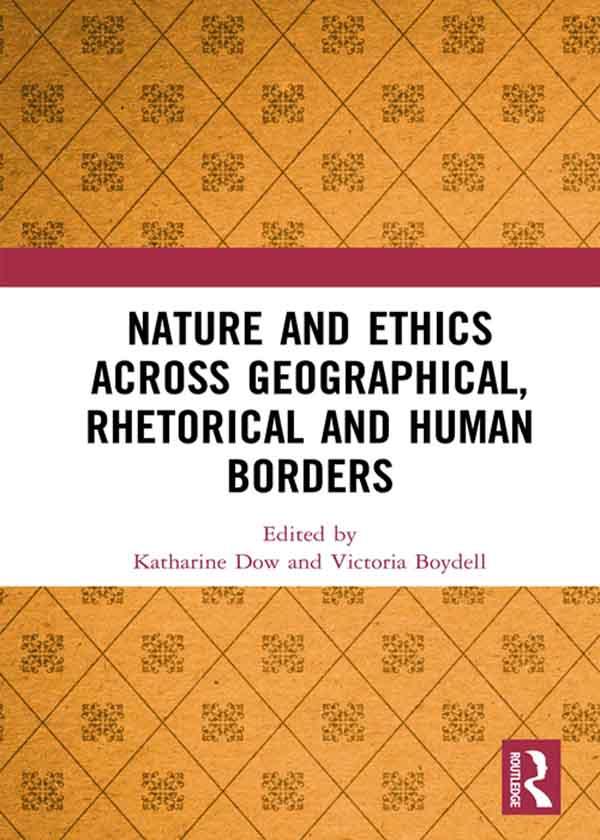
How we dispose of our rubbish, choose the foods we buy, enjoy art, relate to our families, and think about ourselves are just a few of the ways that ideas about nature shape our everyday ethical decisions. Nature and ‘natural facts’ have long been used to make sense of why we act a certain way. Nature is a concept with great power: when we describe something as ‘natural’ or ‘unnatural’, it has a moral force and political consequences. We see this in moral panics about genetically modified foods, the spread of government-enforced waste recycling schemes, concerns about assisted reproductive technologies. Our ideas about what is natural shape our ethical thinking, in terms of how people live (or want to live) their lives, but also in guiding our sense of morality, justice and truth.
The idea of naturalness is essential to grasping Anglo-American cultures. Throughout history and in different places, nature has had different forms, meanings, and moral valences. It is a knowable fact, but at the same time almost a divine principle that is ultimately unfathomable. Yet with the rise of new technologies, there is increasing uncertainty about what we claim to be natural, who we are, how we are related to each other, and how we should live.
This book examines the how ideas about nature and ethics overlap and separate across cultural, species, geographic, and moral boundaries. It compares the varied ways in which nature and ideas of naturalness pervade all aspects of people’s lives, from family relationships, to the production and consumption of food, to ideas about scientific truth. In a world of increasing uncertainty, nature remains a powerful concept: the ultimate reference point, invested with profound moral authority to guide our ethical behaviour. This book was originally published as a special issue of Ethnos.
Pay easily by card, Klarna, Apple Pay or Google Pay. Not happy? You always have a 14-day money-back guarantee. Read more in our terms. If you have any questions, email us at hello@memmo.org.
Memmo makes studying easier – wherever you are in the world. We bring your course books and smart study tools together in one place: summaries, quizzes, podcasts and flashcards. Plus Ted, your study buddy who answers anything you wonder. Over 50,000 students already study here – built to help you learn faster and stress less.