
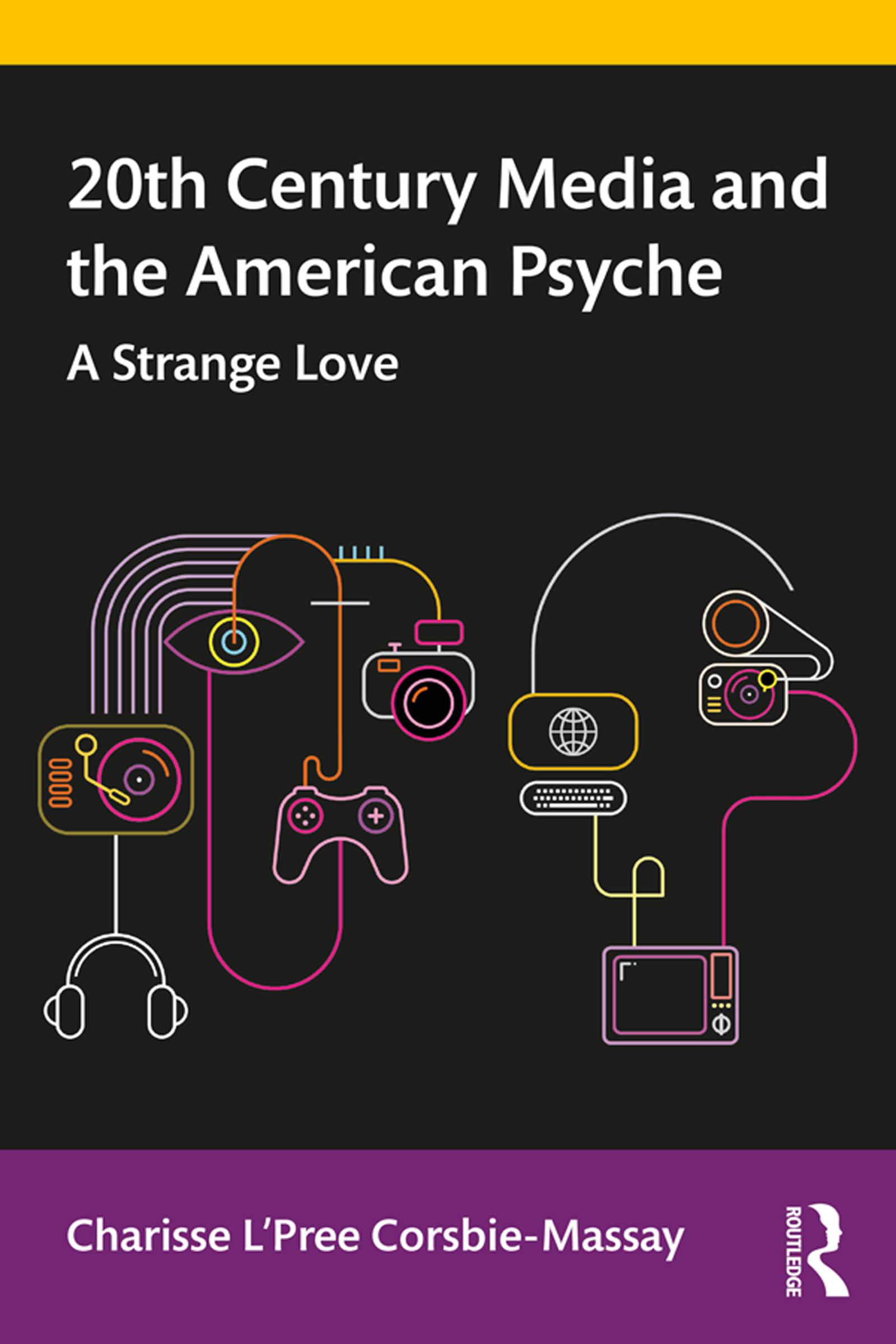
This innovative text bridges media theory, psychology, and interpersonal communication by describing how our relationships with media emulate the relationships we develop with friends and romantic partners through their ability to replicate intimacy, regularity, and reciprocity.
In research-rich, conversational chapters, the author applies psychological principles to understand how nine influential media technologies—theatrical film, recorded music, consumer market cameras, radio, network and cable television, tape cassettes, video gaming, and dial-up internet service providers—irreversibly changed the communication environment, culture, and psychological expectations that we then apply to future media technologies. With special attention to mediums absent from the traditional literature, including recorded music, cable television, and magnetic tape, this book encourages readers to critically reflect on their own past relationships with media and consider the present environment and the future of media given their own personal habits.
20th Century Media and the American Psyche is ideal for media studies, communication, and psychology students, scholars, and industry professionals, as well as anyone interested in a greater understanding of the psychological significance of media technology, usage, and adoption across the past 150 years.
Pay easily by card, Klarna, Apple Pay or Google Pay. Not happy? You always have a 14-day money-back guarantee. Read more in our terms. If you have any questions, email us at hello@memmo.org.
Memmo makes studying easier – wherever you are in the world. We bring your course books and smart study tools together in one place: summaries, quizzes, podcasts and flashcards. Plus Ted, your study buddy who answers anything you wonder. Over 50,000 students already study here – built to help you learn faster and stress less.