
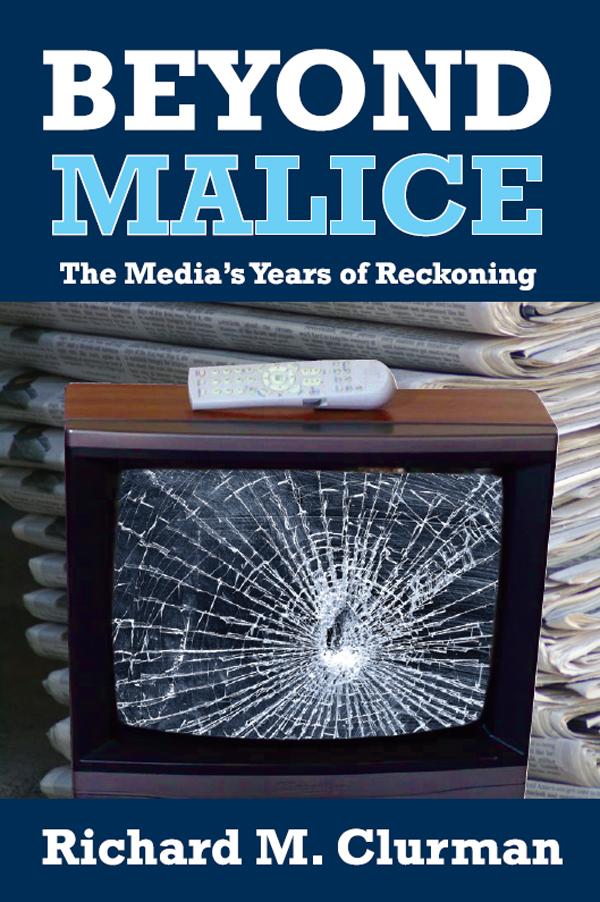
The national news media, as now practiced, were born in the 1950s, revealed their strength in the 1960s (Vietnam), asserted it in the 1970s (Watergate), and were hammered for it in the 1980s. By the mid- and late 1980s, after historic libel suits, with the press knocking off presidential candidates and Supreme Court nominees, unraveling the Reagan presidency, and in a position to overwhelm any individual or institution, a new era in press-public tension had arisen from the depths of America's civic religion: fair play.In this account of the media mandarins' rise to uneasy domination, Richard M. Clurman gives an intimate critical report of the media in the 1980s, the stormiest years in press history until the present time, and a harbinger of the present day. Beginning with the invasion of Grenada, he takes his readers - event by event - through the biggest uproars in history, raising questions from both the media's and the public's perspective on the key troubling press issues of our time. Why is the press accused of being so negative, so biased, so left-wing, so anti-establishment? Whenever people read or see something they know about, why is it so often wrong, naive, unfair, or all of the above? Why do the media arrogantly try to tell people what to think? Is there no line between privacy and the people's "right to know"? How can the public and government answer back after the media have spoken?Using the Westmoreland v. CBS and the Sharon v. Time trials as emblematic of how things go wrong, the author draws graphic lessons for improved press conduct and wiser public perception. This is an insider's look at what is right and what is wrong with the media's attitudes toward their work played against public and government expectations.
Pay easily by card, Klarna, Apple Pay or Google Pay. Not happy? You always have a 14-day money-back guarantee. Read more in our terms. If you have any questions, email us at hello@memmo.org.
Memmo makes studying easier – wherever you are in the world. We bring your course books and smart study tools together in one place: summaries, quizzes, podcasts and flashcards. Plus Ted, your study buddy who answers anything you wonder. Over 50,000 students already study here – built to help you learn faster and stress less.