
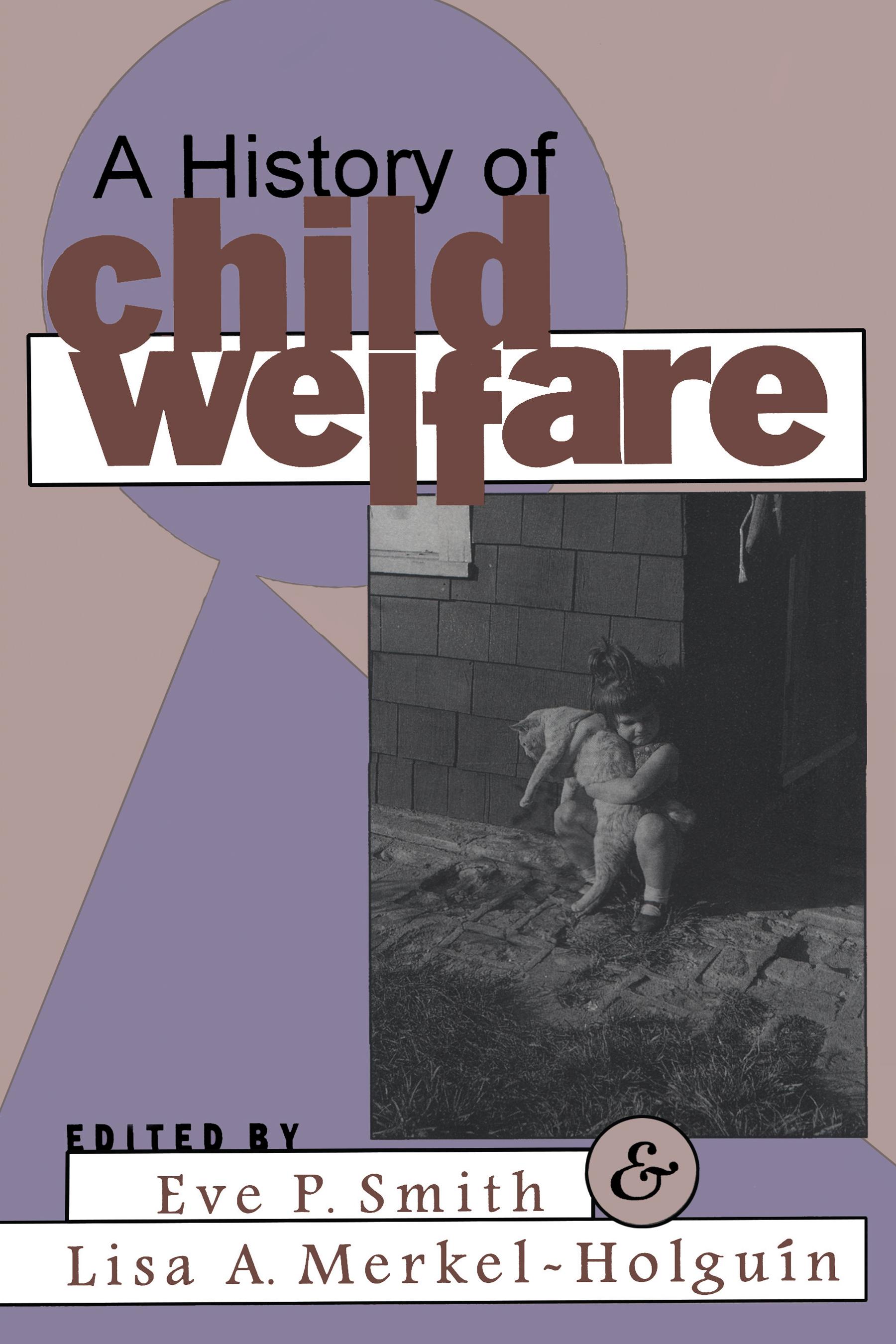
As we approach the year 2000, infant mortality rates, child placement dilemmas, and appropriate socialization of children continue to challenge the field of child welfare. It is thus especially significant to reflect on the history of child welfare. The carefully selected topics explored in this volume underscore the importance of recovering past events and themes still relevant. It is the aim of this volume to illumine current issues by a review of past struggles and problems. A History of Child Welfare offers many examples of practices that have direct import for those who struggle to support children. Who is not bothered by what seem to be increasing acts of violence by children against children? The role of hidden cruelty to children in perpetuating violence is illuminated by studying the past. Historians and social researchers have gone far in examining the family, and by implication, their revelations greatly increase society's complex responses to children over time from early assumptions that children were little more than miniature adults to the discovery of childhood as a special developmental period. At the start of this century women still did not have universal suffrage and brutal child labor was not unusual. Harsh legal codes separating the races were widespread, and those bent on improving the lot of children knew that reform meant commitment to an uphill struggle. By the end of the century, much has changed: child labor, while still present, has been outlawed in most industries, women vote and hold many high offices; and de jure racial segregation is largely a memory. Yet the state of children remains precarious, with poverty a persistent theme throughout the century. The fifteen articles in this volume cover a wide range of social conditions, public policies, and approaches to problem solving. Though history does not repeat itself precisely, problems, controversies about solutions, and certain themes do. A History of Child Welfare takes up social and economic conditions that correlate with increasing rates of child abuse and neglect, and an increasing number of children in out-of-home care. This volume distinguishes approaches that have been useful from those that have failed. In this way, these serious reflections help build on past successes and avoid previous errors.
Pay easily by card, Klarna, Apple Pay or Google Pay. Not happy? You always have a 14-day money-back guarantee. Read more in our terms. If you have any questions, email us at hello@memmo.org.
Memmo makes studying easier – wherever you are in the world. We bring your course books and smart study tools together in one place: summaries, quizzes, podcasts and flashcards. Plus Ted, your study buddy who answers anything you wonder. Over 50,000 students already study here – built to help you learn faster and stress less.