
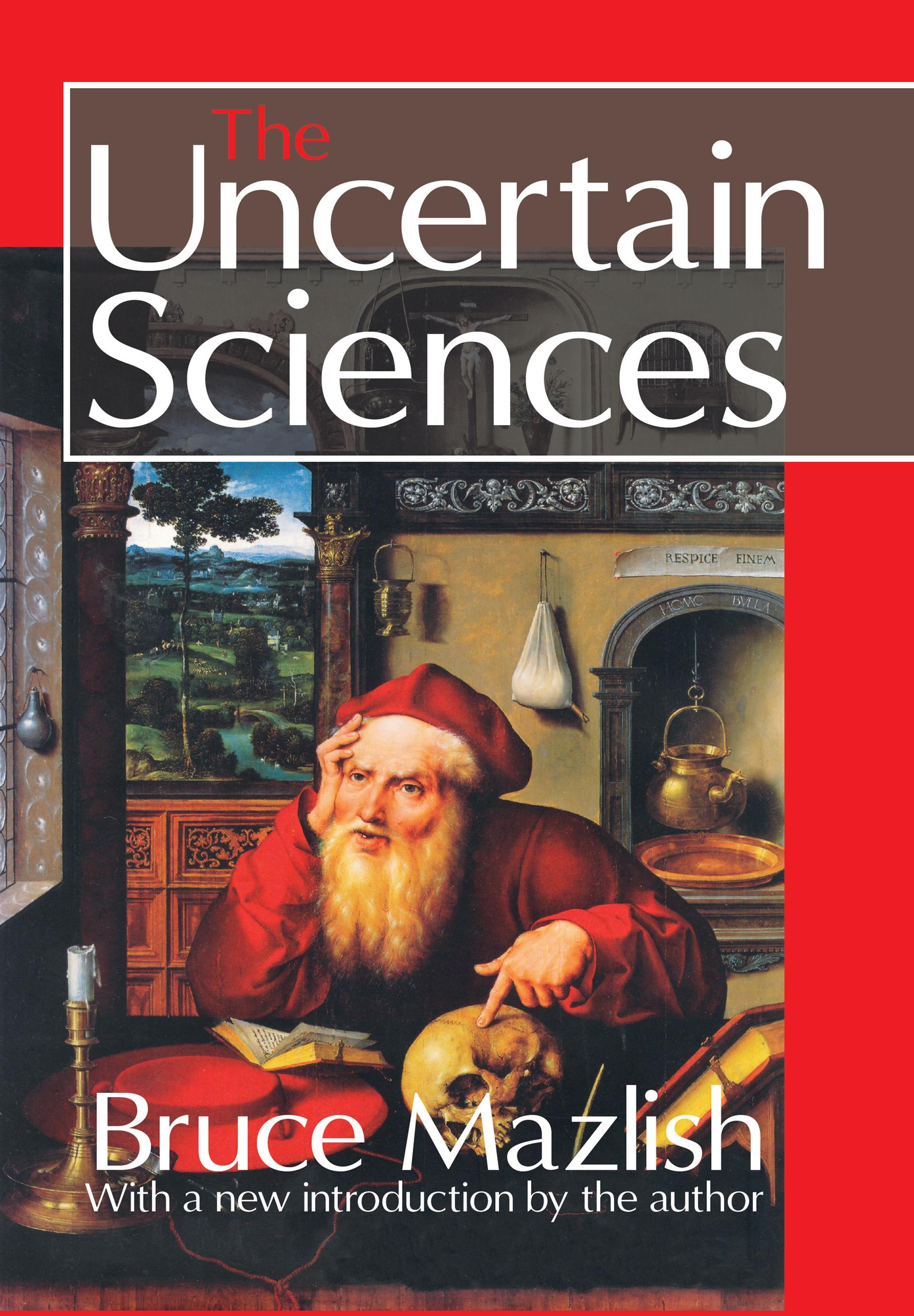
This sweeping inquiry into the present condition of the human sciences addresses the central questions: What sort of knowledge do the human sciences claim to be offering? To what extent can that knowledge be called scientific? and What do we mean by "scientific" in such a context?
In this wide-ranging book, one of the most esteemed cultural historians of our time turns his attention to major questions about human experience and various attempts to understand it "scientifically." Mazlish considers the achievements, failings, and possibilities of the human sciences--a domain that he broadly defines to include the social sciences, literature, psychology, and hermeneutic studies.
In a rich and original synthesis built upon the work of earlier philosophers and historians, Mazlish constructs a new view of the nature and meaning of the human sciences. Starting with the remote human past and moving through the Age of Discovery to the present day, Mazlish discusses the sort of knowledge the human sciences claim to offer. He looks closely at the positivistic aspirations of the human sciences, which are modeled after the natural sciences, and at their interpretive tendencies. In an analysis of scientific method and scientific community, he explores the roles they can or should assume in the human sciences. His approach is genuinely interdisciplinary, drawing upon an array of topics, from civil society to globalization to the interactions of humans and machines.
Pay easily by card, Klarna, Apple Pay or Google Pay. Not happy? You always have a 14-day money-back guarantee. Read more in our terms. If you have any questions, email us at hello@memmo.org.
Memmo makes studying easier – wherever you are in the world. We bring your course books and smart study tools together in one place: summaries, quizzes, podcasts and flashcards. Plus Ted, your study buddy who answers anything you wonder. Over 50,000 students already study here – built to help you learn faster and stress less.