
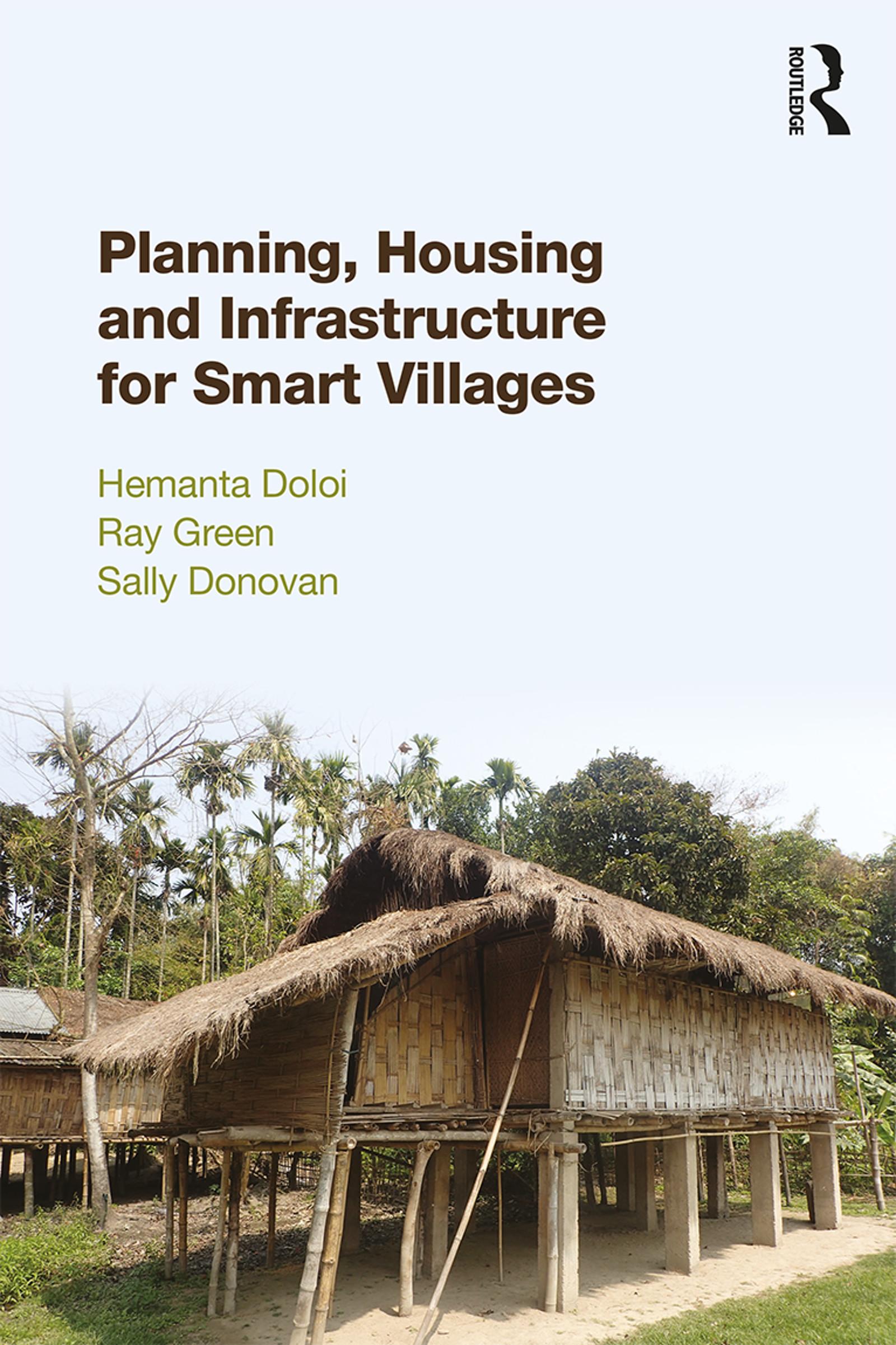
Some 7.3 billion people currently live on the planet. Of these, 3.4 billion live in rural areas. In just a few regions—Latin America, the Middle East and North Africa—less than 50 per cent of poverty is now located in rural areas. But for the rest of the world's regions between 55 per cent and 80 per cent of the poor continue to live in the countryside. Progress is being made, but much of the knowhow needed is not disseminated outside of a small coterie of professionals who work in the area. With urban development attracting a great deal of attention lately, poorer rural areas deserve the same and new knowledge for empowerment of rural communities is urgently needed.
This book provides an overview of current thinking and practices that have emerged over the last thirty years for uplifting rural communities in developing economies. Drawing on a body of knowledge across a spectrum of relevant disciplines, this book provides a range of innovative ideas for rural planning, housing and infrastructure development.
Governments in many emerging economies, where rural poverty is often most acute, have attempted to improve livelihoods. Approaches and techniques that have been used for urban development are often not applicable to rural communities. Studies show that money allocated for rural development is often not effectively spent due to distance, lack of infrastructure, lack of education, poverty and other factors. Meanwhile, the gap in development between the city and country continues to grow, sometimes leading to social and political instability, in both developing and developed countries. This book seeks to provide a guidebook for meeting such challenges.
Through in-depth enquiry of global practices and thinking about rural development, and selected case studies, the authors argue that careful consideration must be given to incorporating issues of resilience, resourcefulness and the involvement of communities at grassroots levels in realising the transformation of rural settlements into Smart Villages.
Pay easily by card, Klarna, Apple Pay or Google Pay. Not happy? You always have a 14-day money-back guarantee. Read more in our terms. If you have any questions, email us at hello@memmo.org.
Memmo makes studying easier – wherever you are in the world. We bring your course books and smart study tools together in one place: summaries, quizzes, podcasts and flashcards. Plus Ted, your study buddy who answers anything you wonder. Over 75,000 students already study here – built to help you learn faster and stress less.