
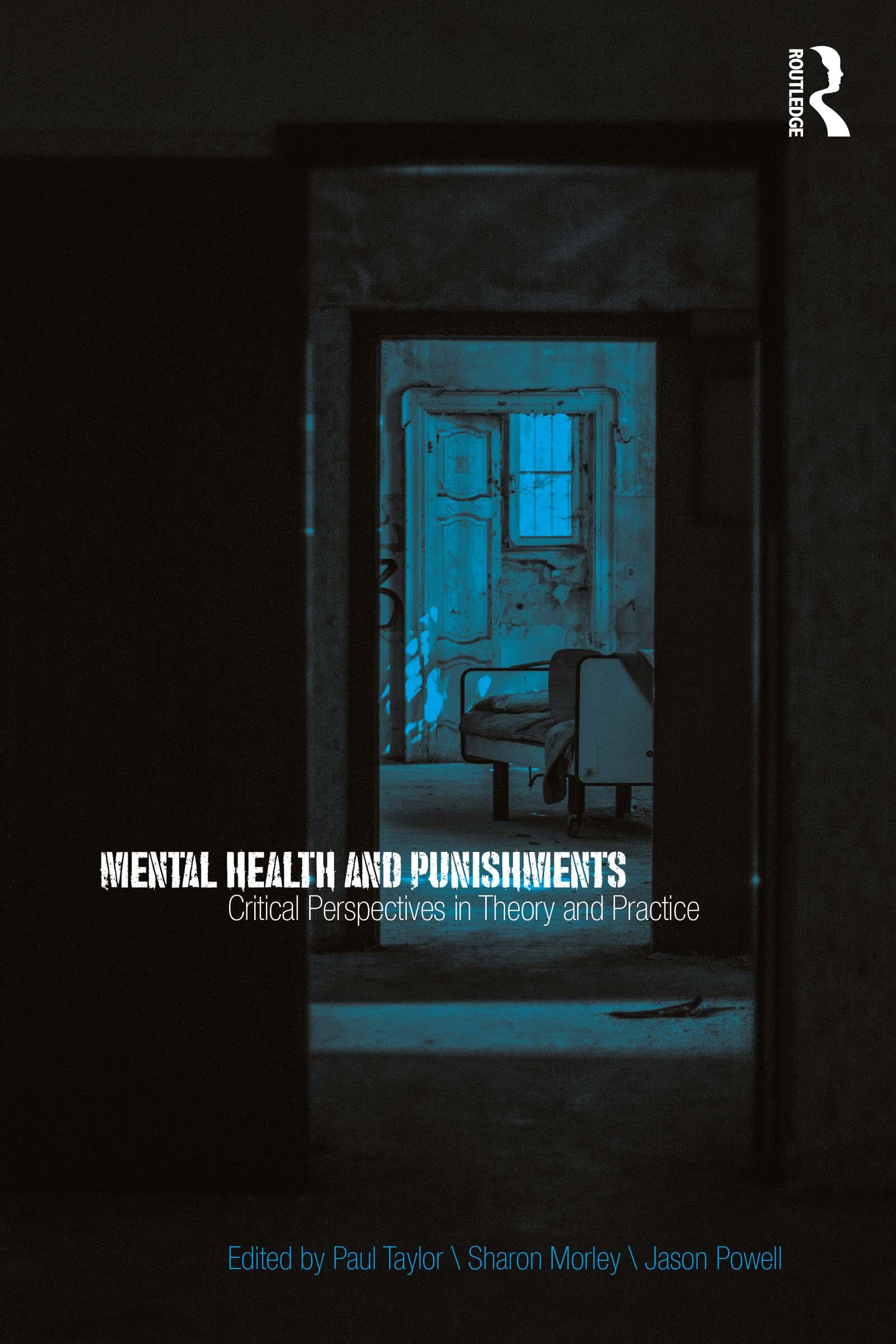
How might we best manage those who have offended but have mental vulnerabilities? How are risks identified, managed and minimised? What are ideological differences of care and control, punishment and therapy negotiated in practice? These questions are just some which are debated in the eleven chapters of this book. Each with their focus on a given area, authors raise the challenges, controversies, dilemmas and concerns attached to this particular context of delivering justice.
Taking insights on imprisonment, community punishments and forensic services, this book provides a broad analysis of environments. But it also casts a critical light on how punishment of the mentally vulnerable sits within public attitudes and ideas, policy discourses, and the ways in which those seen to present as risky and dangerous are imagined.
Written in a clear and direct style, this book serves as a valuable resource for those studying, working or researching at the intersections of healthcare and criminal justice domains. This book is essential reading for students and practitioners within the fields of criminology and criminal justice, social work, forensic psychology, forensic psychiatry, mental health nursing and probation.
Pay easily by card, Klarna, Apple Pay or Google Pay. Not happy? You always have a 14-day money-back guarantee. Read more in our terms. If you have any questions, email us at hello@memmo.org.
Memmo makes studying easier – wherever you are in the world. We bring your course books and smart study tools together in one place: summaries, quizzes, podcasts and flashcards. Plus Ted, your study buddy who answers anything you wonder. Over 50,000 students already study here – built to help you learn faster and stress less.