
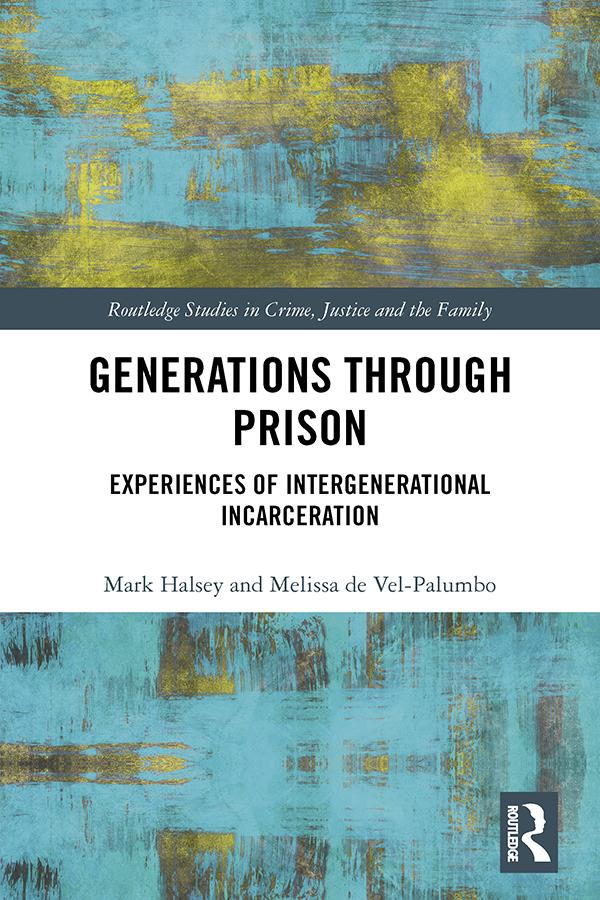
Around one in five prisoners report the previous or current incarceration of a parent. Many such prisoners attest to the long-term negative effects of parental incarceration on one’s own sense of self and on the range and quality of opportunities for building a conventional life. And yet, the problem of intergenerational incarceration has received only passing attention from academics, and virtually little if any consideration from policy makers and correctional officials.
This book – the first of its kind – offers an in-depth examination of the causes, experiences and consequences of intergenerational incarceration. It draws extensively from surveys and interviews with second-, third-, fourth- and fifth-generation prisoners to explicate the personal, familial and socio-economic contexts typically associated with incarceration across generations. The book examines 1) the emergence of the prison as a dominant if not life-defining institution for some families, 2) the link between intergenerational trauma, crime and intergenerational incarceration, 3) the role of police, courts, and corrections in amplifying or ameliorating such problems, and 4) the possible means for preventing intergenerational incarceration. This is undeniably a book that bears witness to many tragic and traumatic stories. But it is also a work premised on the idea that knowing these stories – knowing that they often resist alignment with pre-conceived ideas about who prisoners are or who they might become – is part and parcel of advancing critical debate and, more importantly, of creating real change.
Written in a clear and direct style, this book will appeal to students and scholars in criminology, sociology, cultural studies, social theory and those interested in learning about more about families in prison.
Pay easily by card, Klarna, Apple Pay or Google Pay. Not happy? You always have a 14-day money-back guarantee. Read more in our terms. If you have any questions, email us at hello@memmo.org.
Memmo makes studying easier – wherever you are in the world. We bring your course books and smart study tools together in one place: summaries, quizzes, podcasts and flashcards. Plus Ted, your study buddy who answers anything you wonder. Over 50,000 students already study here – built to help you learn faster and stress less.