
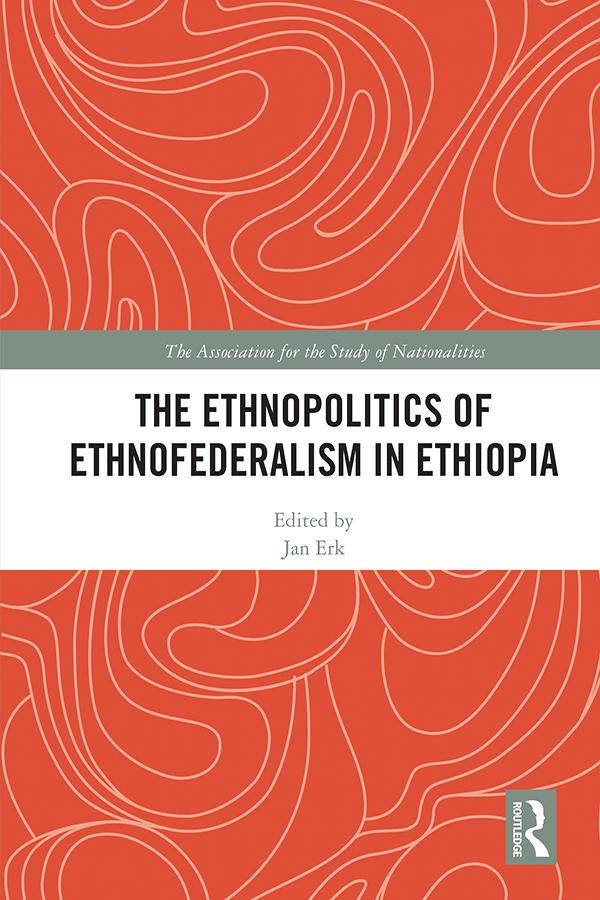
Ethiopia is the darling of development economists: since 2005, the country’s economic growth rate has consistently been over the 10% mark. Ethiopia is also a regional superpower with political influence across East Africa and the Horn. Furthermore, the African Union has its headquarters in the capital Addis Ababa, which further underscores the country’s growing international profile. On top of everything, since 1995 Ethiopia has a federal constitution explicitly committed to granting political autonomy to all ethnic groups within the country. Ethiopia’s federalism has also direct relevance to the country’s neighbours, Eritrea, Somalia, Kenya, South Sudan, and Djibouti who have ethnic kin across the borders with Ethiopia. Yet, despite the generous promises to the country’s ethnic groups stated in the constitution, not everything is well. As marked by the recent unrest throughout various regions of the country, the federal constitution’s promises and the reality do not always perfectly align. But there is a shortage of even-handed scholarly analyses of this complex country, and in particular, its unique federal system. Based on chapters focusing on different parts of the federal system, the collection takes stock of the last 20 years and distils lessons and insights for a broader international/comparative readership. The chapters originally published in Ethnopolitics and Regional & Federal Studies.
Pay easily by card, Klarna, Apple Pay or Google Pay. Not happy? You always have a 14-day money-back guarantee. Read more in our terms. If you have any questions, email us at hello@memmo.org.
Memmo makes studying easier – wherever you are in the world. We bring your course books and smart study tools together in one place: summaries, quizzes, podcasts and flashcards. Plus Ted, your study buddy who answers anything you wonder. Over 50,000 students already study here – built to help you learn faster and stress less.