
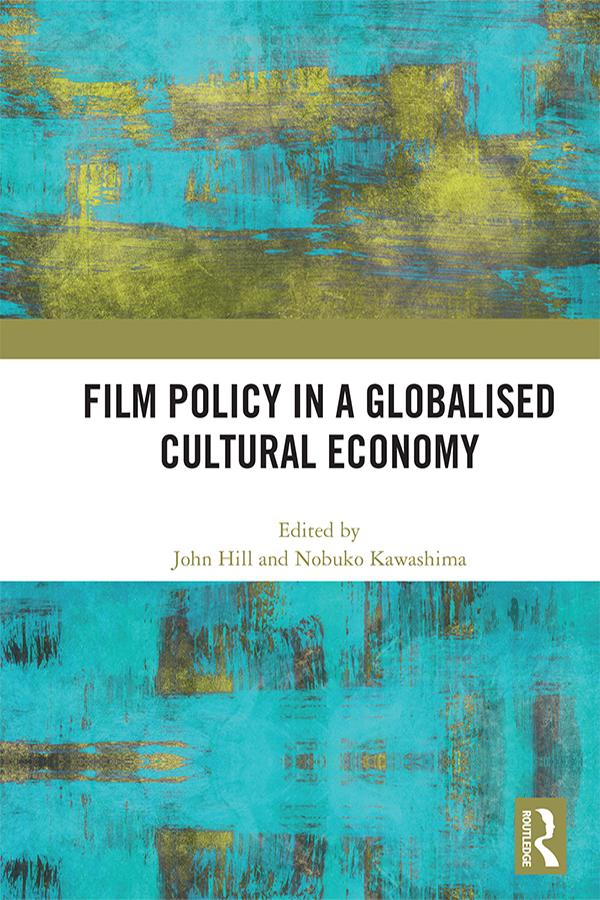
The past two decades have witnessed major changes in film industries worldwide in response to both economic globalisation and technological developments. The dominant position of Hollywood movies in the global film market has remained largely uncontested, but Hollywood itself has become increasingly international in its operations whilst ‘regional’ screen industries such as those in East Asia and in the Indian subcontinent have (re-)emerged and developed new forms of collaboration. The advent of digital technologies has also transformed the content of films and the ways in which they are made and consumed. Such changes, in turn, have posed new economic and cultural challenges for policy-makers around the world and led to a degree of rethinking of how film policy objectives are to be conceived, defined and implemented.
This collection brings together a range of international scholars from the USA, Europe and Asia to consider how film policy has responded to the various economic, technological and political shifts shaping the global film industry; and to identify the many tensions between global and local, economic and cultural, and public and private policy objectives that have been the result of these changes. This book was originally published as a special issue of the International Journal of Cultural Policy.
Pay easily by card, Klarna, Apple Pay or Google Pay. Not happy? You always have a 14-day money-back guarantee. Read more in our terms. If you have any questions, email us at hello@memmo.org.
Memmo makes studying easier – wherever you are in the world. We bring your course books and smart study tools together in one place: summaries, quizzes, podcasts and flashcards. Plus Ted, your study buddy who answers anything you wonder. Over 50,000 students already study here – built to help you learn faster and stress less.