
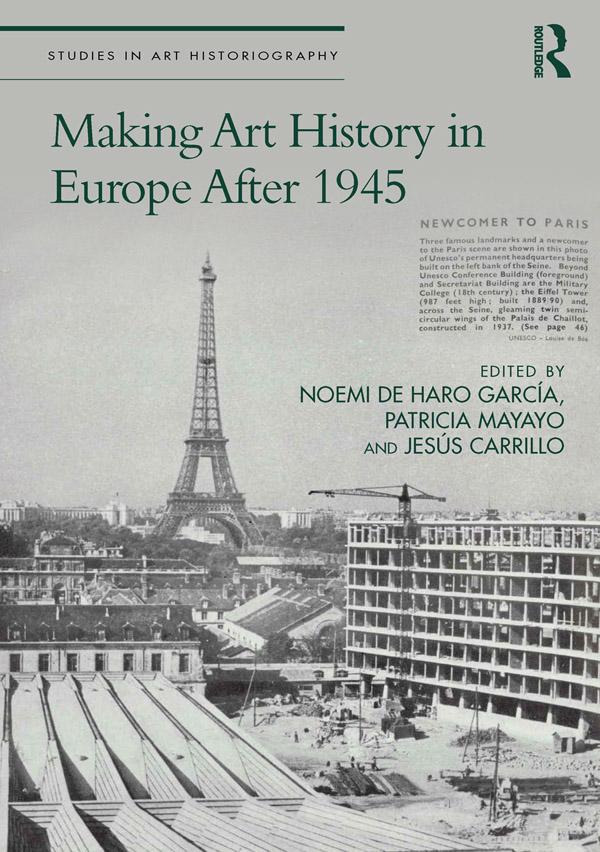
This book analyses the intermeshing of state power and art history in Europe since 1945 and up to the present from a critical, de-centered perspective.
Devoting special attention to European peripheries and to under-researched transnational cultural political initiatives related to the arts implemented after the end of the Second World War, the contributors explore the ways in which this relationship crystallised in specific moments, places, discourses and practices. They make the historic hegemonic centres of the discipline converse with Europe’s Southern and Eastern peripheries, from Portugal to Estonia to Greece.
By stressing the margins’ point of view this volume rethinks the ideological grounds on which art history and the European Union have been constructed as well as the role played by art and culture in the very concept of ‘Europe.’
Pay easily by card, Klarna, Apple Pay or Google Pay. Not happy? You always have a 14-day money-back guarantee. Read more in our terms. If you have any questions, email us at hello@memmo.org.
Memmo makes studying easier – wherever you are in the world. We bring your course books and smart study tools together in one place: summaries, quizzes, podcasts and flashcards. Plus Ted, your study buddy who answers anything you wonder. Over 50,000 students already study here – built to help you learn faster and stress less.