
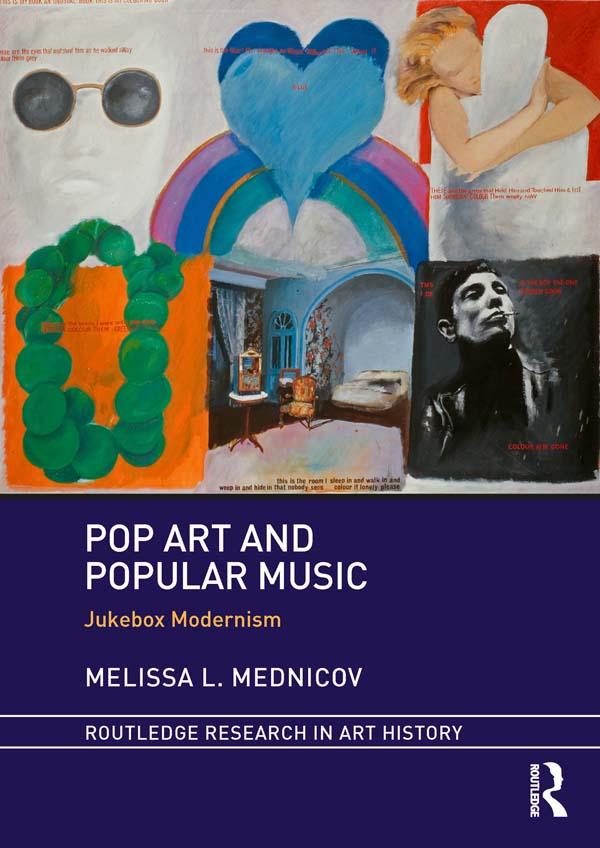
This book offers an innovative and interdisciplinary approach to Pop art scholarship through a recuperation of popular music into art historical understandings of the movement. Jukebox modernism is a procedure by which Pop artists used popular music within their works to disrupt decorous modernism during the sixties. Artists, including Peter Blake, Pauline Boty, James Rosenquist, and Andy Warhol, respond to popular music for reasons such as its emotional connectivity, issues of fandom and identity, and the pleasures and problems of looking and listening to an artwork. When we both look at and listen to Pop art, essential aspects of Pop’s history that have been neglected—its sounds, its women, its queerness, and its black subjects—come into focus.
Pay easily by card, Klarna, Apple Pay or Google Pay. Not happy? You always have a 14-day money-back guarantee. Read more in our terms. If you have any questions, email us at hello@memmo.org.
Memmo makes studying easier – wherever you are in the world. We bring your course books and smart study tools together in one place: summaries, quizzes, podcasts and flashcards. Plus Ted, your study buddy who answers anything you wonder. Over 50,000 students already study here – built to help you learn faster and stress less.