
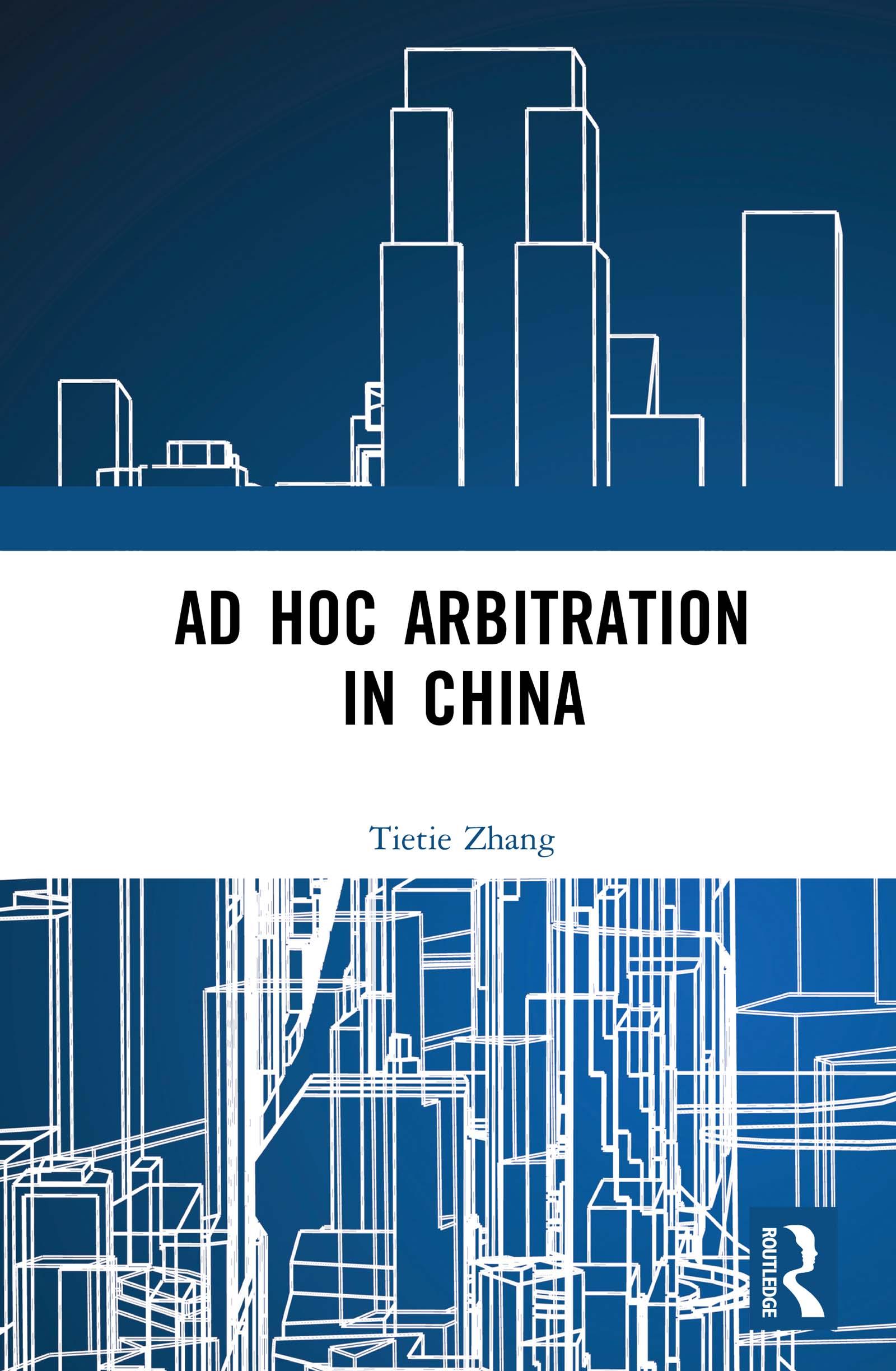
Arbitration is the dominant method in the world for resolving international commercial disputes. As compared with institutional arbitration, ad hoc arbitration has many advantages that make it a preferred way to resolve commercial disputes on many occasions. The Arbitration Law of the People’s Republic of China, however, requires that parties appoint an arbitration institution in their arbitration agreement; otherwise an ad hoc arbitration agreement is invalid. This rule seems to preclude ad hoc arbitration under Chinese law and threatens the validity of many arbitration agreements that are imperfectly drafted. Fortunately, however, this does not mean Chinese courts will never enforce an ad hoc arbitration agreement or an ad hoc arbitration award. This book informs parties and practitioners of potential pitfalls related to ad hoc arbitration in China and offers practical guidance. It also conducts a comparative study of the history of arbitration in the Western world and in China, to identify the reasons for this hostility to ad hoc arbitration and calls for changes to this requirement under Chinese law.
Pay easily by card, Klarna, Apple Pay or Google Pay. Not happy? You always have a 14-day money-back guarantee. Read more in our terms. If you have any questions, email us at hello@memmo.org.
Memmo makes studying easier – wherever you are in the world. We bring your course books and smart study tools together in one place: summaries, quizzes, podcasts and flashcards. Plus Ted, your study buddy who answers anything you wonder. Over 50,000 students already study here – built to help you learn faster and stress less.