
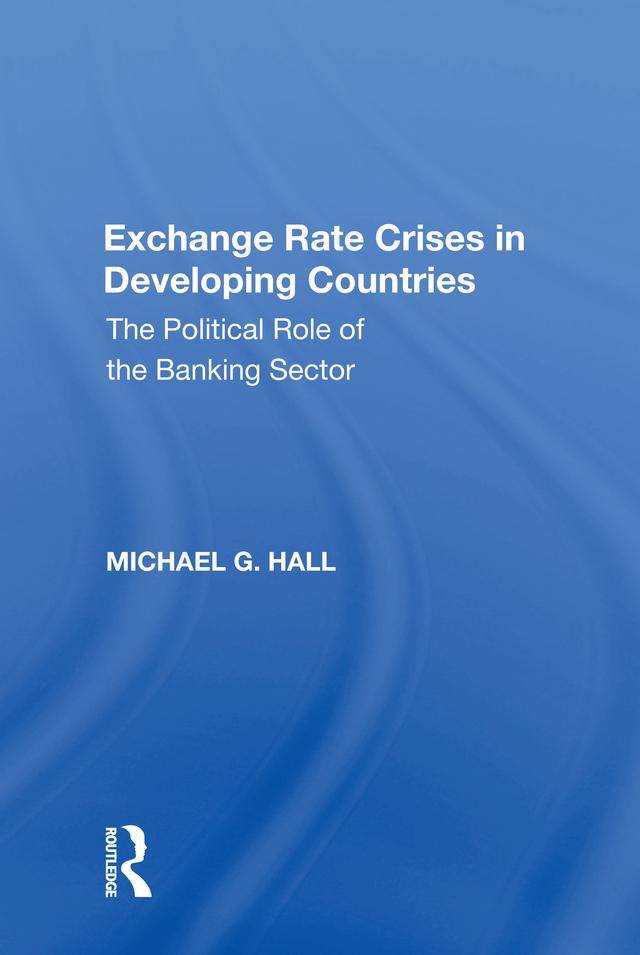
According to many economists, the increasing mobility of capital across borders has made it more costly to peg exchange rates. This phenomenon has contributed to some of the more famous examples of exchange rate crises in recent times, such as the Mexican peso crisis in 1994 and the Asian financial crisis in 1997. Yet despite the increasing costs of pegging in today's accelerated financial markets, some developing countries try to maintain a peg for as long as they can. This work is the first to theorize the role of bankers as a domestic interest group involved in exchange rate policy. It adds to our understanding of how interest groups affect economic policy in developing countries and explains why some of the largest and fastest growing economies in the developing world were the most prone to crisis. The volume also refines our understanding of the 'hollowing-out thesis', the argument that increasing capital mobility is forcing states to abandon pegging.
Pay easily by card, Klarna, Apple Pay or Google Pay. Not happy? You always have a 14-day money-back guarantee. Read more in our terms. If you have any questions, email us at hello@memmo.org.
Memmo makes studying easier – wherever you are in the world. We bring your course books and smart study tools together in one place: summaries, quizzes, podcasts and flashcards. Plus Ted, your study buddy who answers anything you wonder. Over 50,000 students already study here – built to help you learn faster and stress less.
You might also like
Buy the book0