
The digital revolution over the past several decades has advanced every facet of evidence detection, photography, optimization, and interpretation. Forensic scientists and practitioners have benefited tremendously from the move from film to digital. With proper procedures in place, digital images and casework capabilities have increased tremendously in both complexity and range due to a vast array of tools to enhance evidence and photography.
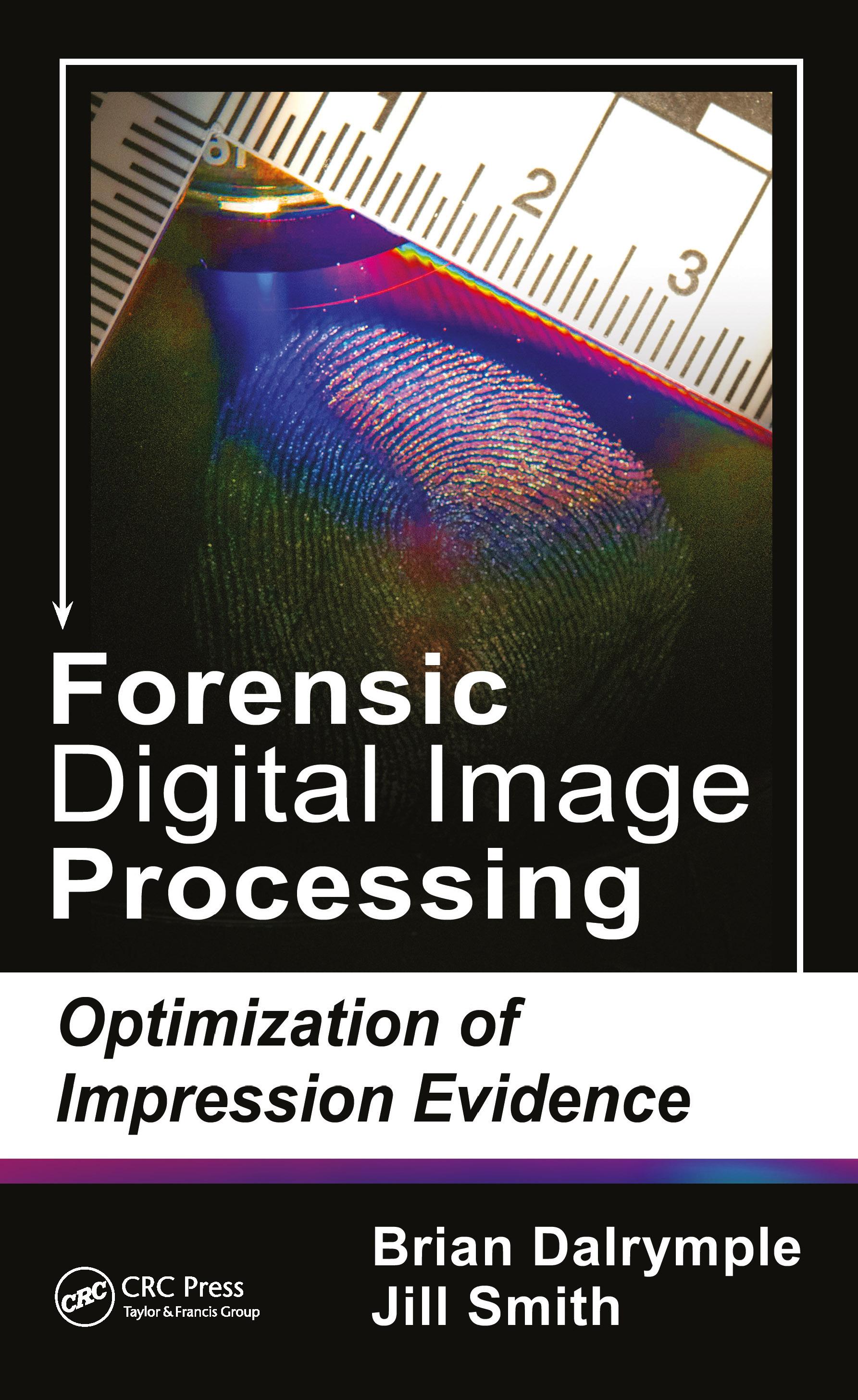
Forensic Digital Image Processing: Optimization of Impression Evidence provides the forensic investigator with the tools and understanding to extract, optimize, and interpret the maximum evidence possible from crime scenes to increase identifications. The book begins by examining the emergence of forensic digital image processing, and the gradual improvement and acceptance of the science over the past four decades. Coverage includes looking at the issues of image integrity and authentication including forensic image optimization and the manipulation of images. Chapters explore techniques exploiting color theory, modes, and channels to optimize signal-to-noise ratio in images.
One of the greatest assets of digital image technology is the ability to combine multiple images of the same subject to create a final, blended image: one that displays the desired evidence and is especially useful for fingerprint or footwear impression. Later chapters demonstrate image subtraction, focus stacking, and high dynamic range, utilizing images in optimum focus and with substrate interference diminished or removed entirely. The authors look at fast Fourier transform as an optimal tool for noise removal, addressing basic theory and diagnosis of the noise signatures. The book discusses the history of digital imaging techniques and their treatment within the court system.
Forensic Digital Image Processing: Optimization of Impression Evidence serves as an invaluable resource and tool for practicing professionals–as well as those new to the field—to look at best practices, the latest technology, and advances in utilizing the increasing array of tools of the trade.
Pay easily by card, Klarna, Apple Pay or Google Pay. Not happy? You always have a 14-day money-back guarantee. Read more in our terms. If you have any questions, email us at hello@memmo.org.
Memmo makes studying easier – wherever you are in the world. We bring your course books and smart study tools together in one place: summaries, quizzes, podcasts and flashcards. Plus Ted, your study buddy who answers anything you wonder. Over 50,000 students already study here – built to help you learn faster and stress less.