
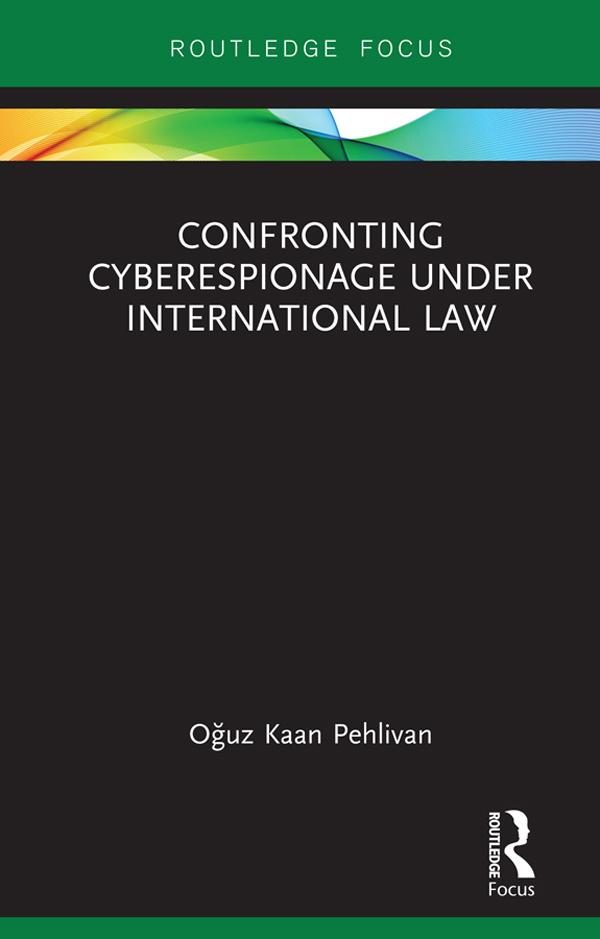
We have witnessed a digital revolution that affects the dynamics of existing traditional social, economic, political and legal systems. This revolution has transformed espionage and its features, such as its purpose and targets, methods and means, and actors and incidents, which paves the way for the emergence of the term cyberespionage. This book seeks to address domestic and international legal tools appropriate to adopt in cases of cyberespionage incidents. Cyberespionage operations of state or non-state actors are a kind of cyber attack, which violates certain principles of international law but also constitute wrongful acquisition and misappropriation of the data. Therefore, from the use of force to state responsibility, international law offers a wide array of solutions; likewise, domestic regulations through either specialized laws or general principles stipulate civil and criminal remedies against cyberespionage.
Confronting Cyberespionage Under International Law examines how espionage and its applications have transformed since World War II and how domestic and international legal mechanisms can provide effective legal solutions to this change, hindering the economic development and well-being of individuals, companies and states to the detriment of others. It shows the latest state of knowledge on the topic and will be of interest to researchers, academics, legal practitioners, legal advisors and students in the fields of international law, information technology law and intellectual property law.
Pay easily by card, Klarna, Apple Pay or Google Pay. Not happy? You always have a 14-day money-back guarantee. Read more in our terms. If you have any questions, email us at hello@memmo.org.
Memmo makes studying easier – wherever you are in the world. We bring your course books and smart study tools together in one place: summaries, quizzes, podcasts and flashcards. Plus Ted, your study buddy who answers anything you wonder. Over 50,000 students already study here – built to help you learn faster and stress less.