
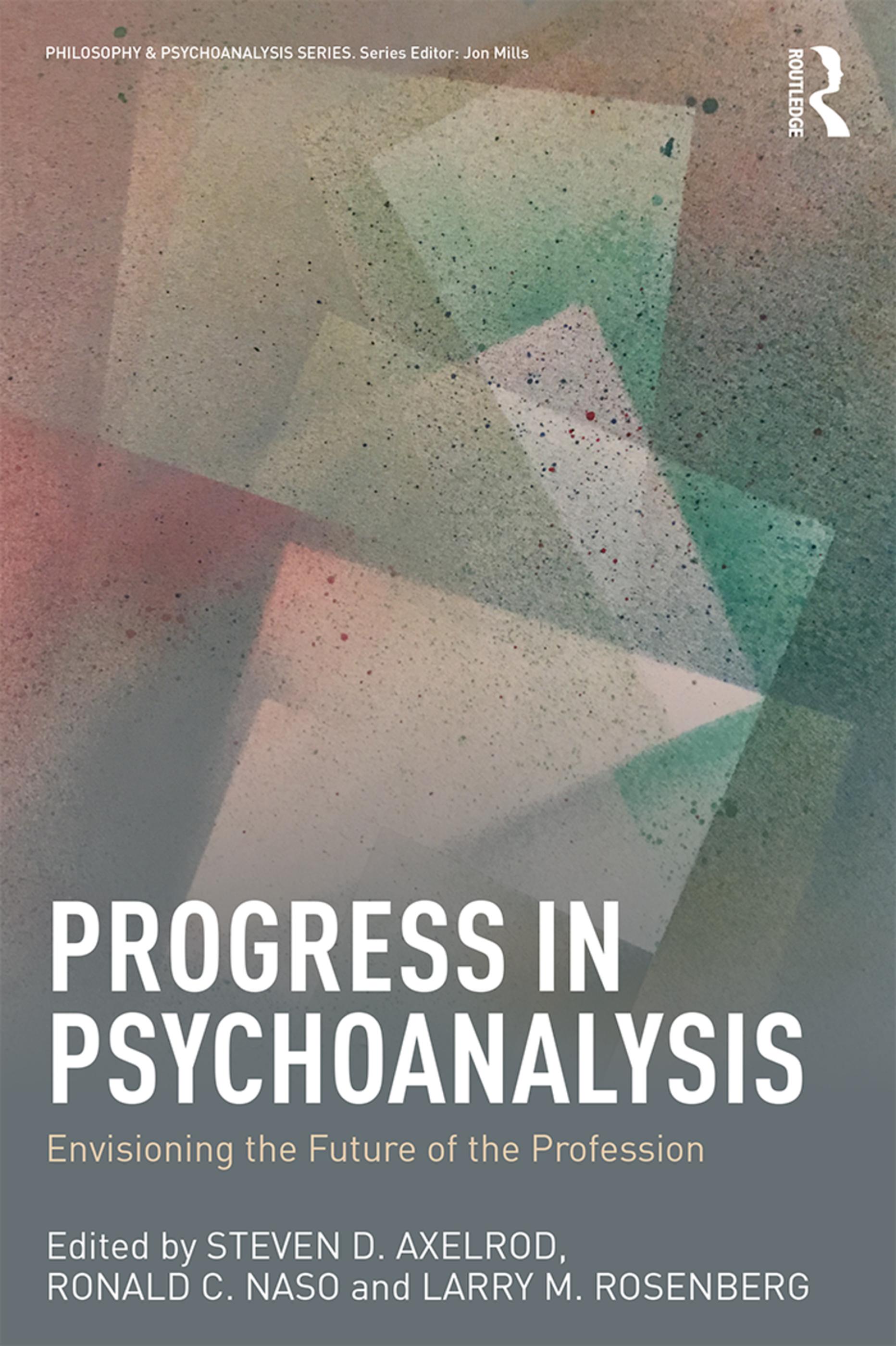
Is psychoanalysis in decline? Has its understanding of the human condition been marginalized? Have its clinical methods been eclipsed by more short-term, problem-oriented approaches? Is psychoanalysis unable (or unwilling) to address key contemporary issues and concerns?
With contributors internationally recognized for their scholarship, Progress in Psychoanalysis: Envisioning the Future of the Profession offers both an analysis of how the culture of psychoanalysis has contributed to the profession’s current dilemmas and a description of the progressive trends taking form within the contemporary scene. Through a broad and rigorous examination of the psychoanalytic landscape, this book highlights the profession’s very real progress and describes a vision for its increased relevance. It shows how psychoanalysis can offer unparalleled value to the public.
Economic, political, and cultural factors have contributed to the marginalization of psychoanalysis over the past 30 years. But the profession’s internal rigidity, divisiveness, and strong adherence to tradition have left it unable to adapt to change and to innovate in the ways needed to remain relevant. The contributors to this book are prominent practitioners, theoreticians, researchers, and educators who offer cogent analysis of the culture of psychoanalysis and show how the profession’s foundation can be strengthened by building on the three pillars of openness, integration, and accountability.
This book is designed to help readers develop a clearer vision of a vital, engaged, contemporary psychoanalysis. The varied contributions to Progress in Psychoanalysis exemplify how the profession can change to better promote and build on the very real progress that is occurring in theory, research, training, and the many applications of psychoanalysis. They offer a roadmap for how the profession can begin to reclaim its leadership in wide-ranging efforts to explore the dynamics of mental life. Readers will come away with more confidence in psychoanalysis as an innovative enterprise and more excitement about how they can contribute to its growth.
Pay easily by card, Klarna, Apple Pay or Google Pay. Not happy? You always have a 14-day money-back guarantee. Read more in our terms. If you have any questions, email us at hello@memmo.org.
Memmo makes studying easier – wherever you are in the world. We bring your course books and smart study tools together in one place: summaries, quizzes, podcasts and flashcards. Plus Ted, your study buddy who answers anything you wonder. Over 50,000 students already study here – built to help you learn faster and stress less.