
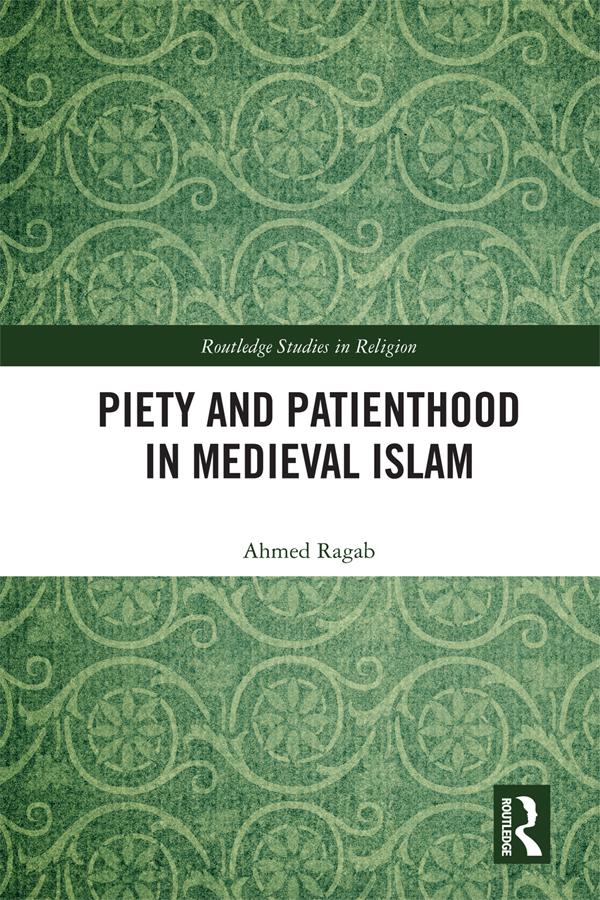
How did pious medieval Muslims experience health and disease? Rooted in the prophet’s experiences with medicine and healing, Muslim pietistic literature developed cosmologies in which physical suffering and medical interventions interacted with religious obligations and spiritual health. This book traces the development of prophetic medical literature and religious writings around health and disease to give a new perspective on how patienthood was conditioned by the intersection of medicine and Islam.
The author investigates the early and foundational writings on prophetic medicine and related pietistic writings on health and disease produced during the Islamic Classical Age. Looking at attitudes from and towards clerics, physicians and patients, sickness and health are gradually revealed as a social, gendered, religious, and cultural experience. Patients are shown to experience certain sensoria that are conditioned not only by medical knowledge, but also by religious and pietistic attitudes.
This is a fascinating insight into the development of Muslim pieties and the traditions of medical practice. It will be of great interest to scholars interested in Islamic Studies, history of religion, history of medicine, science and religion and the history of embodied religious practice, particularly in matters of health and medicine.
Pay easily by card, Klarna, Apple Pay or Google Pay. Not happy? You always have a 14-day money-back guarantee. Read more in our terms. If you have any questions, email us at hello@memmo.org.
Memmo makes studying easier – wherever you are in the world. We bring your course books and smart study tools together in one place: summaries, quizzes, podcasts and flashcards. Plus Ted, your study buddy who answers anything you wonder. Over 50,000 students already study here – built to help you learn faster and stress less.