
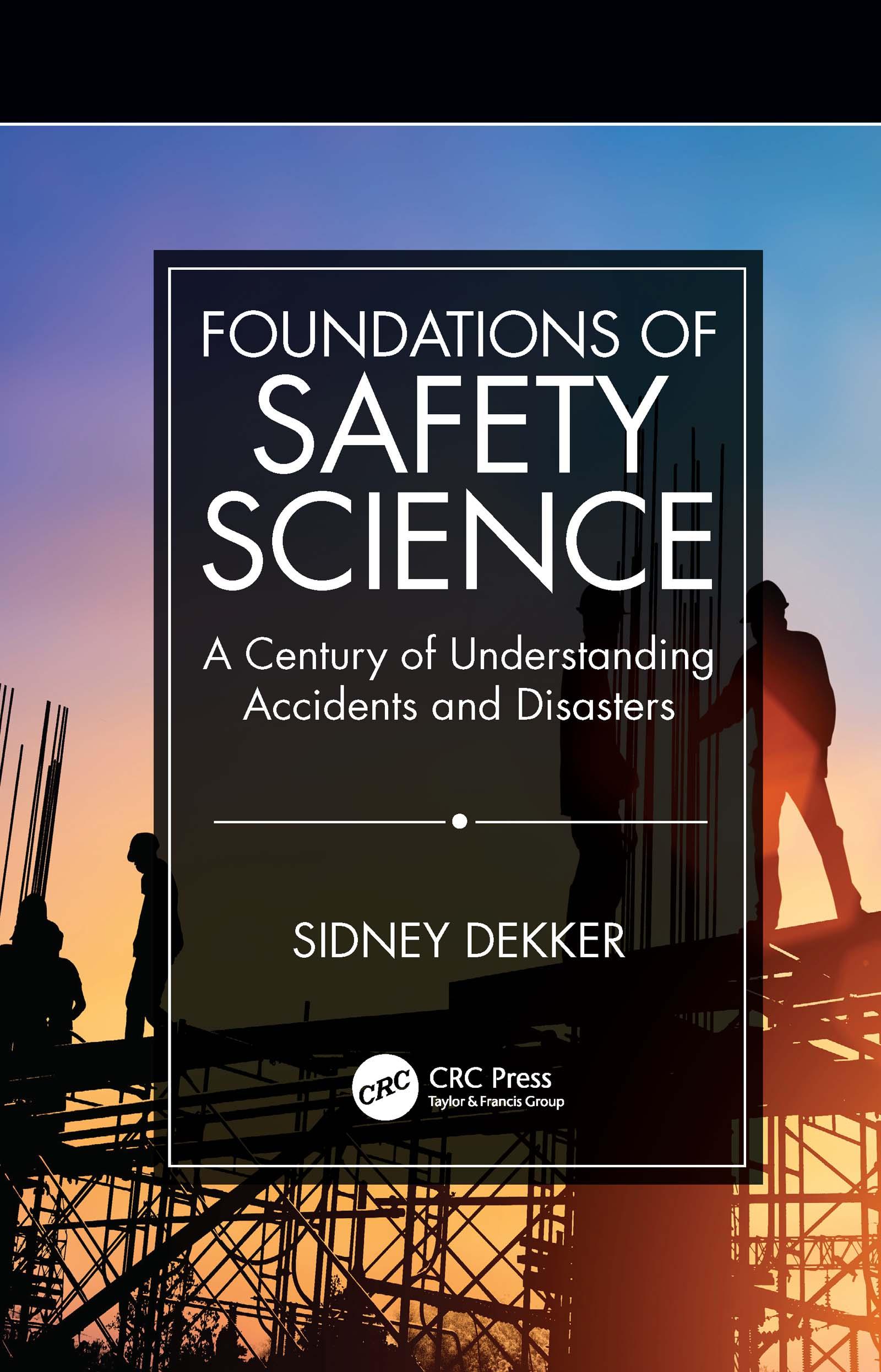
How are today’s ‘hearts and minds’ programs linked to a late-19th century definition of human factors as people’s moral and mental deficits? What do Heinrich’s ‘unsafe acts’ from the 1930’s have in common with the Swiss cheese model of the early 1990’s? Why was the reinvention of human factors in the 1940’s such an important event in the development of safety thinking? What makes many of our current systems so complex and impervious to Tayloristic safety interventions? ‘Foundations of Safety Science’ covers the origins of major schools of safety thinking, and traces the heritage and interlinkages of the ideas that make up safety science today.
Features
- Offers a comprehensive overview of the theoretical foundations of safety science
- Provides balanced treatment of approaches since the early 20th century, showing interlinkages and cross-connections
- Includes an overview and key points at the beginning of each chapter and study questions at the end to support teaching use
- Uses an accessible style, using technical language where necessary
- Concentrates on the philosophical and historical traditions and assumptions that underlie all safety approaches
Pay easily by card, Klarna, Apple Pay or Google Pay. Not happy? You always have a 14-day money-back guarantee. Read more in our terms. If you have any questions, email us at hello@memmo.org.
Memmo makes studying easier – wherever you are in the world. We bring your course books and smart study tools together in one place: summaries, quizzes, podcasts and flashcards. Plus Ted, your study buddy who answers anything you wonder. Over 50,000 students already study here – built to help you learn faster and stress less.