
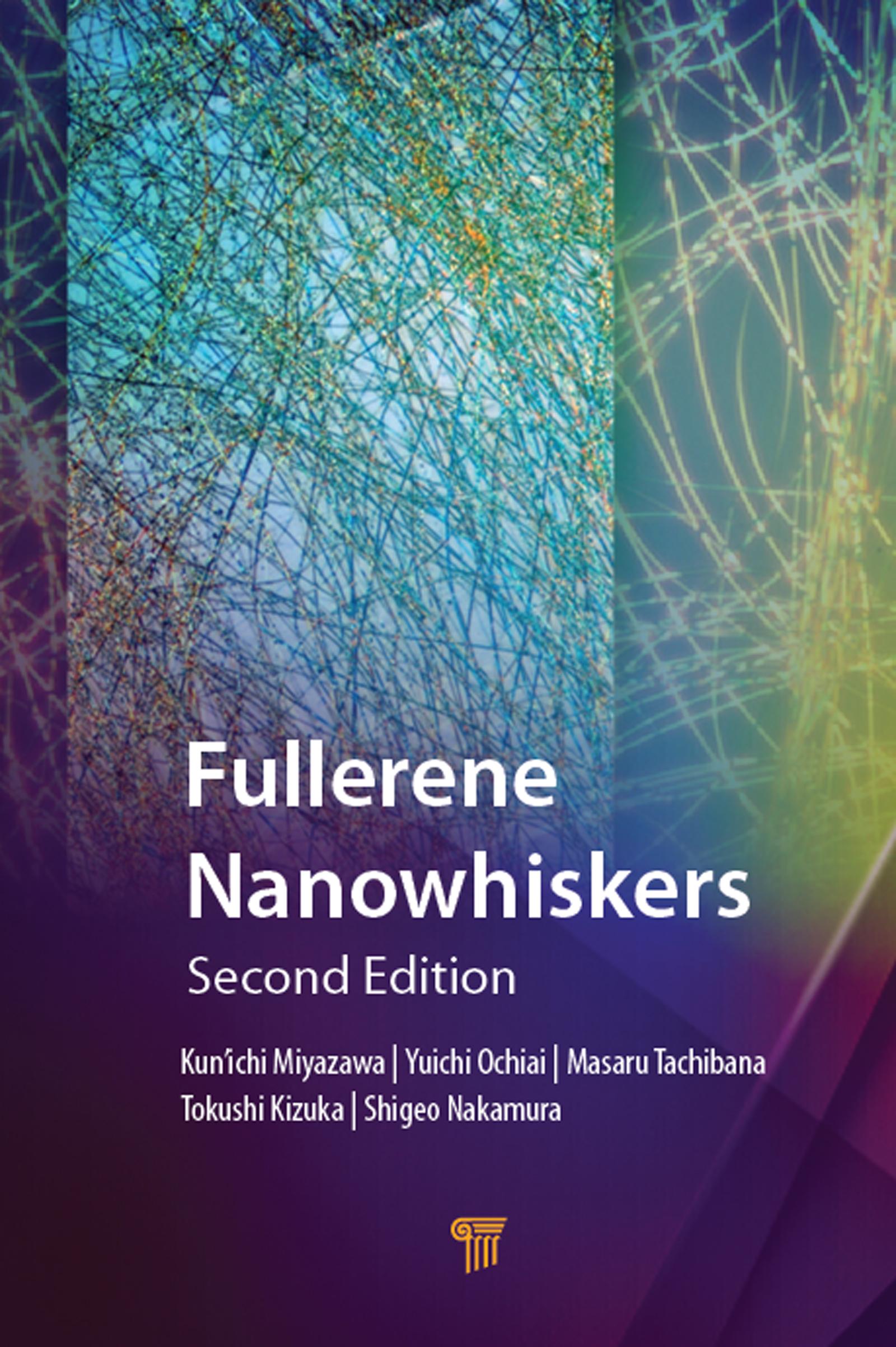
Fullerenes became a new member of carbon allotropes in addition to diamond and graphite after the discovery of C60 (carbon 60) by Kroto et al. in 1985. The model of C60 was first proposed by Osawa in 1970. C60 is a hollow spherical molecule composed of 60 carbon atoms that contains 12 five-membered rings and 20 six-membered rings and has the same structure as a soccer ball. In 2001, C60 fullerene nanowhiskers (FNWs), which are single-crystal nanowhiskers solely composed of C60 molecules, were discovered in a colloidal solution of lead zirconate titanate (PZT) with added C60. This book focuses on the synthesis of FNWs, fullerene nanotubes, and fullerene nanosheets and describes the structural, mechanical, semiconducting, and thermal properties, as well as bio-related and solar applications of FNWs and related fullerene nanomaterials.
Pay easily by card, Klarna, Apple Pay or Google Pay. Not happy? You always have a 14-day money-back guarantee. Read more in our terms. If you have any questions, email us at hello@memmo.org.
Memmo makes studying easier – wherever you are in the world. We bring your course books and smart study tools together in one place: summaries, quizzes, podcasts and flashcards. Plus Ted, your study buddy who answers anything you wonder. Over 75,000 students already study here – built to help you learn faster and stress less.