
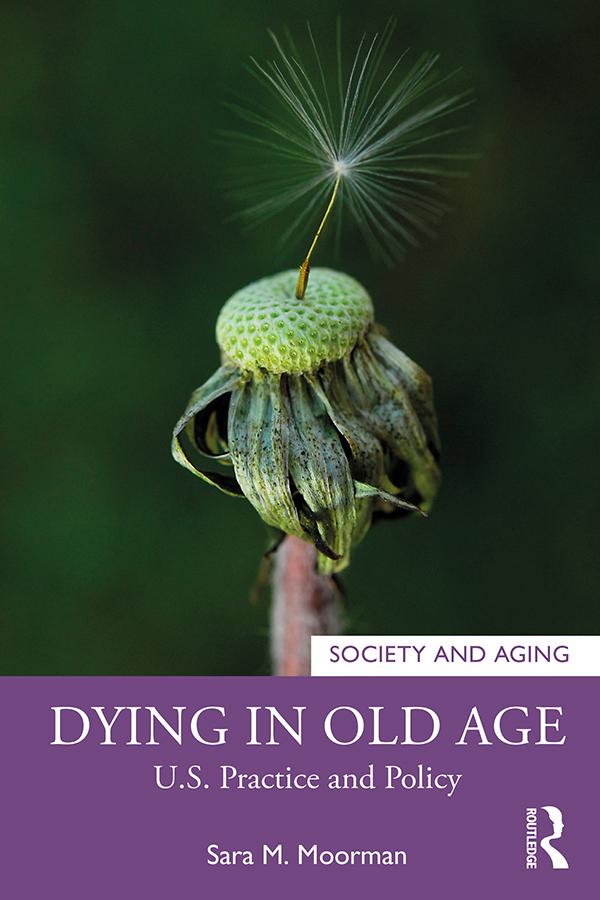
Three-quarters of deaths in the U.S. today occur to people over the age of 65, following chronic illness. This new experience of "predictable death" has important consequences for the ways in which societies structure their health care systems, laws, and labor markets. Dying in Old Age: U.S. Practice and Policy applies a sociological lens to the end of life, exploring how macrosocial systems and social inequalities interact to affect individual experiences of death in the United States.
Using data from the National Health and Aging Trends Study and Pew Research Center Survey of Aging and Longevity, this book argues that predictable death influences the entire life course and works to generate greater social disparities. The volume is divided into sections exploring demography, the circumstances of dying people, and public policy affecting dying people and their families. In exploring these interconnected factors, the author also proposes means of making "bad death" an avoidable event.
As one of the first books to explore the social consequences of end of life practice, Dying in Old Age will be of great interest to graduate and advanced undergraduate students in sociology, social work, and public health, as well as scholars and policymakers in these areas.
Pay easily by card, Klarna, Apple Pay or Google Pay. Not happy? You always have a 14-day money-back guarantee. Read more in our terms. If you have any questions, email us at hello@memmo.org.
Memmo makes studying easier – wherever you are in the world. We bring your course books and smart study tools together in one place: summaries, quizzes, podcasts and flashcards. Plus Ted, your study buddy who answers anything you wonder. Over 50,000 students already study here – built to help you learn faster and stress less.