
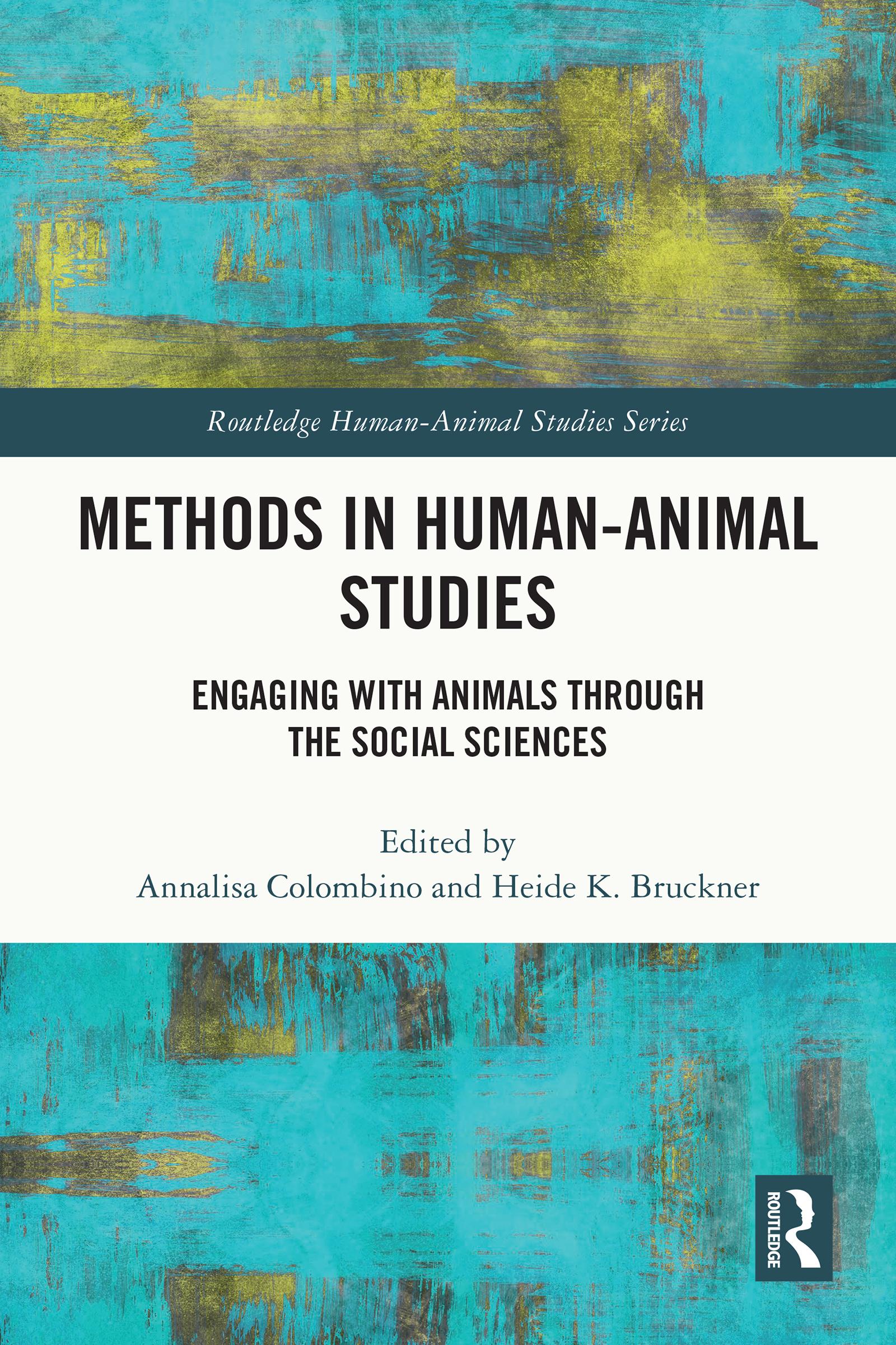
This timely book provides a methodological guide for how to conduct and theorise research in human-animal studies. In response to critiques of the anthropomorphic slant to human-animal research and the increasing political relevance of animals in contemporary environmental debates, this book emphasises methods which bring to light the animal side of multispecies encounters.
Drawing from the interdisciplinary strength of human-animal studies, this book contains contributions from practitioners and scholars working in sociology, anthropology, ethology and geography. Each chapter uses a case-study approach to present a theoretical framework and empirical application of cutting-edge methods in human-animal studies, from creative writing in multispecies ethnographies to visual methods like videography and body mapping. Organized in three parts – theorizing; collaborating; visualizing – the book equips readers with methodological tools to conduct human-animal studies research attentive to animal lives. Furthermore, chapters reflect on the opportunities, limitations and ethical considerations of research that seeks to understand our more-than-human worlds.
The book is aimed towards undergraduate and graduate students in human-animal studies and scholars investigating human-animal relations. It will also be of interest to practitioners and policy-makers who engage with conservation, wildlife management or the human-animal interface of urban and regional planning.
Pay easily by card, Klarna, Apple Pay or Google Pay. Not happy? You always have a 14-day money-back guarantee. Read more in our terms. If you have any questions, email us at hello@memmo.org.
Memmo makes studying easier – wherever you are in the world. We bring your course books and smart study tools together in one place: summaries, quizzes, podcasts and flashcards. Plus Ted, your study buddy who answers anything you wonder. Over 50,000 students already study here – built to help you learn faster and stress less.