
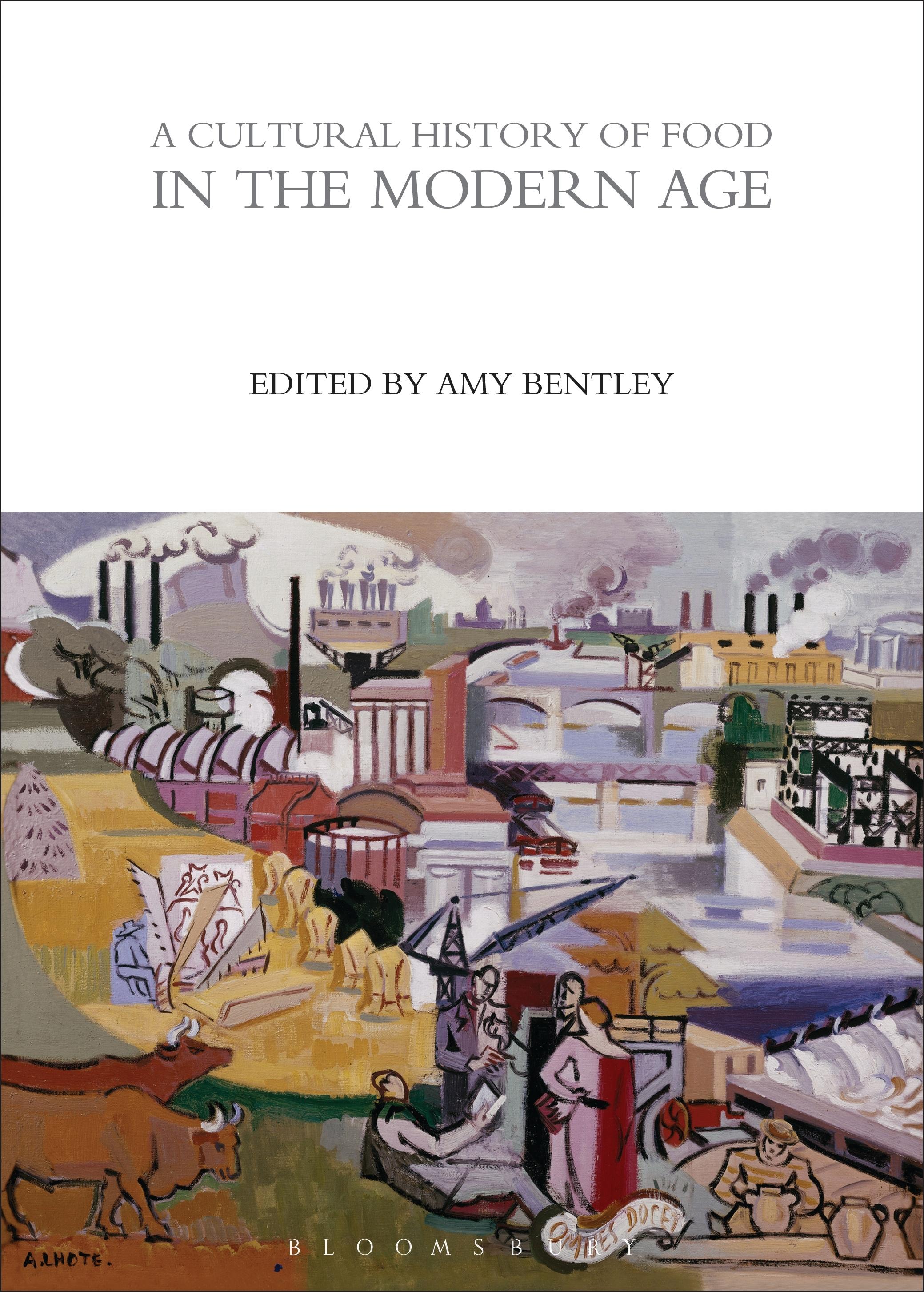
In the modern age (1920–2000), vast technological innovation spurred greater concentration, standardization, and globalization of the food supply. As advances in agricultural production in the post-World War II era propelled population growth, a significant portion of the population gained access to cheap, industrially produced food while significant numbers remained mired in hunger and malnutrition. Further, as globalization allowed unprecedented access to foods from all parts of the globe, it also hastened environmental degradation, contributed to poor health, and remained a key element in global politics, economics and culture.
A Cultural History of Food in the Modern Age presents an overview of the period with essays on food production, food systems, food security, safety and crises, food and politics, eating out, professional cooking, kitchens and service work, family and domesticity, body and soul, representations of food, and developments in food production and consumption globally.
A Cultural History of Food in the Modern Age presents an overview of the period with essays on food production, food systems, food security, safety and crises, food and politics, eating out, professional cooking, kitchens and service work, family and domesticity, body and soul, representations of food, and developments in food production and consumption globally.
Pay easily by card, Klarna, Apple Pay or Google Pay. Not happy? You always have a 14-day money-back guarantee. Read more in our terms. If you have any questions, email us at hello@memmo.org.
Memmo makes studying easier – wherever you are in the world. We bring your course books and smart study tools together in one place: summaries, quizzes, podcasts and flashcards. Plus Ted, your study buddy who answers anything you wonder. Over 50,000 students already study here – built to help you learn faster and stress less.