
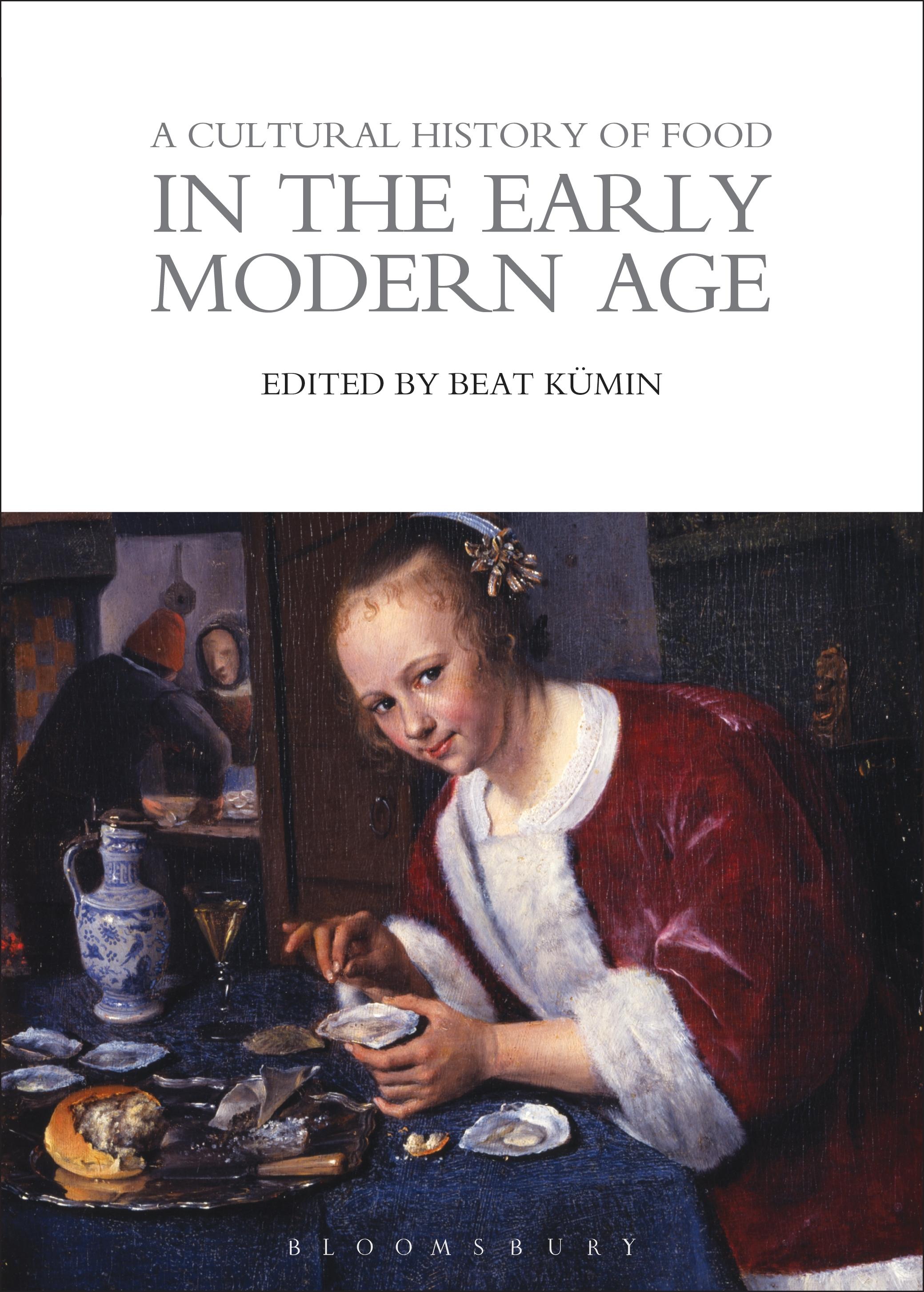
The seventeenth and eighteenth centuries form a very distinctive period in European food history. This was a time when enduring feudal constraints in some areas contrasted with widening geographical horizons and the emergence of a consumer society.While cereal based diets and small scale trade continued to be the mainstay of the general population, elite tastes shifted from Renaissance opulence toward the greater simplicity and elegance of dining à la française. At the same time, growing spatial mobility and urbanization boosted the demand for professional cooking and commercial catering. An unprecedented wealth of artistic, literary and medical discourses on food and drink allows fascinating insights into contemporary responses to these transformations.
A Cultural History of Food in the Early Modern Age presents an overview of the period with essays on food production, food systems, food security, safety and crises, food and politics, eating out, professional cooking, kitchens and service work, family and domesticity, body and soul, representations of food, and developments in food production and consumption globally.
A Cultural History of Food in the Early Modern Age presents an overview of the period with essays on food production, food systems, food security, safety and crises, food and politics, eating out, professional cooking, kitchens and service work, family and domesticity, body and soul, representations of food, and developments in food production and consumption globally.
Pay easily by card, Klarna, Apple Pay or Google Pay. Not happy? You always have a 14-day money-back guarantee. Read more in our terms. If you have any questions, email us at hello@memmo.org.
Memmo makes studying easier – wherever you are in the world. We bring your course books and smart study tools together in one place: summaries, quizzes, podcasts and flashcards. Plus Ted, your study buddy who answers anything you wonder. Over 50,000 students already study here – built to help you learn faster and stress less.