
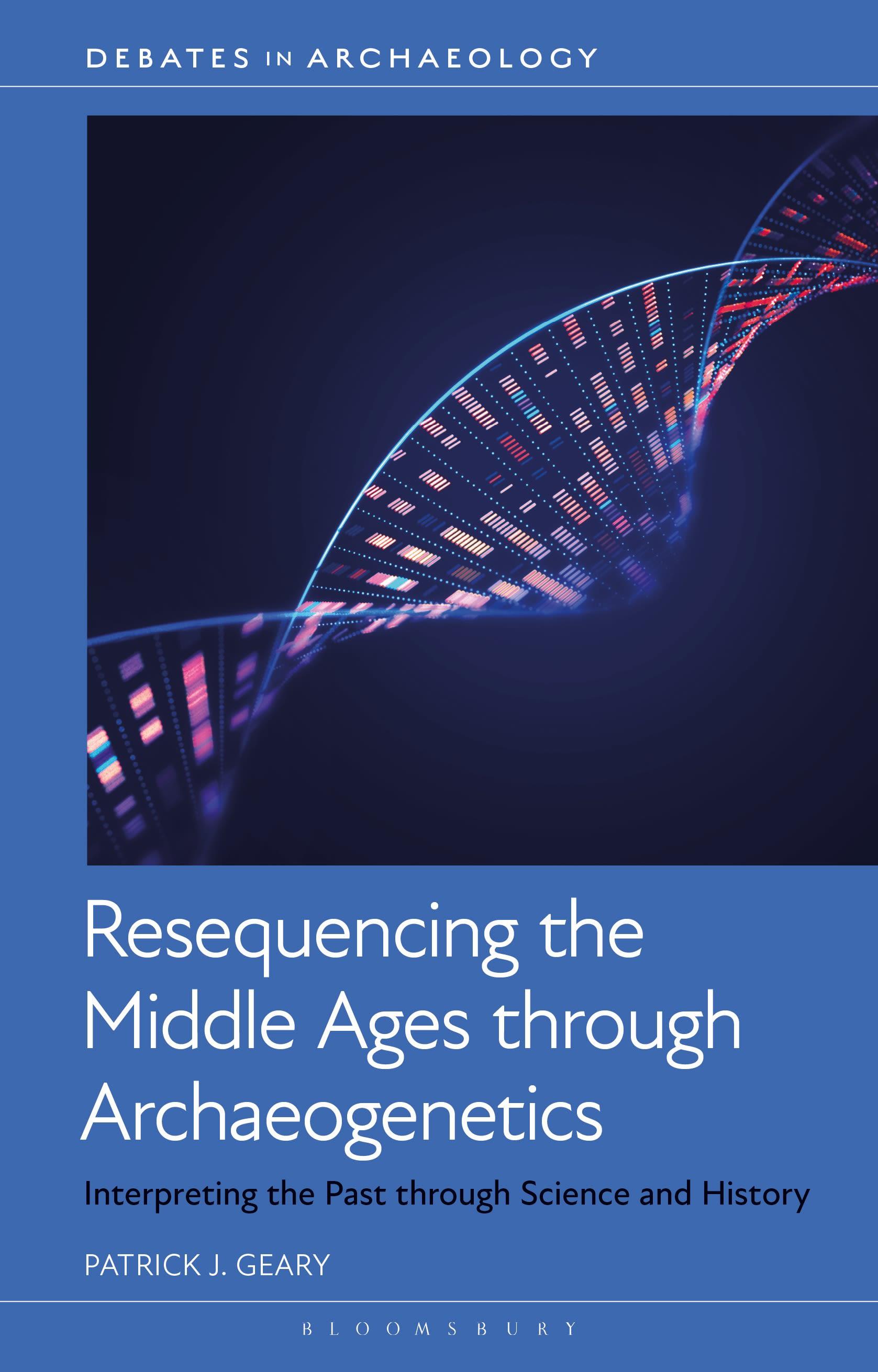
Offering a clear and accessible introduction to the fast-growing field of archaeogenetics, this book pays particular attention to the methods and approaches that are reshaping how archaeologists and historians think about the past.
Written for readers with no prior background in genetics, it explains in straightforward terms how genomic research can shed light on mobility, population change, social organization and cultural practices. At the same time, it begins with a critical reflection on the troubling history of attempts to fuse biology and history, showing how earlier racialized approaches distorted the past and warning against their resurgence today. By foregrounding both the current approaches and challenges of archaeogenetics, this book helps readers approach the field with a critical and informed perspective.
The book's central case study is the Carpathian Basin between 400 and 900 CE, which was a region at the crossroads of the transformation of the Roman world. Drawing on the most up-to-date research, this book demonstrates how integrating genomic, archaeological and historical data can illuminate the complex social and cultural changes of Late Antiquity and the early Middle Ages. The result is a concise yet compelling narrative of how cutting-edge science is reshaping medieval studies.
Written for readers with no prior background in genetics, it explains in straightforward terms how genomic research can shed light on mobility, population change, social organization and cultural practices. At the same time, it begins with a critical reflection on the troubling history of attempts to fuse biology and history, showing how earlier racialized approaches distorted the past and warning against their resurgence today. By foregrounding both the current approaches and challenges of archaeogenetics, this book helps readers approach the field with a critical and informed perspective.
The book's central case study is the Carpathian Basin between 400 and 900 CE, which was a region at the crossroads of the transformation of the Roman world. Drawing on the most up-to-date research, this book demonstrates how integrating genomic, archaeological and historical data can illuminate the complex social and cultural changes of Late Antiquity and the early Middle Ages. The result is a concise yet compelling narrative of how cutting-edge science is reshaping medieval studies.
Pay easily by card, Klarna, Apple Pay or Google Pay. Not happy? You always have a 14-day money-back guarantee. Read more in our terms. If you have any questions, email us at hello@memmo.org.
Memmo makes studying easier – wherever you are in the world. We bring your course books and smart study tools together in one place: summaries, quizzes, podcasts and flashcards. Plus Ted, your study buddy who answers anything you wonder. Over 75,000 students already study here – built to help you learn faster and stress less.