
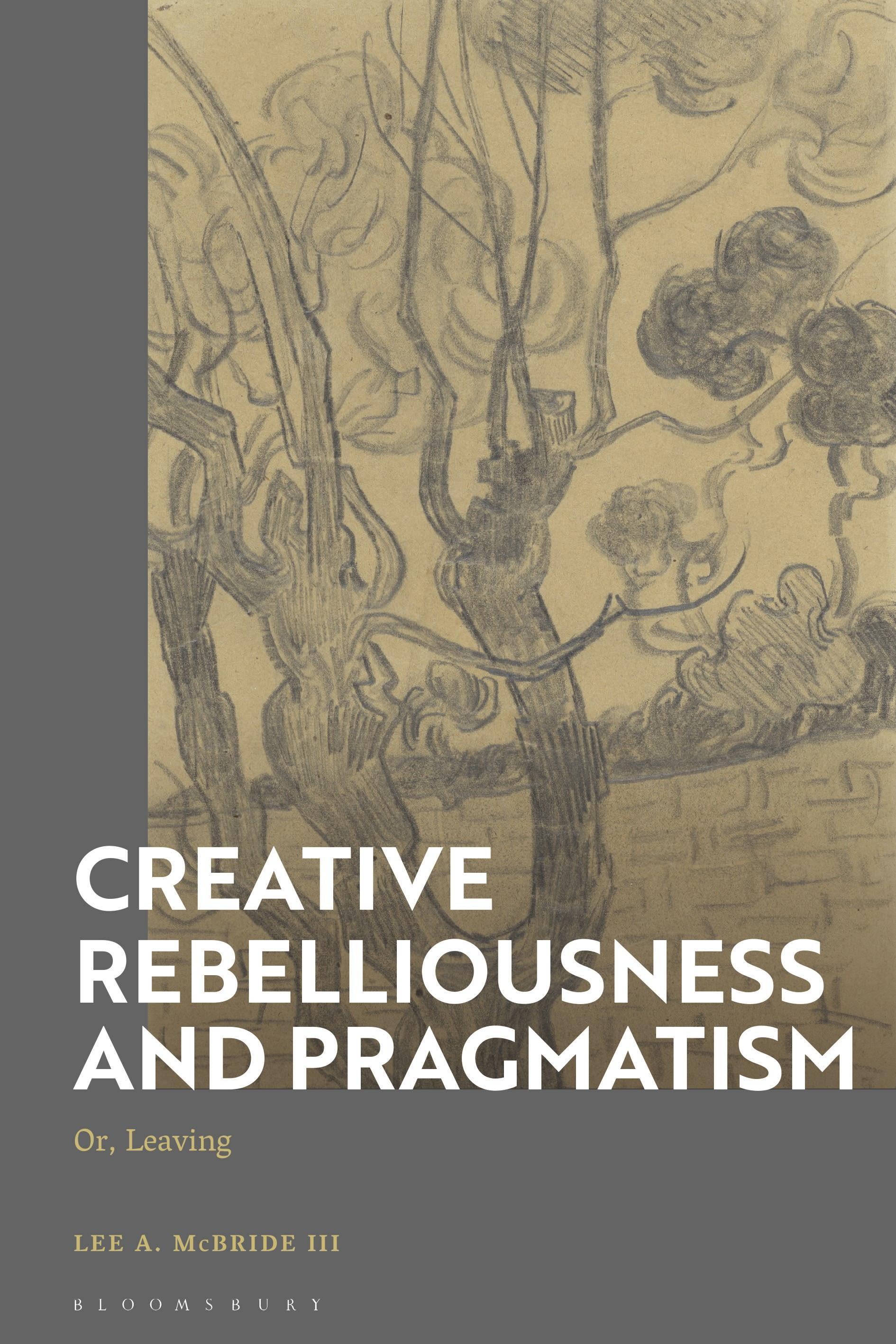
A leading voice in contemporary pragmatism presents a 21st-century presentation and interpretation of the tradition from the point of view of oppressed populations.
Lee A. McBride III urges us to analyze the epistemological boundaries and intervening logics that ensnare us in this order of things and breach them. This powerful and eye-opening approach takes its impetus from Leonard Harris's philosophy born of struggle.
By connecting different philosophical perspectives, McBride offers fresh ways to think about philosophies of struggle. He helps us to size up and challenge those existing epistemological systems that reinforce and reproduce oppression; he proffers a tenable pragmatic naturalized epistemology from which one can make assertive fallibilist claims; he helps us to reenvision our bonds and ties to other beings and the land; he describes the role of immersive affective experiences, poetry, and Dionysian poiesis (making) in leaving the existing systems of knowledge. Each foray develops a way of (re)imagining our ways of being and the norms and structures within which we live. They allow McBride to draw out conceptual and imaginative tools that may assist us in creative rebelliousness, in leaving and shaping a future beyond the asylum walls.
Beautifully written, McBride's book extends the insurrectionist philosophical project in an important direction, expanding the conception of how and where insurrection needs to happen.
Lee A. McBride III urges us to analyze the epistemological boundaries and intervening logics that ensnare us in this order of things and breach them. This powerful and eye-opening approach takes its impetus from Leonard Harris's philosophy born of struggle.
By connecting different philosophical perspectives, McBride offers fresh ways to think about philosophies of struggle. He helps us to size up and challenge those existing epistemological systems that reinforce and reproduce oppression; he proffers a tenable pragmatic naturalized epistemology from which one can make assertive fallibilist claims; he helps us to reenvision our bonds and ties to other beings and the land; he describes the role of immersive affective experiences, poetry, and Dionysian poiesis (making) in leaving the existing systems of knowledge. Each foray develops a way of (re)imagining our ways of being and the norms and structures within which we live. They allow McBride to draw out conceptual and imaginative tools that may assist us in creative rebelliousness, in leaving and shaping a future beyond the asylum walls.
Beautifully written, McBride's book extends the insurrectionist philosophical project in an important direction, expanding the conception of how and where insurrection needs to happen.
Pay easily by card, Klarna, Apple Pay or Google Pay. Not happy? You always have a 14-day money-back guarantee. Read more in our terms. If you have any questions, email us at hello@memmo.org.
Memmo makes studying easier – wherever you are in the world. We bring your course books and smart study tools together in one place: summaries, quizzes, podcasts and flashcards. Plus Ted, your study buddy who answers anything you wonder. Over 50,000 students already study here – built to help you learn faster and stress less.