
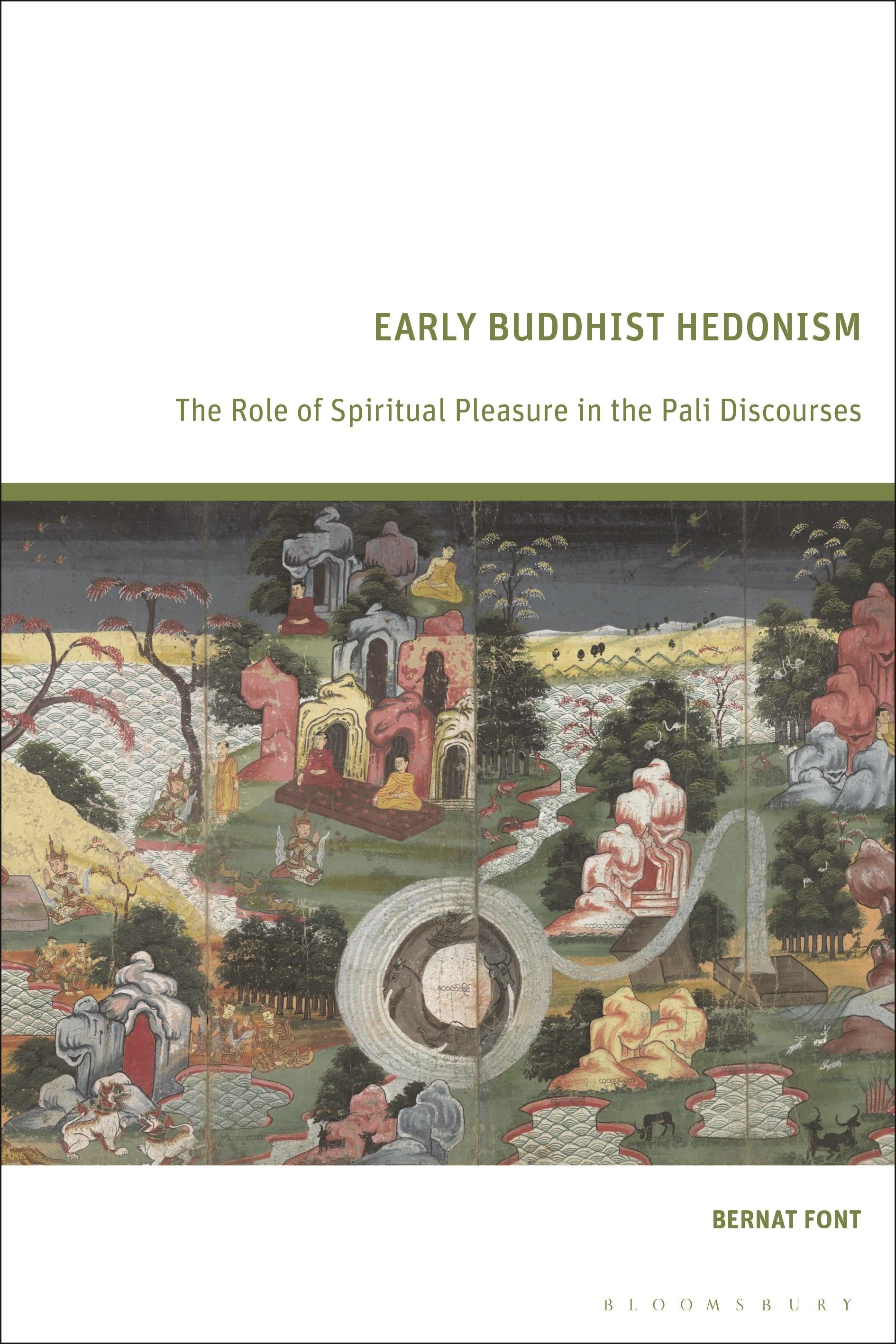
Contesting common perceptions of Buddhism as gloomy, pessimistic and emotionally restrained, this book reveals how/that the ancient path to liberation is centred on feeling good. Bernat Font explores how the Buddha portrayed in Pali discourses is a refined hedonist who seeks pleasure, and if he criticises sensory desire, he does so on the basis that it does not provide enough good feelings.
This book presents early Buddhism as a system that does not combat our tendency to avoid the unpleasant or seek pleasure, but instead uses it subversively for the sake of liberation. Through this notion, chapters explore how Early Buddhism engages fully with our emotional side and works in conjunction with it to transform one's whole being.
Looking at progress to awakening from the vantage point of feeling (vedana), this book uncovers an underlying hedonic curve shared across the jhanas, the awakening factors, mindfulness of breathing, satipatthana, and more. Bernat Font reveals the path as a training in finding pleasure in absences: first, in the absence of unethical behaviours, thoughts and impulses; and then in the absence of experiences that, while ethically neutral, still involve subtle disturbance. Nirvana, the texts say, is reached through pleasure, not through pain.
This book presents early Buddhism as a system that does not combat our tendency to avoid the unpleasant or seek pleasure, but instead uses it subversively for the sake of liberation. Through this notion, chapters explore how Early Buddhism engages fully with our emotional side and works in conjunction with it to transform one's whole being.
Looking at progress to awakening from the vantage point of feeling (vedana), this book uncovers an underlying hedonic curve shared across the jhanas, the awakening factors, mindfulness of breathing, satipatthana, and more. Bernat Font reveals the path as a training in finding pleasure in absences: first, in the absence of unethical behaviours, thoughts and impulses; and then in the absence of experiences that, while ethically neutral, still involve subtle disturbance. Nirvana, the texts say, is reached through pleasure, not through pain.
Pages: 200
Category: Religion & Teologi
e-ISBN: 9781350586857
Shipping weight: 1.2 kg
Ships in: 1-2 days
Pay easily by card, Klarna, Apple Pay or Google Pay. Not happy? You always have a 14-day money-back guarantee. Read more in our terms. If you have any questions, email us at hello@memmo.org.
Memmo makes studying easier – wherever you are in the world. We bring your course books and smart study tools together in one place: summaries, quizzes, podcasts and flashcards. Plus Ted, your study buddy who answers anything you wonder. Over 50,000 students already study here – built to help you learn faster and stress less.