
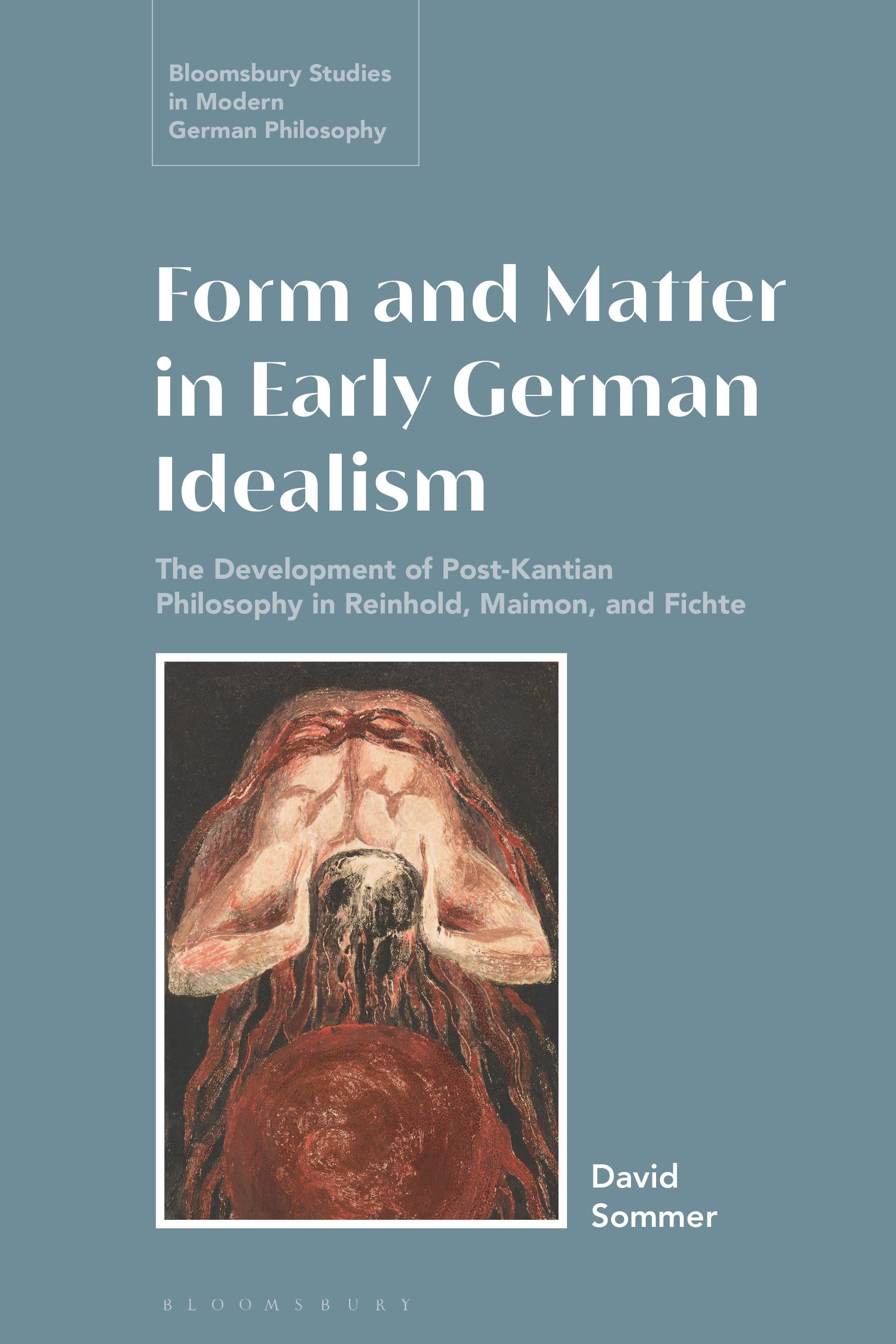
A pioneering book that sheds crucial light on the distinctions between Kant's philosophical project and German Idealism as a whole, resolving problems that are as relevant to scholars today as they were to Kant's immediate successors.
This ground-breaking study is the first detailed exploration of 'transcendental hylomorphism'", or the division of all mental faculties and acts into form and matter. Identifying hylomorphism as the fundamental unifying dynamic in post-Kantian philosophy, David Sommer explores how Kant's idealist successors in the early 1790s-specifically Reinhold, Maimon and Fichte- mapped this dualism in the realm of cognition onto the systematic foundations of philosophy itself.
Proceeding through close analyses of primary texts, Sommer addresses an important gap in the existing scholarship while opening up new avenues of research into the works of Kant and his successors. He illuminates key yet understudied philosophical concepts within their historical contexts, notably providing an in-depth examination of the complex and innovative early works of Maimon and Fichte.
This is an essential contribution to our understanding of the origins of German idealism and Romanticism in general.
This ground-breaking study is the first detailed exploration of 'transcendental hylomorphism'", or the division of all mental faculties and acts into form and matter. Identifying hylomorphism as the fundamental unifying dynamic in post-Kantian philosophy, David Sommer explores how Kant's idealist successors in the early 1790s-specifically Reinhold, Maimon and Fichte- mapped this dualism in the realm of cognition onto the systematic foundations of philosophy itself.
Proceeding through close analyses of primary texts, Sommer addresses an important gap in the existing scholarship while opening up new avenues of research into the works of Kant and his successors. He illuminates key yet understudied philosophical concepts within their historical contexts, notably providing an in-depth examination of the complex and innovative early works of Maimon and Fichte.
This is an essential contribution to our understanding of the origins of German idealism and Romanticism in general.
Pay easily by card, Klarna, Apple Pay or Google Pay. Not happy? You always have a 14-day money-back guarantee. Read more in our terms. If you have any questions, email us at hello@memmo.org.
Memmo makes studying easier – wherever you are in the world. We bring your course books and smart study tools together in one place: summaries, quizzes, podcasts and flashcards. Plus Ted, your study buddy who answers anything you wonder. Over 50,000 students already study here – built to help you learn faster and stress less.