
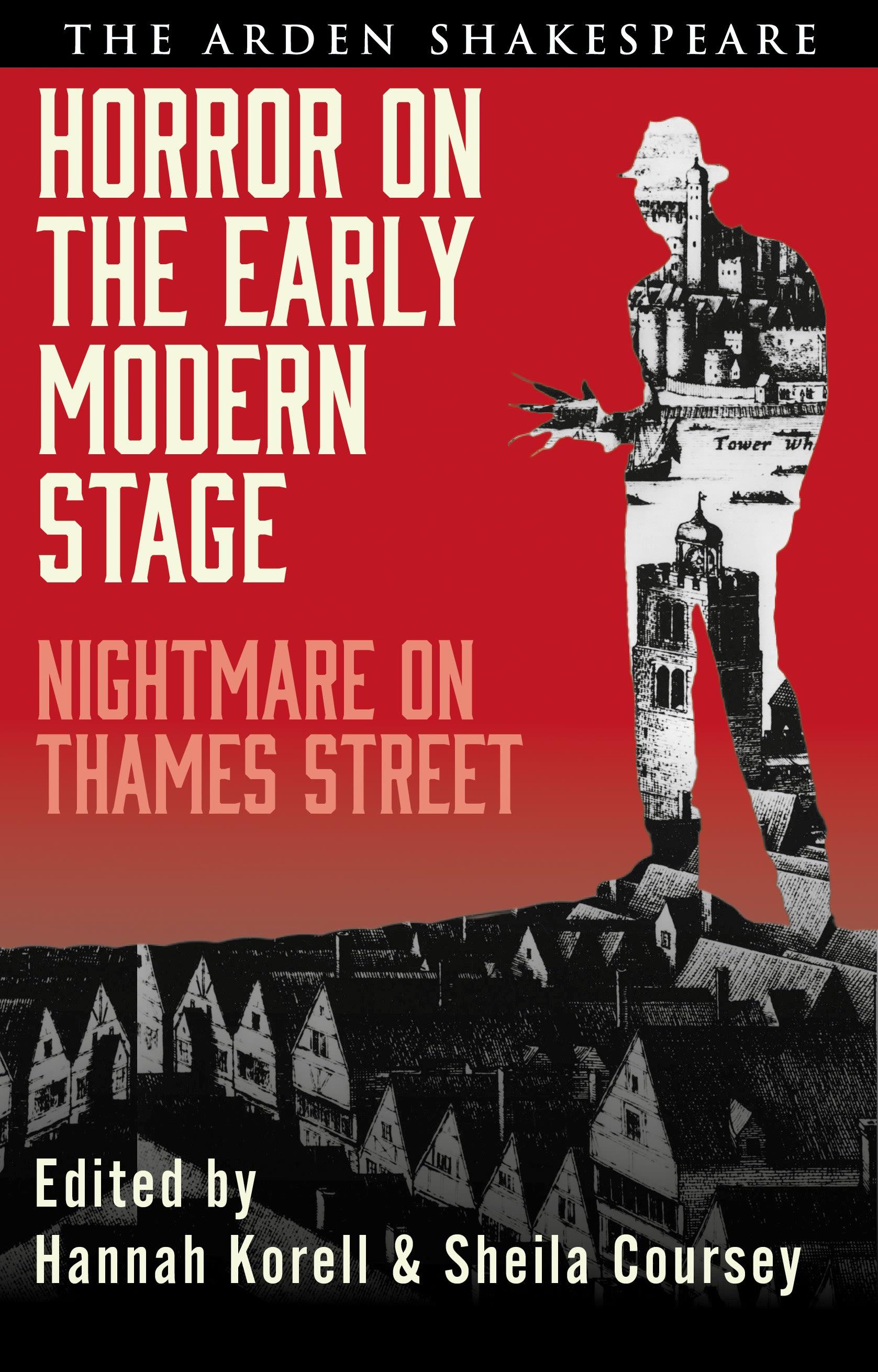
Early modern English theatre provides countless examples of the tropes and feelings we associate with the horror genre. Depictions of obscenity and violence designed to elicit a mixture of loathing, fear, repugnance, shock, awe, and desire in their audiences abound. From the bodily mutilations of Titus Andronicus, to the demonic, ghostly, and psychological terrors of Macbeth and Hamlet, to the sensory shocks of torture and imprisonment within The Duchess of Malfi. This collection of essays argues that the horror genre as we know it should be extended back to the 16th century to include classic early modern plays from A Midsummer Night's Dream to The Witch of Edmonton.
Contributors plot a new theory of horror through its roots as a conscious and complex generic mode in the late sixteenth- and early seventeenth-century. Drawing together essays on topics such as bodily torture and experimentation, necrophilia and decomposition, psychological and supernatural torment, scholars critically engage with categories such as tragedy, comedy, parody, and folk horror. The volume offers new interpretations of both famous and obscure early modern plays, and places them in conversation with contemporary horror films like Midsommar, The Wicker Man, The Substance, and the works of David Cronenberg, providing a new route into the burgeoning field of early modern horror for scholars and students.
Contributors plot a new theory of horror through its roots as a conscious and complex generic mode in the late sixteenth- and early seventeenth-century. Drawing together essays on topics such as bodily torture and experimentation, necrophilia and decomposition, psychological and supernatural torment, scholars critically engage with categories such as tragedy, comedy, parody, and folk horror. The volume offers new interpretations of both famous and obscure early modern plays, and places them in conversation with contemporary horror films like Midsommar, The Wicker Man, The Substance, and the works of David Cronenberg, providing a new route into the burgeoning field of early modern horror for scholars and students.
Pay easily by card, Klarna, Apple Pay or Google Pay. Not happy? You always have a 14-day money-back guarantee. Read more in our terms. If you have any questions, email us at hello@memmo.org.
Memmo makes studying easier – wherever you are in the world. We bring your course books and smart study tools together in one place: summaries, quizzes, podcasts and flashcards. Plus Ted, your study buddy who answers anything you wonder. Over 75,000 students already study here – built to help you learn faster and stress less.