
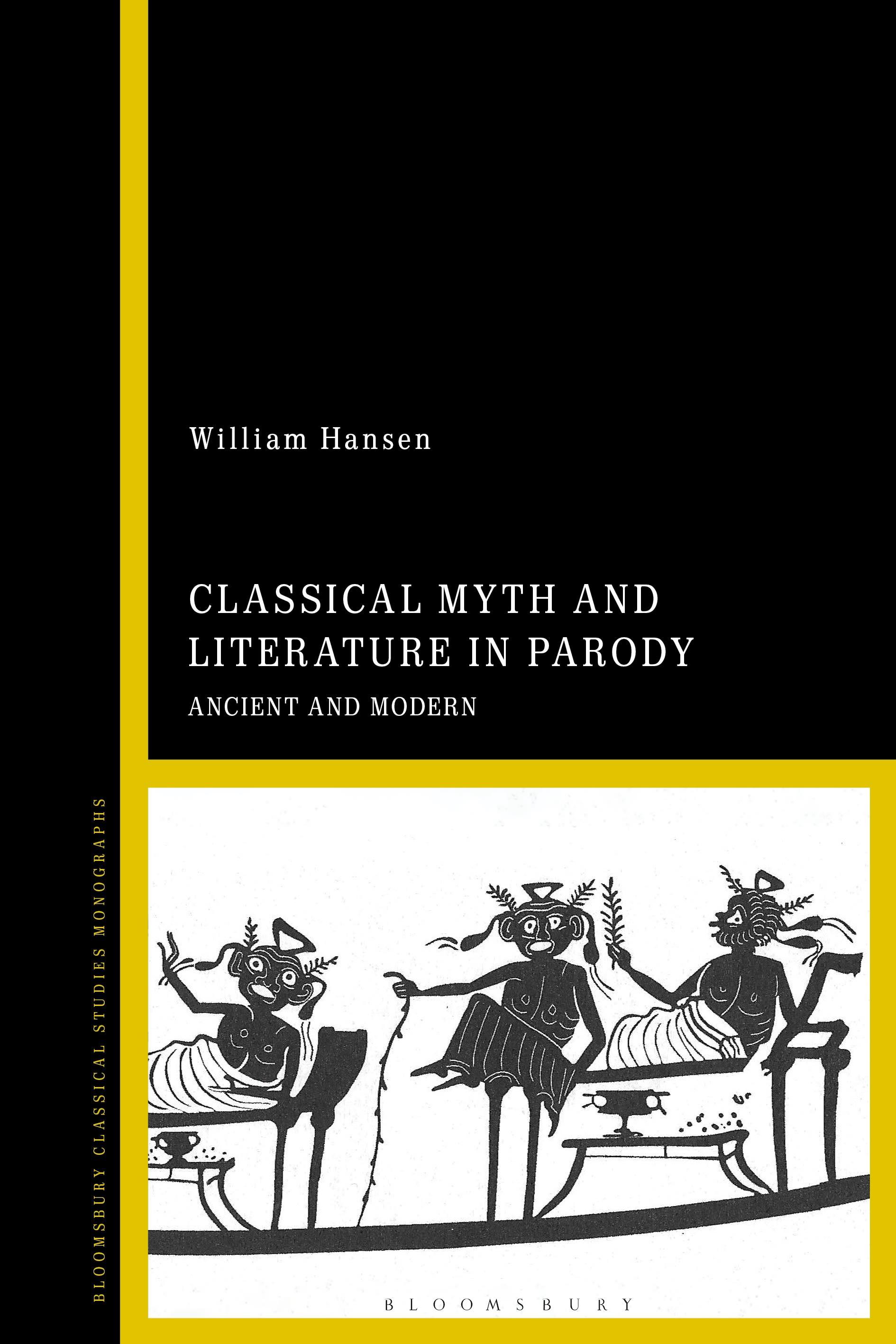
This book examines the evolution of classical parody, from its origins in ancient Greece and Rome to its resurgence in modern times. The book explores two key periods: the first from the sixth century BCE to the second century CE, and the second beginning in the 17th century, continuing today. In antiquity, writers like Aristophanes and Lucian parodied their own culture, relying on audiences' deep knowledge of Greek and Roman texts. This “insider” parody faded with the rise of Christianity and changes in language.
The second era of classical parody emerged during the Renaissance, as classical texts were rediscovered and studied in schools. Writers like Charles Cotton in England created “outsider” parody, mocking ancient literature learned in the classroom. This book focuses on English-language works, including The Comic Latin Grammar and Victorian burlesque theatre, which drew on classical mythology and history. The book also addresses the social and educational changes that shaped classical parody, such as the invention of the printing press and the influence of Renaissance humanism. It is the first comprehensive study of anglophone classical parody, revealing how authors through the centuries have reimagined and distorted classical texts for humorous effect.
The second era of classical parody emerged during the Renaissance, as classical texts were rediscovered and studied in schools. Writers like Charles Cotton in England created “outsider” parody, mocking ancient literature learned in the classroom. This book focuses on English-language works, including The Comic Latin Grammar and Victorian burlesque theatre, which drew on classical mythology and history. The book also addresses the social and educational changes that shaped classical parody, such as the invention of the printing press and the influence of Renaissance humanism. It is the first comprehensive study of anglophone classical parody, revealing how authors through the centuries have reimagined and distorted classical texts for humorous effect.
Pay easily by card, Klarna, Apple Pay or Google Pay. Not happy? You always have a 14-day money-back guarantee. Read more in our terms. If you have any questions, email us at hello@memmo.org.
Memmo makes studying easier – wherever you are in the world. We bring your course books and smart study tools together in one place: summaries, quizzes, podcasts and flashcards. Plus Ted, your study buddy who answers anything you wonder. Over 75,000 students already study here – built to help you learn faster and stress less.