
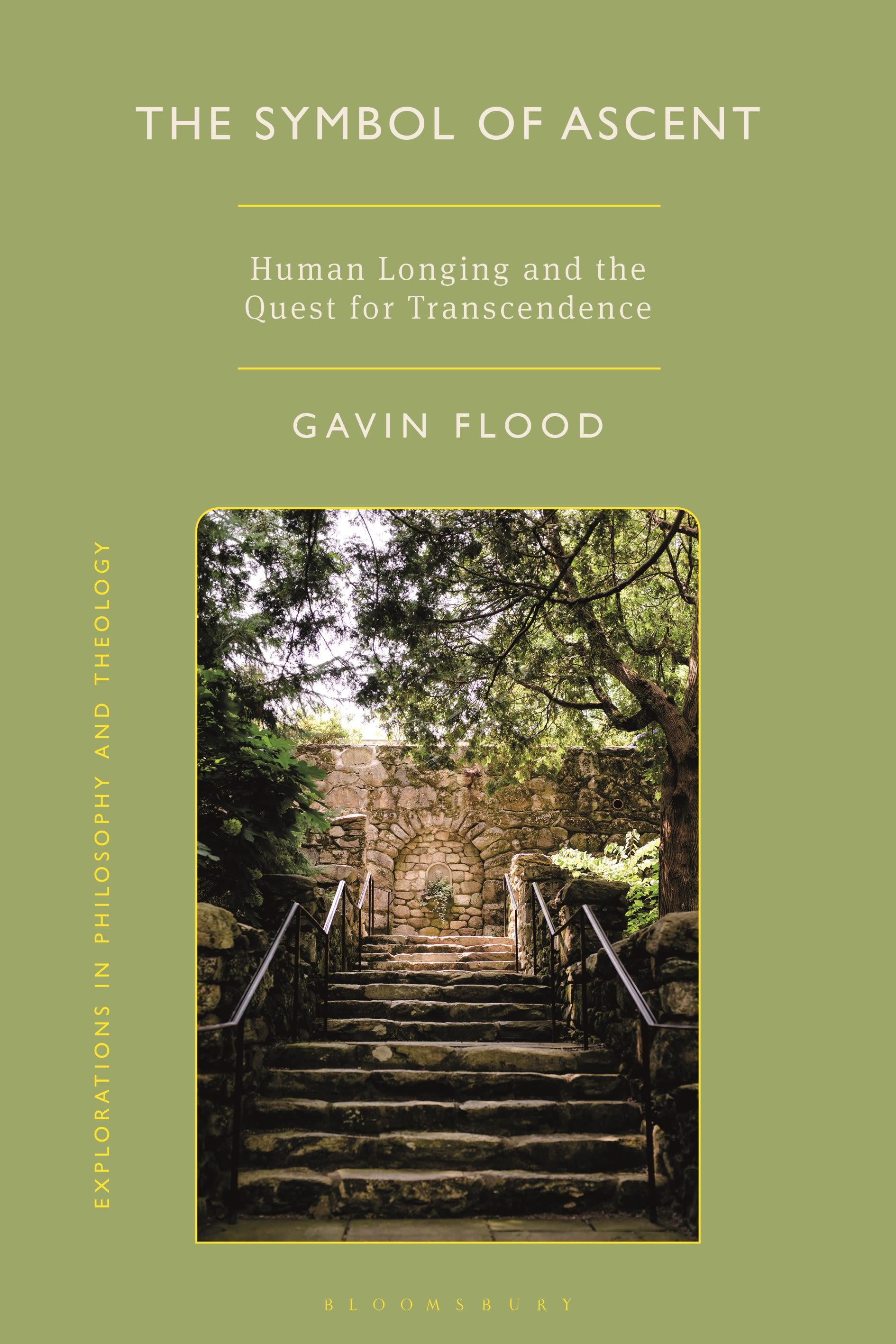
The Symbol of Ascent argues that the history of religions is, in large part, the history of humanity's symbolic elaboration of a longing for transcendence.
Across civilizations, human beings have imagined ascent: the soul rising towards God, the philosopher ascending to truth, the yogin passing through higher states of awareness, the mystic drawn towards divine light. Though these traditions differ profoundly in doctrine and practice, Gavin Flood shows that they share a common symbolic structure that expresses one of the deepest features of human life: the aspiration to rise beyond the given.
Drawing on Greek philosophy, Christian theology and Indian religious traditions, Flood traces the history of this symbol before asking why it has proved so remarkably persistent. Combining historical scholarship with phenomenological reflection, he argues that ascent is grounded not simply in religious belief but in the embodied structure of the human lifeworld itself: in our bodily orientation to verticality, in language, and in the enduring human capacity to imagine transcendence.
Bringing together philosophy, theology and the comparative study of religions, The Symbol of Ascent offers a new account of one of the central symbols of human culture. Even in a secular age, where traditional cosmologies have receded, the aspiration to transcendence remains. To understand the symbol of ascent is therefore to understand something fundamental about what it means to be human.
Across civilizations, human beings have imagined ascent: the soul rising towards God, the philosopher ascending to truth, the yogin passing through higher states of awareness, the mystic drawn towards divine light. Though these traditions differ profoundly in doctrine and practice, Gavin Flood shows that they share a common symbolic structure that expresses one of the deepest features of human life: the aspiration to rise beyond the given.
Drawing on Greek philosophy, Christian theology and Indian religious traditions, Flood traces the history of this symbol before asking why it has proved so remarkably persistent. Combining historical scholarship with phenomenological reflection, he argues that ascent is grounded not simply in religious belief but in the embodied structure of the human lifeworld itself: in our bodily orientation to verticality, in language, and in the enduring human capacity to imagine transcendence.
Bringing together philosophy, theology and the comparative study of religions, The Symbol of Ascent offers a new account of one of the central symbols of human culture. Even in a secular age, where traditional cosmologies have receded, the aspiration to transcendence remains. To understand the symbol of ascent is therefore to understand something fundamental about what it means to be human.
Pages: 264
Category: Religion & Teologi
e-ISBN: 9781350539907
Shipping weight: 1.2 kg
Ships in: 1-2 days
Pay easily by card, Klarna, Apple Pay or Google Pay. Not happy? You always have a 14-day money-back guarantee. Read more in our terms. If you have any questions, email us at hello@memmo.org.
Memmo makes studying easier – wherever you are in the world. We bring your course books and smart study tools together in one place: summaries, quizzes, podcasts and flashcards. Plus Ted, your study buddy who answers anything you wonder. Over 50,000 students already study here – built to help you learn faster and stress less.