
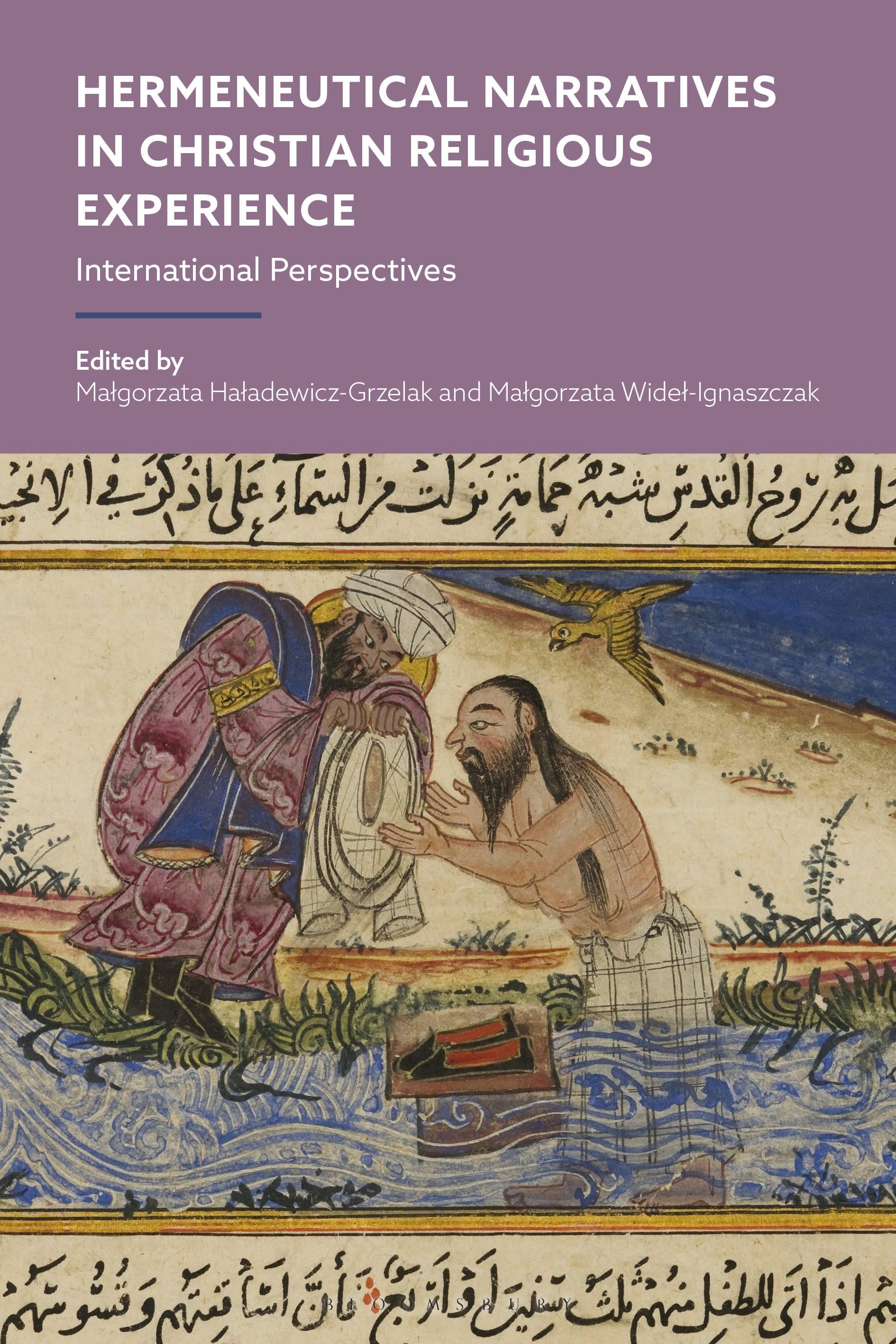
This book explores the intersection of culture, language, and religious experience, and approaches hermeneutics as a meta-perspective to address Christian religious communication.
It draws on the work of scholars from diverse geographical areas and academic fields, with a particular emphasis on Orthodox and Catholic Christianity and Slavic scholarship.
The volume explores Christian experiential identities through hermeneutics and phenomenology, in the context of diversity across denominations through theolinguistic and sociopragmatic perspectives. It offers the reader an exploration of specific cultural textscapes, considering the space of devotional and religious narrations in a variety of discourses. The chapters consider how the Gospel is conditioned and developed by specific strands of Christianity, the values that emerge through cultural contact and contact of specific denominations, how religion interacts with wider societal issues, and processes of sacralization and desacralization of culture, space and expression.
Offering critical insights into hermeneutics in the tradition of Schleiermacher, Gadamer and Ricoeur, it presents a variety of case studies and topics, including Andalusian saeta, Biblical studies, Icelandic hagiographies, issues of adaptation and exoticisation of the language of religious minorities, Old Church Slavonic scriptures, the Shrine of Fatima in Portugal, and sign language.
Through its exploration of religious narratives and interactions, the book not only broadens our understanding of Christian experience but also fosters dialogue across disciplines and cultures.
It draws on the work of scholars from diverse geographical areas and academic fields, with a particular emphasis on Orthodox and Catholic Christianity and Slavic scholarship.
The volume explores Christian experiential identities through hermeneutics and phenomenology, in the context of diversity across denominations through theolinguistic and sociopragmatic perspectives. It offers the reader an exploration of specific cultural textscapes, considering the space of devotional and religious narrations in a variety of discourses. The chapters consider how the Gospel is conditioned and developed by specific strands of Christianity, the values that emerge through cultural contact and contact of specific denominations, how religion interacts with wider societal issues, and processes of sacralization and desacralization of culture, space and expression.
Offering critical insights into hermeneutics in the tradition of Schleiermacher, Gadamer and Ricoeur, it presents a variety of case studies and topics, including Andalusian saeta, Biblical studies, Icelandic hagiographies, issues of adaptation and exoticisation of the language of religious minorities, Old Church Slavonic scriptures, the Shrine of Fatima in Portugal, and sign language.
Through its exploration of religious narratives and interactions, the book not only broadens our understanding of Christian experience but also fosters dialogue across disciplines and cultures.
Pay easily by card, Klarna, Apple Pay or Google Pay. Not happy? You always have a 14-day money-back guarantee. Read more in our terms. If you have any questions, email us at hello@memmo.org.
Memmo makes studying easier – wherever you are in the world. We bring your course books and smart study tools together in one place: summaries, quizzes, podcasts and flashcards. Plus Ted, your study buddy who answers anything you wonder. Over 50,000 students already study here – built to help you learn faster and stress less.