
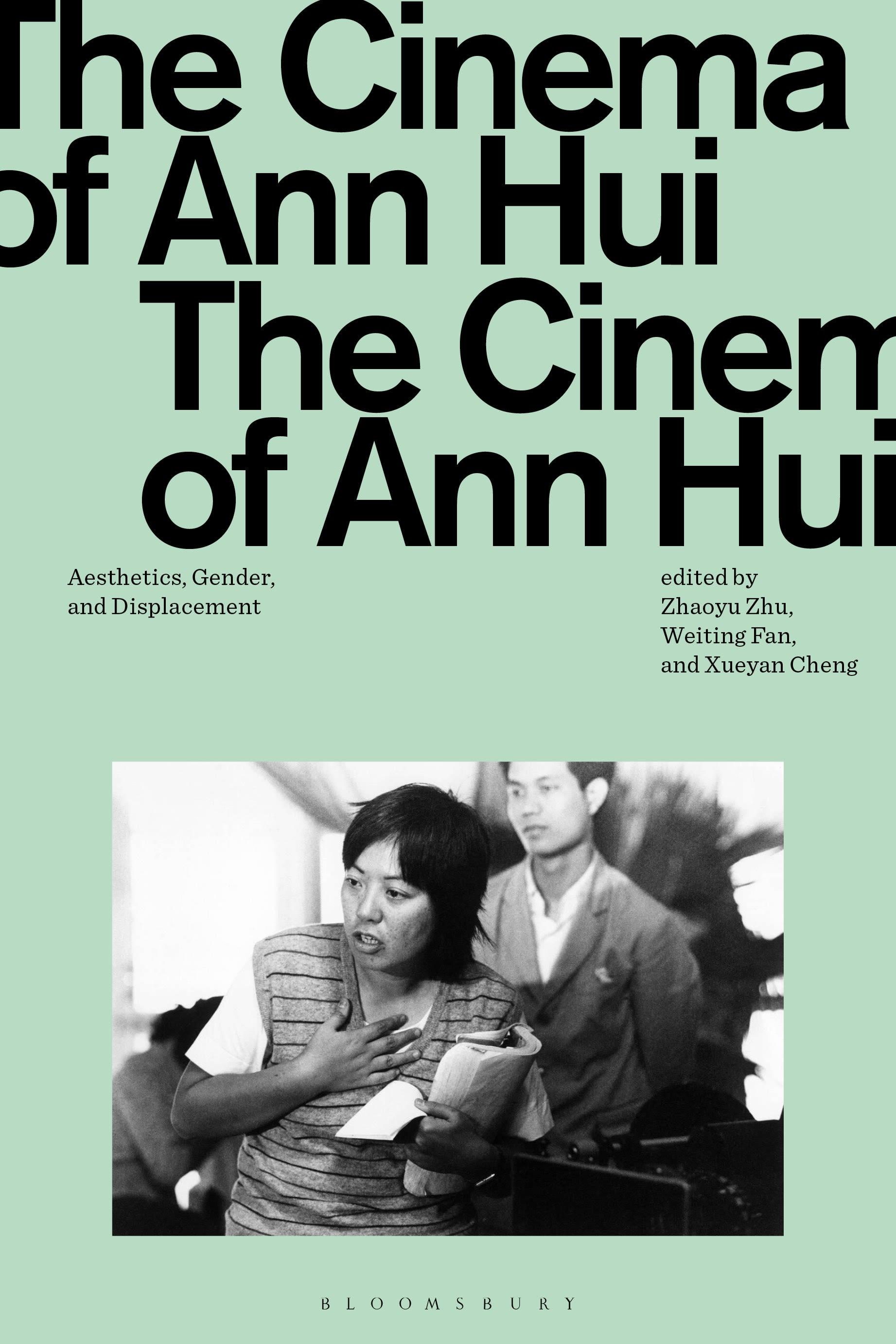
A central figure in Hong Kong cinema since her debut with The Secret (1979), Ann Hui was awarded the Golden Lion for Lifetime Achievement at the 77th Venice International Film Festival in 2020. This book explores her distinctive narrative strategies and visual style, with particular attention to gender representation and the depiction of displacement within diasporic communities.
Bringing together essays by an international group of contributors, the volume offers a comprehensive analysis of Hui's filmmaking, from early televisual works such as The Boy from Vietnam (1978), to her recent documentary Elegies (2023). The chapters situate her formal and aesthetic choices within the specific historical and cultural conditions of Hong Kong and its film industry, demonstrating how her cinema is shaped by, and responds to, these contexts.
The book also explores Hui's sustained engagement with gender and sexuality in films including Summer Snow (1995), All About Love (2010) and Our Time Will Come (2017), underscoring her creative agency as a female auteur. By reworking Chinese aesthetic traditions to reimagine femininity and female subjectivity, Hui's films are positioned here as open-ended and multifaceted. In doing so, the volume deepens our understanding of Hong Kong and Chinese-language cinema, the representation of women on screen, and the ongoing reconfiguration of Hong Kong's cultural identity through the work of a globally recognised filmmaker.
Bringing together essays by an international group of contributors, the volume offers a comprehensive analysis of Hui's filmmaking, from early televisual works such as The Boy from Vietnam (1978), to her recent documentary Elegies (2023). The chapters situate her formal and aesthetic choices within the specific historical and cultural conditions of Hong Kong and its film industry, demonstrating how her cinema is shaped by, and responds to, these contexts.
The book also explores Hui's sustained engagement with gender and sexuality in films including Summer Snow (1995), All About Love (2010) and Our Time Will Come (2017), underscoring her creative agency as a female auteur. By reworking Chinese aesthetic traditions to reimagine femininity and female subjectivity, Hui's films are positioned here as open-ended and multifaceted. In doing so, the volume deepens our understanding of Hong Kong and Chinese-language cinema, the representation of women on screen, and the ongoing reconfiguration of Hong Kong's cultural identity through the work of a globally recognised filmmaker.
Pay easily by card, Klarna, Apple Pay or Google Pay. Not happy? You always have a 14-day money-back guarantee. Read more in our terms. If you have any questions, email us at hello@memmo.org.
Memmo makes studying easier – wherever you are in the world. We bring your course books and smart study tools together in one place: summaries, quizzes, podcasts and flashcards. Plus Ted, your study buddy who answers anything you wonder. Over 50,000 students already study here – built to help you learn faster and stress less.