
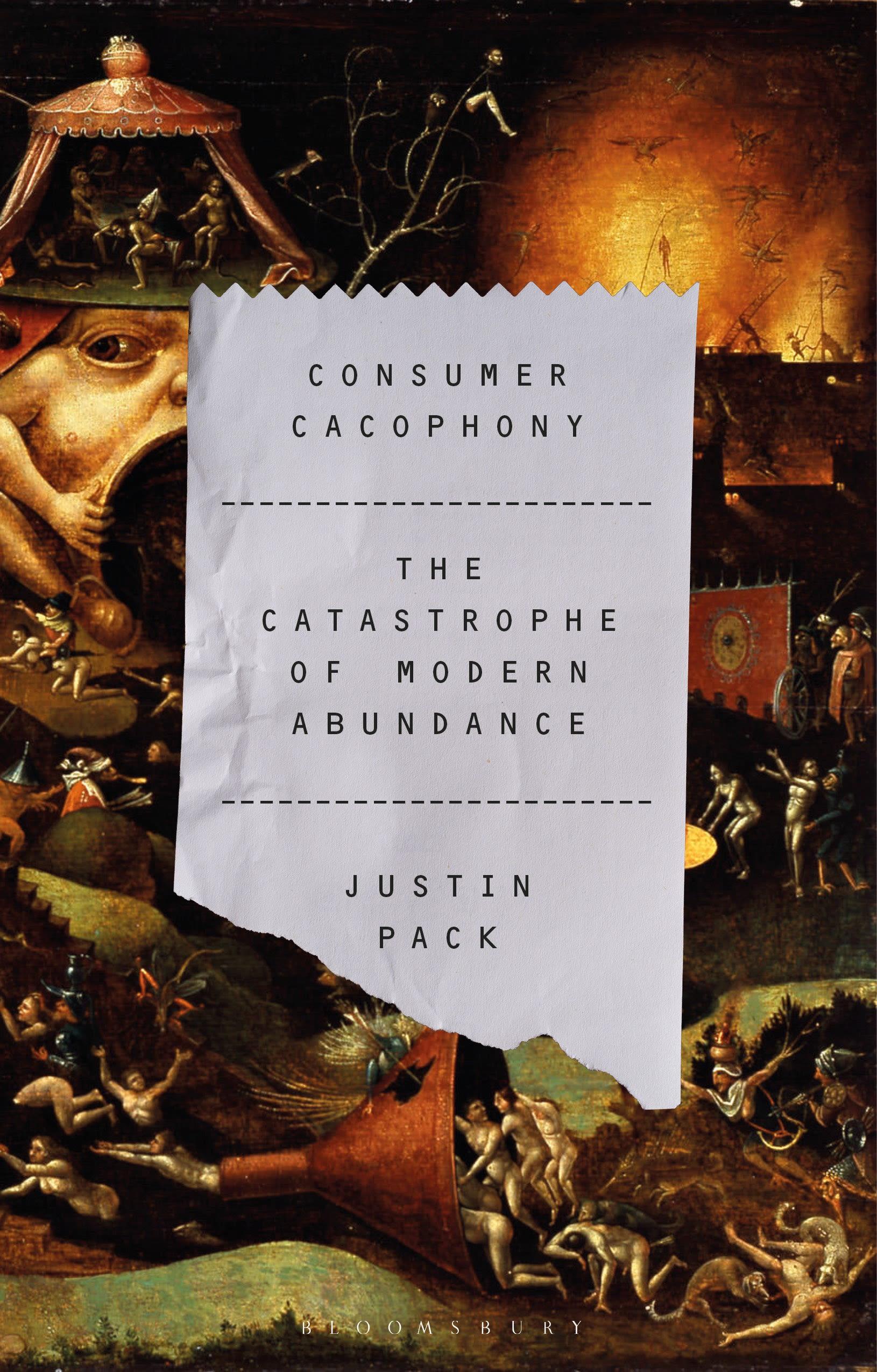
There is too much. Too much to read, too much to watch, too much to try, too much to buy. For the modern consumer, it's hard to hear and hard to think amid all of this noise.
This book argues such that cacophony is a nihilistic abundance, threatening not only the physical environment that we live in, but also the coherence of our spiritual and cultural worlds. While we wrestle with the economic, political and environmental impact of too much, we do so in the midst of a crisis in the culture of thinking and feeling.
Understanding that contemporary philosophy often fail to engage with these challenges, Justin Pack turns to thinkers including Nietzsche, Ortega y Gasset, Arendt, Zygmunt Bauman and Charles Taylor to explore the various threats of overproduction. Drawing together what are often seen as separate problems requiring different solutions – material abundance, environmental crisis, the decline of thoughtfulness – Consumer Cacophony's case studies are drawn from across society and culture, but particularly the phenomena of academic overproduction and social media. This is a thoughtful, incisive account of that global overproduction and its devastating consequences.
This book argues such that cacophony is a nihilistic abundance, threatening not only the physical environment that we live in, but also the coherence of our spiritual and cultural worlds. While we wrestle with the economic, political and environmental impact of too much, we do so in the midst of a crisis in the culture of thinking and feeling.
Understanding that contemporary philosophy often fail to engage with these challenges, Justin Pack turns to thinkers including Nietzsche, Ortega y Gasset, Arendt, Zygmunt Bauman and Charles Taylor to explore the various threats of overproduction. Drawing together what are often seen as separate problems requiring different solutions – material abundance, environmental crisis, the decline of thoughtfulness – Consumer Cacophony's case studies are drawn from across society and culture, but particularly the phenomena of academic overproduction and social media. This is a thoughtful, incisive account of that global overproduction and its devastating consequences.
Pay easily by card, Klarna, Apple Pay or Google Pay. Not happy? You always have a 14-day money-back guarantee. Read more in our terms. If you have any questions, email us at hello@memmo.org.
Memmo makes studying easier – wherever you are in the world. We bring your course books and smart study tools together in one place: summaries, quizzes, podcasts and flashcards. Plus Ted, your study buddy who answers anything you wonder. Over 50,000 students already study here – built to help you learn faster and stress less.