
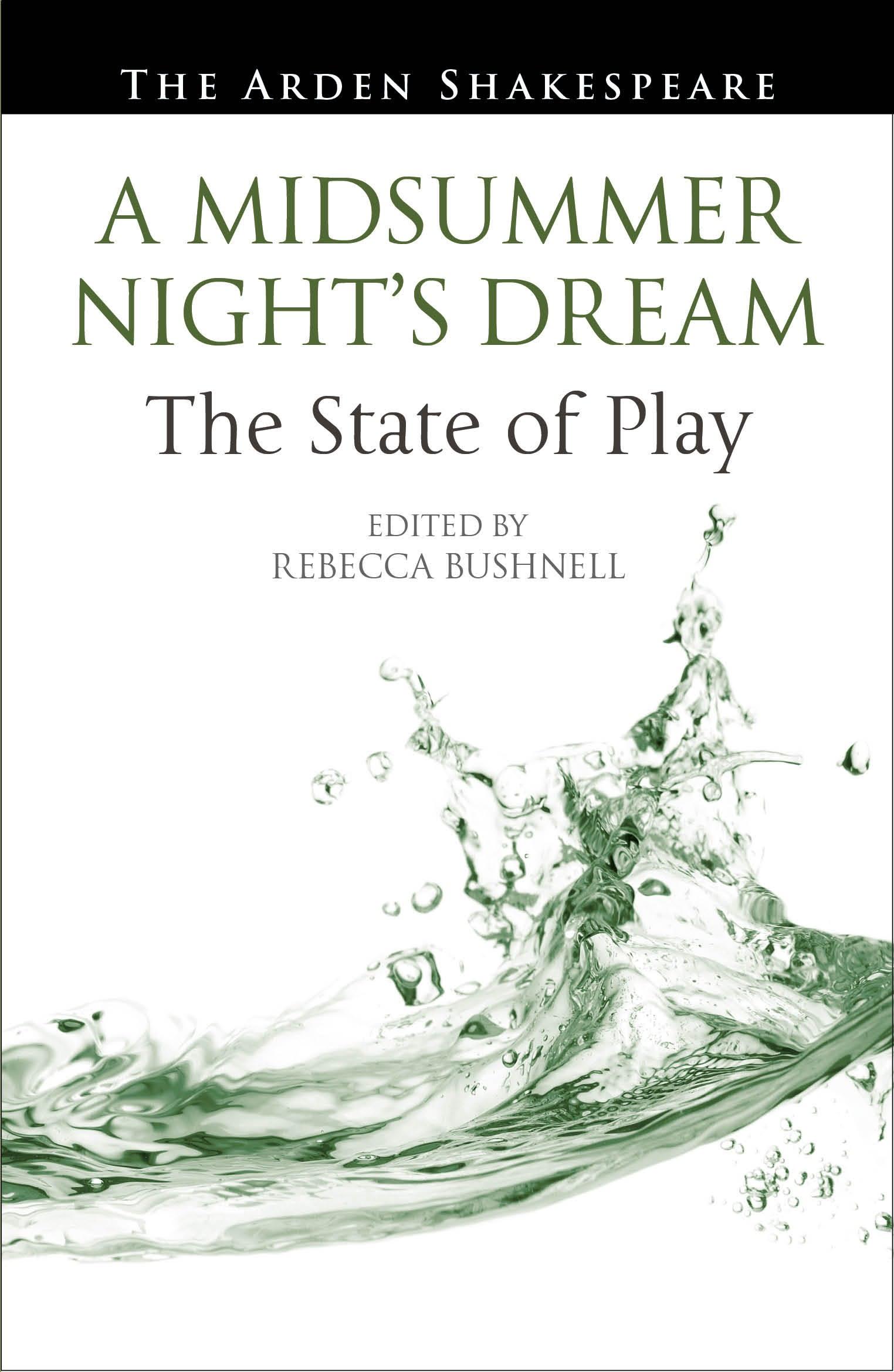
This volume offers new critical and performance approaches to Shakespeare's most well-known comedy of desire, a play that speaks powerfully to contemporary concerns.
A Midsummer Night's Dream is one of Shakespeare's most resilient plays. Although often dismissed as light comedy suitable for young readers, the play is now taken seriously, transformed through readings from queer, feminist, post-colonialist, race and ecocritical perspectives, as well as in its global performances and adaptations.
Suitable for a wide range of readers, this collection includes approaches to the play covering textual studies, literary analysis, performance studies, adaptation studies and pedagogy. While differing in methodology, the chapters all point to the inherent instability or openness of this play and its themes of shifting identity and boundary crossings, bridging nature and culture, the material and 'airy nothing', mortal and fairy. They make it amply clear that this play speaks to people around the world today, emphasising its wide global reception and adaptability in both theatre and film.
The variety of topics covered includes: the play's textual instability; the treatment of cognition and perception; anxiety about the power of the maternal imagination; the intersection of race, slavery and ecology; the intertwining of plant and human bodies; the use of transformative spaces in stage and screen adaptations; Korean adaptations that imagined the possibility of political reparations; student adaptations in India that engaged with what can be and not be staged in performance; and teaching the play in Kuwait and China, where students' responses reflected differing cultural contexts.
A Midsummer Night's Dream is one of Shakespeare's most resilient plays. Although often dismissed as light comedy suitable for young readers, the play is now taken seriously, transformed through readings from queer, feminist, post-colonialist, race and ecocritical perspectives, as well as in its global performances and adaptations.
Suitable for a wide range of readers, this collection includes approaches to the play covering textual studies, literary analysis, performance studies, adaptation studies and pedagogy. While differing in methodology, the chapters all point to the inherent instability or openness of this play and its themes of shifting identity and boundary crossings, bridging nature and culture, the material and 'airy nothing', mortal and fairy. They make it amply clear that this play speaks to people around the world today, emphasising its wide global reception and adaptability in both theatre and film.
The variety of topics covered includes: the play's textual instability; the treatment of cognition and perception; anxiety about the power of the maternal imagination; the intersection of race, slavery and ecology; the intertwining of plant and human bodies; the use of transformative spaces in stage and screen adaptations; Korean adaptations that imagined the possibility of political reparations; student adaptations in India that engaged with what can be and not be staged in performance; and teaching the play in Kuwait and China, where students' responses reflected differing cultural contexts.
Pay easily by card, Klarna, Apple Pay or Google Pay. Not happy? You always have a 14-day money-back guarantee. Read more in our terms. If you have any questions, email us at hello@memmo.org.
Memmo makes studying easier – wherever you are in the world. We bring your course books and smart study tools together in one place: summaries, quizzes, podcasts and flashcards. Plus Ted, your study buddy who answers anything you wonder. Over 75,000 students already study here – built to help you learn faster and stress less.