
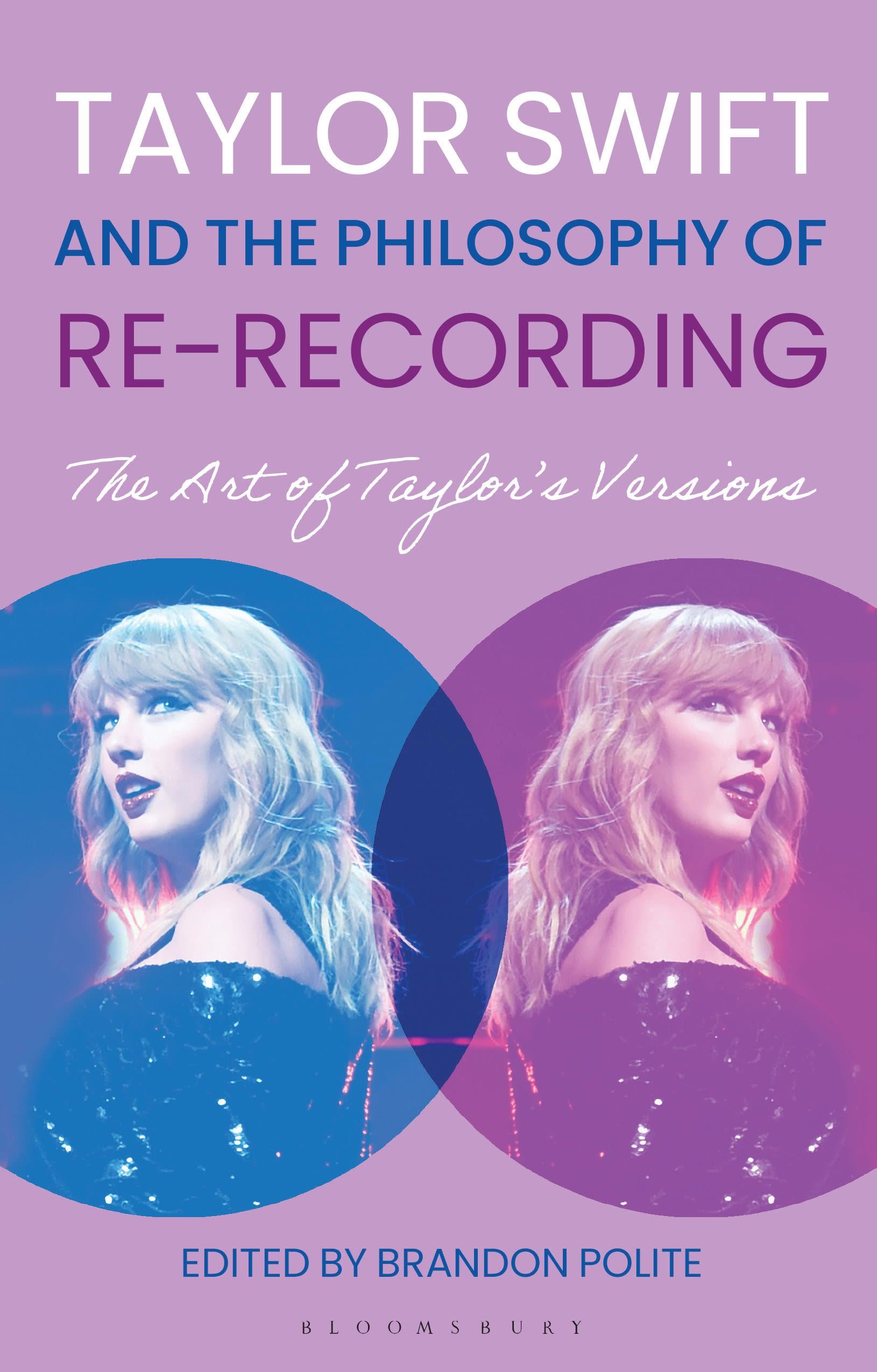
A lively and thorough exploration of the aesthetic, metaphysical, ethical, political, and legal implications of Taylor Swift's ongoing project of re-recording her first six studio albums.
When Taylor Swift's record label was sold in 2019, the six studio albums she recorded for them came under the control of a person with whom she has had years of bad blood: Kanye West's former manager Scooter Braun. But rather than move on, Swift chose to take the unprecedented step of re-recording duplicate versions of those albums. With all of the profits made from selling, streaming, and licensing these “Taylor's Versions” going directly to Swift, she could deprive Braun of potentially hundreds of millions of dollars. The gambit has already paid off. The first two Taylor's Versions (of Fearless and Red) debuted at Number 1 on the Billboard charts and have sold over one million copies so far; and four more are still on the way.
In this book, ten philosophers, a music producer and a composer/music technologist explore the philosophical richness of Swift's project and the questions it raises: Are Swift's re-recordings new works of art or mere copies of the originals? Do the Taylor's Versions of the songs have the same meanings as the original versions, or do they now mean something different? Is her re-recording project genuinely artistic or merely commercial? Is Swift standing up for artists' rights or looking out for herself? Does the music industry exploit artists, and, if so, how should it be reformed?
Together they show the philosophical dividends one of the most famous and acclaimed recording artists of her generation is capable of producing. For anyone interested in the complicated relationship between popular art and commerce this book is a must-read.
When Taylor Swift's record label was sold in 2019, the six studio albums she recorded for them came under the control of a person with whom she has had years of bad blood: Kanye West's former manager Scooter Braun. But rather than move on, Swift chose to take the unprecedented step of re-recording duplicate versions of those albums. With all of the profits made from selling, streaming, and licensing these “Taylor's Versions” going directly to Swift, she could deprive Braun of potentially hundreds of millions of dollars. The gambit has already paid off. The first two Taylor's Versions (of Fearless and Red) debuted at Number 1 on the Billboard charts and have sold over one million copies so far; and four more are still on the way.
In this book, ten philosophers, a music producer and a composer/music technologist explore the philosophical richness of Swift's project and the questions it raises: Are Swift's re-recordings new works of art or mere copies of the originals? Do the Taylor's Versions of the songs have the same meanings as the original versions, or do they now mean something different? Is her re-recording project genuinely artistic or merely commercial? Is Swift standing up for artists' rights or looking out for herself? Does the music industry exploit artists, and, if so, how should it be reformed?
Together they show the philosophical dividends one of the most famous and acclaimed recording artists of her generation is capable of producing. For anyone interested in the complicated relationship between popular art and commerce this book is a must-read.
Pay easily by card, Klarna, Apple Pay or Google Pay. Not happy? You always have a 14-day money-back guarantee. Read more in our terms. If you have any questions, email us at hello@memmo.org.
Memmo makes studying easier – wherever you are in the world. We bring your course books and smart study tools together in one place: summaries, quizzes, podcasts and flashcards. Plus Ted, your study buddy who answers anything you wonder. Over 50,000 students already study here – built to help you learn faster and stress less.