
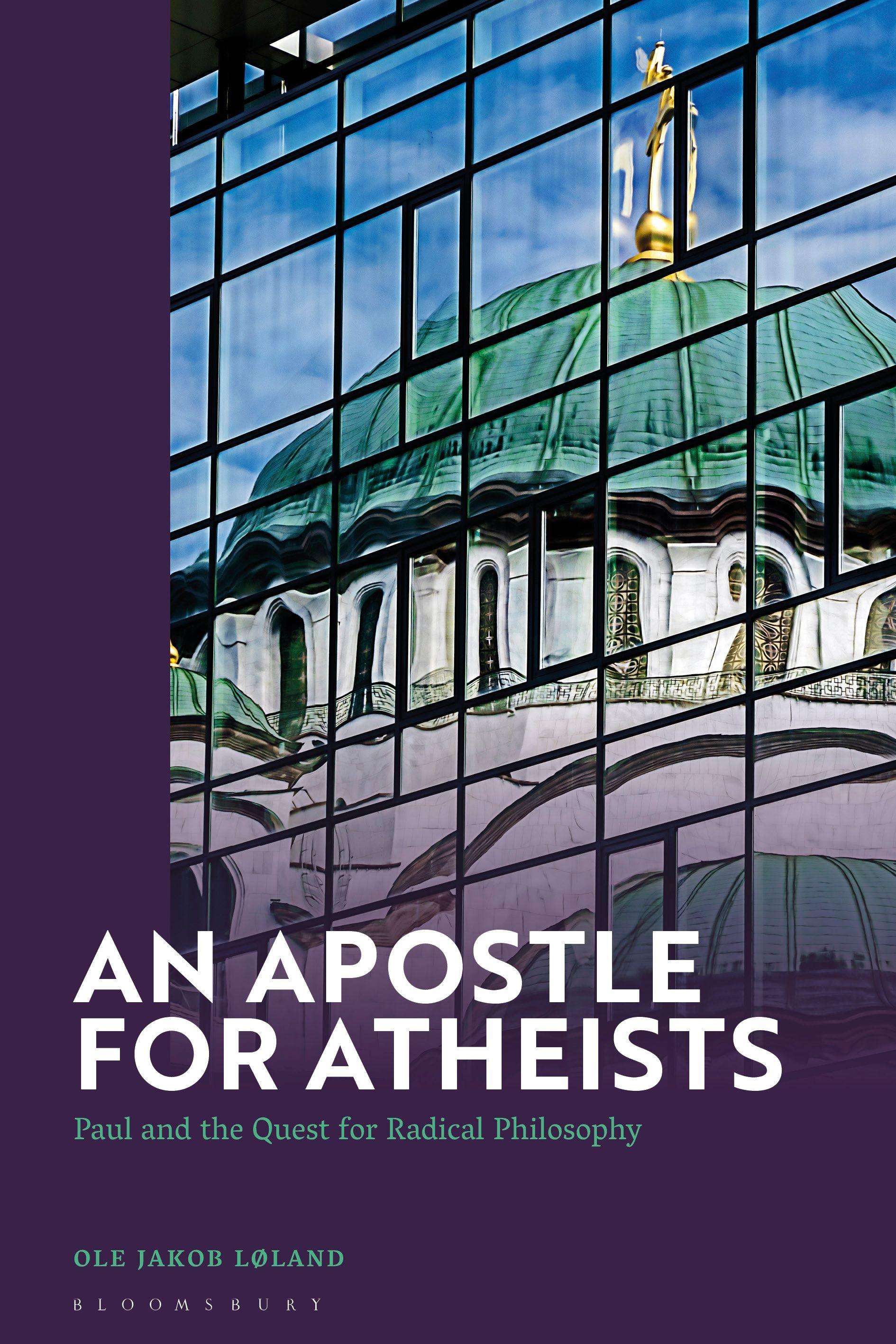
What is a modern philosopher to make of Paul, the apostle? What do non-Christian philosophers in Europe gain from reading ancient letters from Christianity's first great ideologue, and letters addressed to groups of people lost to time? To ask this question is to acknowledge that despite religious faith being regarded by many as a stage that our modern societies have left behind, contemporary philosophers are confronted with questions such as multiculturalism and religious fundamentalism in the wake of immigration and the increasing presence of religious minorities.
The Letters of Paul have gained the interest of several philosophers, and the interpretations of the apostle have taken many forms. Looking closely at Paul's letters which have gained most interest from atheist philosophers, The First Letter to the Corinthians and the Letter to the Romans, this book offers an overview of the various ways they have been understood. It pays close attention also to the readings of Paul in the three thinkers, Friedrich Nietzsche and Sigmund Freud – canonized as two of the great pillars of the modern critique of religion – with Spinoza as one of their important predecessors. Confronting these readings with insights not only from the more recent philosophical readings of the apostle but also from historical-critical scholarship on the Bible, this book lifts the veil over a new picture of the apostle as a figure with potential value for non-Christians and atheists.
An Apostle for Atheists leaves us with ideas that compel us to reconsider Paul's negative reputation for secular modernity and appreciate him as a figure of a radically new politics as well as a renewed psychoanalysis.
The Letters of Paul have gained the interest of several philosophers, and the interpretations of the apostle have taken many forms. Looking closely at Paul's letters which have gained most interest from atheist philosophers, The First Letter to the Corinthians and the Letter to the Romans, this book offers an overview of the various ways they have been understood. It pays close attention also to the readings of Paul in the three thinkers, Friedrich Nietzsche and Sigmund Freud – canonized as two of the great pillars of the modern critique of religion – with Spinoza as one of their important predecessors. Confronting these readings with insights not only from the more recent philosophical readings of the apostle but also from historical-critical scholarship on the Bible, this book lifts the veil over a new picture of the apostle as a figure with potential value for non-Christians and atheists.
An Apostle for Atheists leaves us with ideas that compel us to reconsider Paul's negative reputation for secular modernity and appreciate him as a figure of a radically new politics as well as a renewed psychoanalysis.
Pay easily by card, Klarna, Apple Pay or Google Pay. Not happy? You always have a 14-day money-back guarantee. Read more in our terms. If you have any questions, email us at hello@memmo.org.
Memmo makes studying easier – wherever you are in the world. We bring your course books and smart study tools together in one place: summaries, quizzes, podcasts and flashcards. Plus Ted, your study buddy who answers anything you wonder. Over 50,000 students already study here – built to help you learn faster and stress less.