
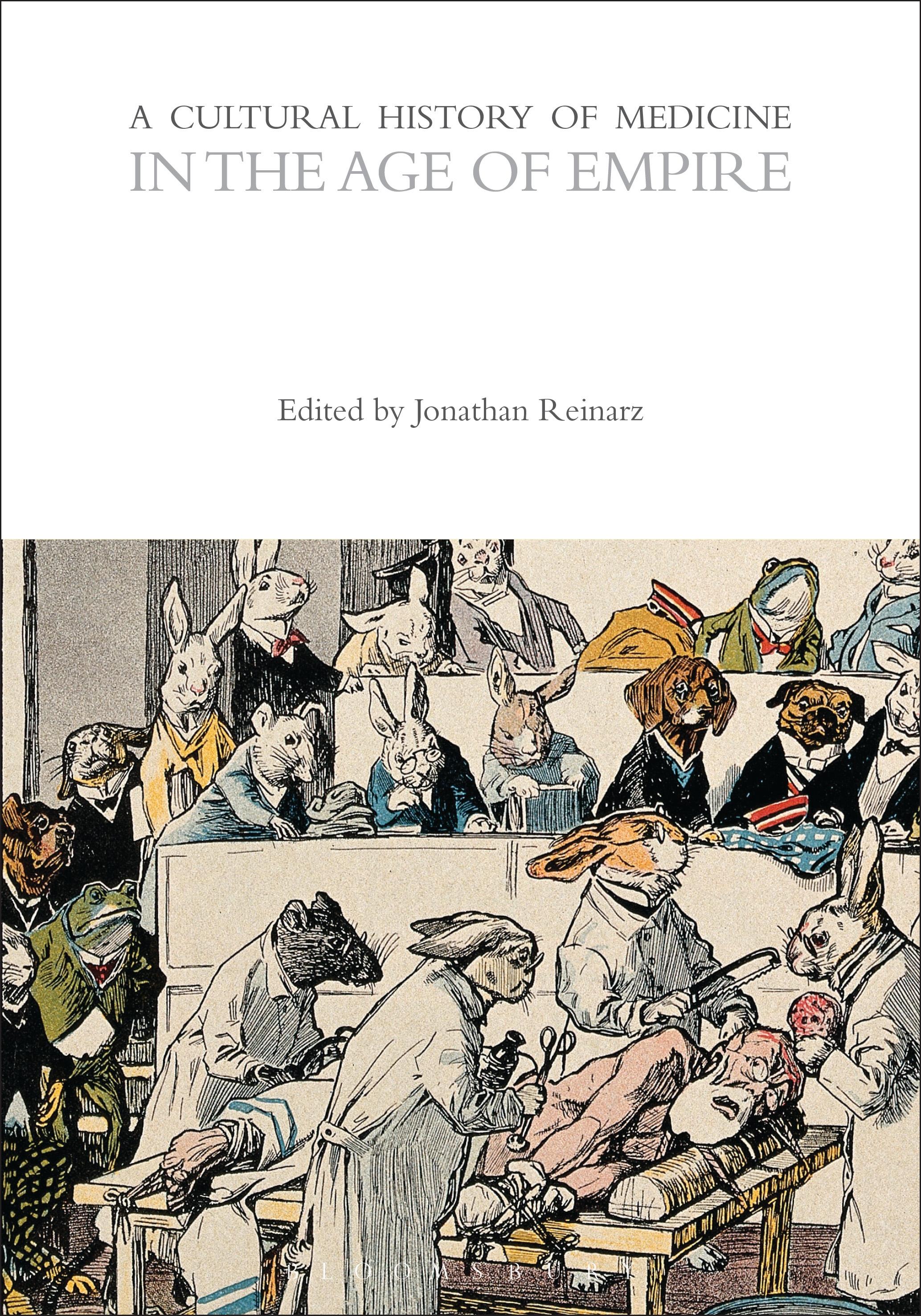
Historians describe the 'long 19th century' as an age of empire, characterized by expansion and industrialization. The period witnessed the evolution of Western medicine into something uniquely 'modern', rooted in the shift to industrial capitalism and encroachment of government monitoring to state health, as well as the colonial mindset that drove overseas travel and encounters with unfamiliar populations, climates and disease. More than ever before, food, drugs, people and sickness circumvented the globe, crossing borders and prompting enormous changes in the way people made sense of health and illness. Novel technologies, from vaccination to x-rays, and ways of organizing medicine and its delivery, increased the reach of medicine and augmented the power of the state and colonizers. Equally, the new medicine answered governments' growing recognition that health had acquired cultural value and meaning for their domestic populations. Spanning the period from 1800 to 1920, this volume surveys the spatial, experiential, visual and material cultures that shaped authority, mind and body, disease theories and the growing integration of human and animal health.
These essays focus on the centrality of the state and hospitals, the growing importance of controlled laboratory experimentation, statistical methods, medical specialization, as well as the impact of war and peace on sick and injured bodies marked by notions of gender, race and class. While documenting the rise of new medical paradigms, this volume also charts the ways in which patients and populations have mediated, contested and shaped medical encounters, as well as the meanings of health and illness. Together these chapters map the contours of recent trends and trajectories in the cultural history of medicine and set an agenda for the self-reflexive critique of medicine's past in the future.
These essays focus on the centrality of the state and hospitals, the growing importance of controlled laboratory experimentation, statistical methods, medical specialization, as well as the impact of war and peace on sick and injured bodies marked by notions of gender, race and class. While documenting the rise of new medical paradigms, this volume also charts the ways in which patients and populations have mediated, contested and shaped medical encounters, as well as the meanings of health and illness. Together these chapters map the contours of recent trends and trajectories in the cultural history of medicine and set an agenda for the self-reflexive critique of medicine's past in the future.
Pay easily by card, Klarna, Apple Pay or Google Pay. Not happy? You always have a 14-day money-back guarantee. Read more in our terms. If you have any questions, email us at hello@memmo.org.
Memmo makes studying easier – wherever you are in the world. We bring your course books and smart study tools together in one place: summaries, quizzes, podcasts and flashcards. Plus Ted, your study buddy who answers anything you wonder. Over 50,000 students already study here – built to help you learn faster and stress less.