
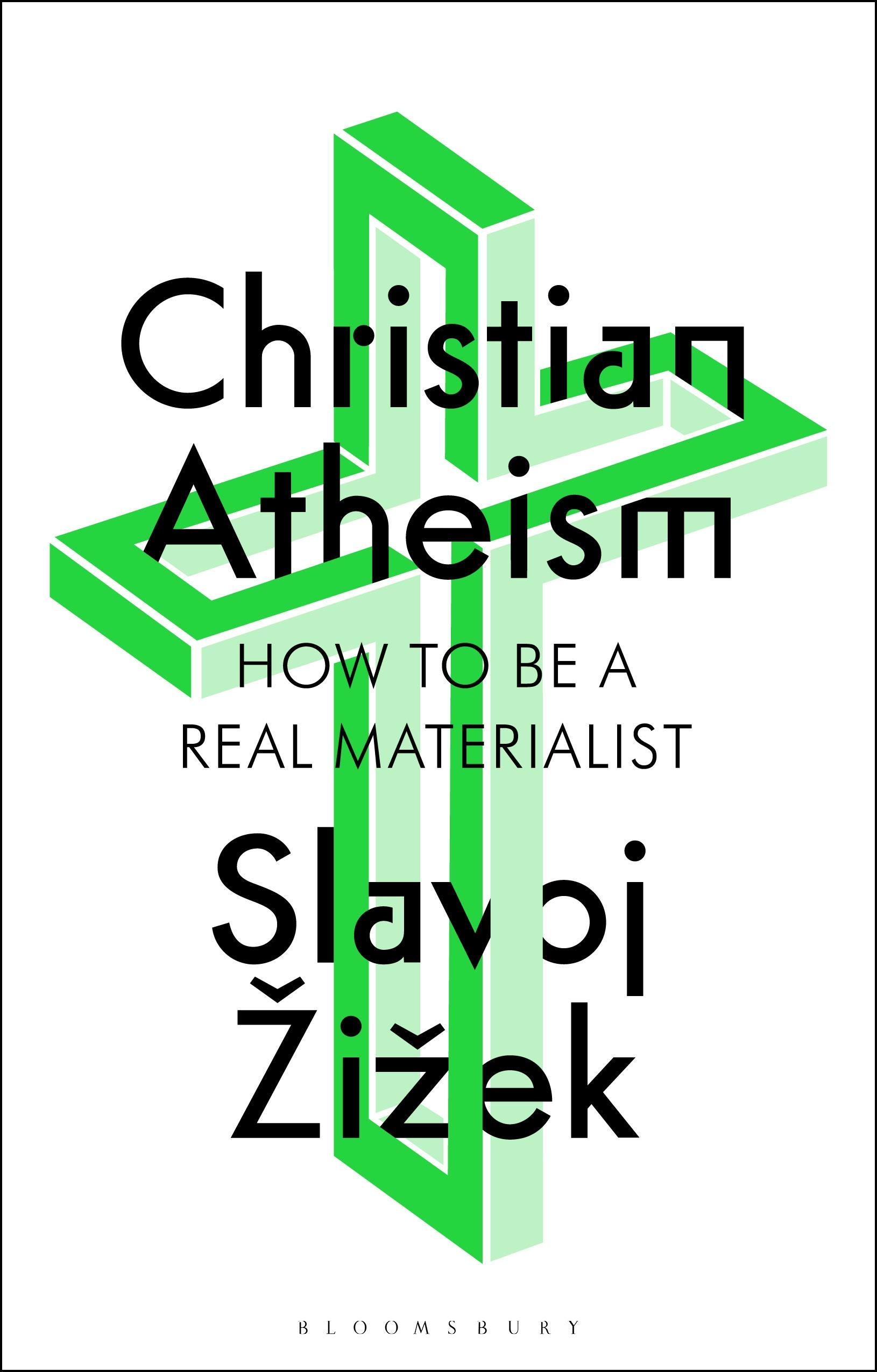
If we want to be true atheists, do we have to begin with a religious edifice and undermine it from within?
Slavoj Žižek has long been a commentator on, and critic of, Christian theology. His preoccupation with Badiou's concept of 'the event' alongside the Pauline thought of the New Testament has led to a decidedly theological turn in his thinking. Drawing on traditions and subjects as broad as Buddhist thought, dialectical materialism, political subjectivity, quantum physics, AI and chatbots, this book articulates Žižek's idea of a religious life for the first time.
Christian Atheism is a unique insight into Žižek's theological project and the first book-length exploration of his religious thinking. In his own words, "to become a true dialectical materialist, one should go through the Christian experience." Crucial to his whole conception of 'experience' is not some kind of spiritual revelation but rather the logic of materialistic thought. This affirmation of Christian theology whilst simultaneously deconstructing it is a familiar Žižekian move, but one that holds deep-seated political, philosophical and, in the end, personal import for him.
Here is Žižek's most extensive treatment of theology and religion to date.
Slavoj Žižek has long been a commentator on, and critic of, Christian theology. His preoccupation with Badiou's concept of 'the event' alongside the Pauline thought of the New Testament has led to a decidedly theological turn in his thinking. Drawing on traditions and subjects as broad as Buddhist thought, dialectical materialism, political subjectivity, quantum physics, AI and chatbots, this book articulates Žižek's idea of a religious life for the first time.
Christian Atheism is a unique insight into Žižek's theological project and the first book-length exploration of his religious thinking. In his own words, "to become a true dialectical materialist, one should go through the Christian experience." Crucial to his whole conception of 'experience' is not some kind of spiritual revelation but rather the logic of materialistic thought. This affirmation of Christian theology whilst simultaneously deconstructing it is a familiar Žižekian move, but one that holds deep-seated political, philosophical and, in the end, personal import for him.
Here is Žižek's most extensive treatment of theology and religion to date.
Pay easily by card, Klarna, Apple Pay or Google Pay. Not happy? You always have a 14-day money-back guarantee. Read more in our terms. If you have any questions, email us at hello@memmo.org.
Memmo makes studying easier – wherever you are in the world. We bring your course books and smart study tools together in one place: summaries, quizzes, podcasts and flashcards. Plus Ted, your study buddy who answers anything you wonder. Over 50,000 students already study here – built to help you learn faster and stress less.