
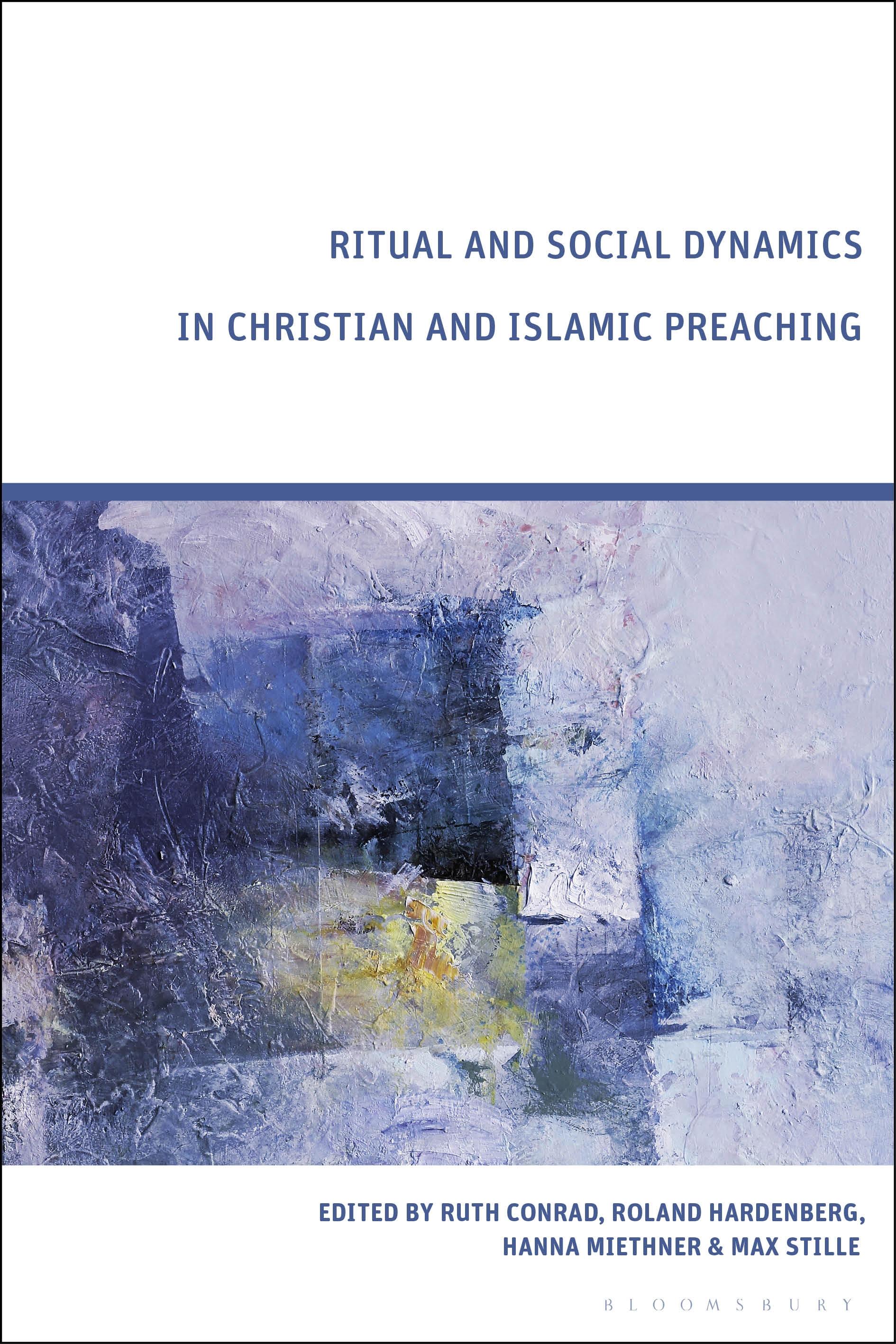
Christian and Islamic sermons from past and present, and their preachers, are analyzed to reveal the socio-cultural dynamics of religious speeches.
Part I focuses on the explicit contribution of sermons in socio-cultural transformation processes. It shows how sermons connect with holy texts, religious norms of the specific group, and social-cultural contexts.
Part II analyzes the dynamic tension between normativity and popularity. Rather than juxtaposing normative stances and the popularity of sermons, it shows how that normativity can itself contribute to popularity and the quest of popularity carries its own normative stances.
Part III explores the ritual embeddedness of religious speech in the sermon in relation to social dynamics, normativity, and popularity, and shows how speech and rituals have a reciprocal relationship.
Part I focuses on the explicit contribution of sermons in socio-cultural transformation processes. It shows how sermons connect with holy texts, religious norms of the specific group, and social-cultural contexts.
Part II analyzes the dynamic tension between normativity and popularity. Rather than juxtaposing normative stances and the popularity of sermons, it shows how that normativity can itself contribute to popularity and the quest of popularity carries its own normative stances.
Part III explores the ritual embeddedness of religious speech in the sermon in relation to social dynamics, normativity, and popularity, and shows how speech and rituals have a reciprocal relationship.
Pay easily by card, Klarna, Apple Pay or Google Pay. Not happy? You always have a 14-day money-back guarantee. Read more in our terms. If you have any questions, email us at hello@memmo.org.
Memmo makes studying easier – wherever you are in the world. We bring your course books and smart study tools together in one place: summaries, quizzes, podcasts and flashcards. Plus Ted, your study buddy who answers anything you wonder. Over 50,000 students already study here – built to help you learn faster and stress less.