
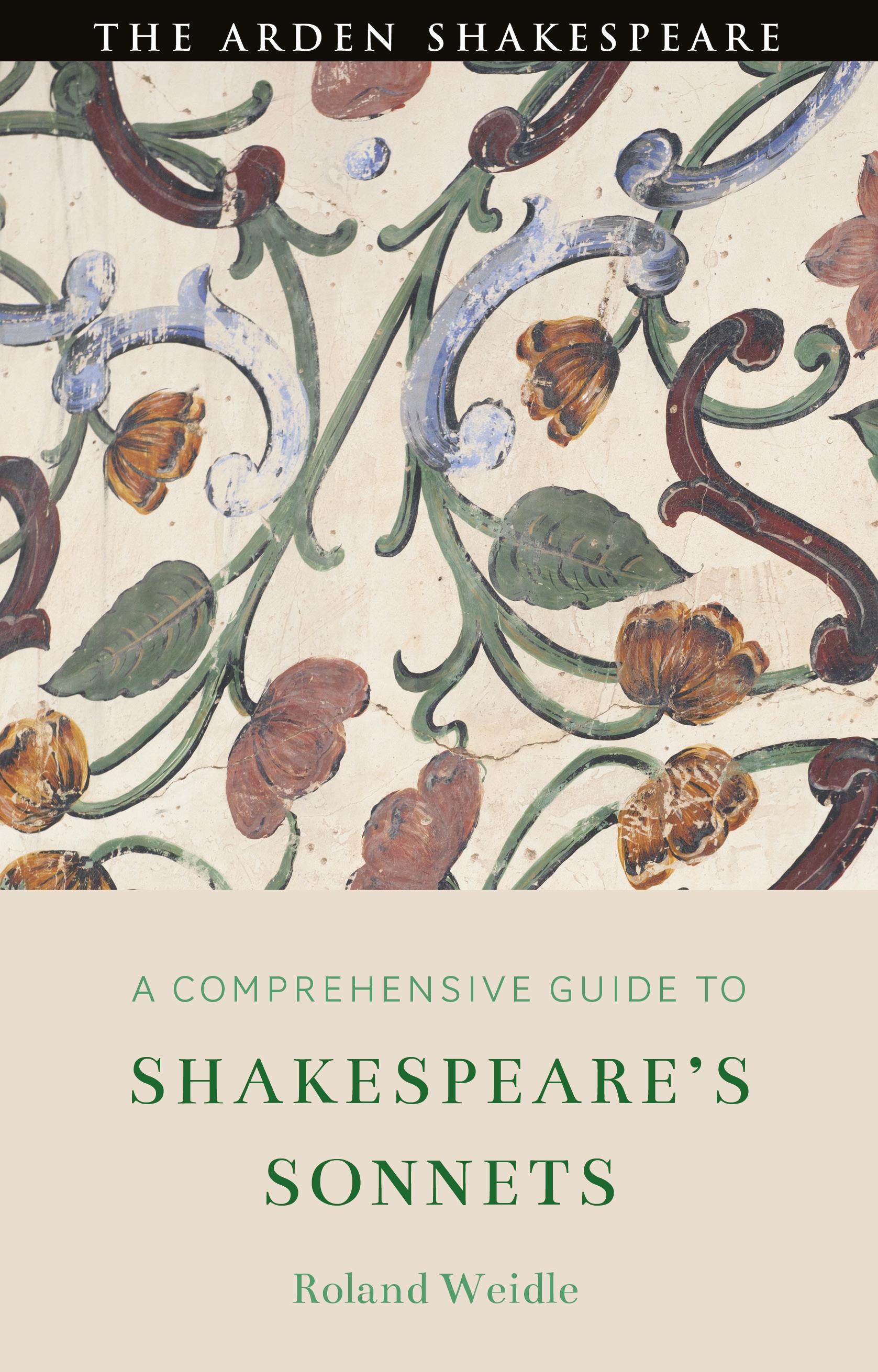
This book provides readers with the tools to unravel the complexities of one of the most difficult sonnet sequences, introducing them to the literary tradition, themes, stylistic features and cultural contexts of the genre and the collection, and offering close readings of more than 100 sonnets.
This combined approach enables readers not only to disentangle the complex relationships of the poems' characters but also to appreciate their philosophical, sensual, topical and subversive qualities.
Of the book's two sections, the first, 'Contexts and Forms', includes chapters on the sonnet tradition, early publication history, the structural features of the sequence and the Shakespearean sonnet, as well as the main characteristics of the dramatis personae. The second section, 'Themes', consists of 5 chapters and explores the theme clusters that can be identified throughout the sequence (preservation, writing, desire, deception, imagination). Additional features of the book include a step-by-step approach to a Shakespeare sonnet, a model interpretation of a sonnet, as well as charts and tables identifying and summarizing the sequence's mini-narratives, groups, addressees and themes. For easy reference, the sonnets discussed in the book are cross-referenced and listed in the index, which also includes key terms and names of works and people. Suggestions for further reading are provided at the end of each chapter, and the annotated bibliography includes brief descriptions of the most useful works for further study.
This combined approach enables readers not only to disentangle the complex relationships of the poems' characters but also to appreciate their philosophical, sensual, topical and subversive qualities.
Of the book's two sections, the first, 'Contexts and Forms', includes chapters on the sonnet tradition, early publication history, the structural features of the sequence and the Shakespearean sonnet, as well as the main characteristics of the dramatis personae. The second section, 'Themes', consists of 5 chapters and explores the theme clusters that can be identified throughout the sequence (preservation, writing, desire, deception, imagination). Additional features of the book include a step-by-step approach to a Shakespeare sonnet, a model interpretation of a sonnet, as well as charts and tables identifying and summarizing the sequence's mini-narratives, groups, addressees and themes. For easy reference, the sonnets discussed in the book are cross-referenced and listed in the index, which also includes key terms and names of works and people. Suggestions for further reading are provided at the end of each chapter, and the annotated bibliography includes brief descriptions of the most useful works for further study.
Pay easily by card, Klarna, Apple Pay or Google Pay. Not happy? You always have a 14-day money-back guarantee. Read more in our terms. If you have any questions, email us at hello@memmo.org.
Memmo makes studying easier – wherever you are in the world. We bring your course books and smart study tools together in one place: summaries, quizzes, podcasts and flashcards. Plus Ted, your study buddy who answers anything you wonder. Over 50,000 students already study here – built to help you learn faster and stress less.