
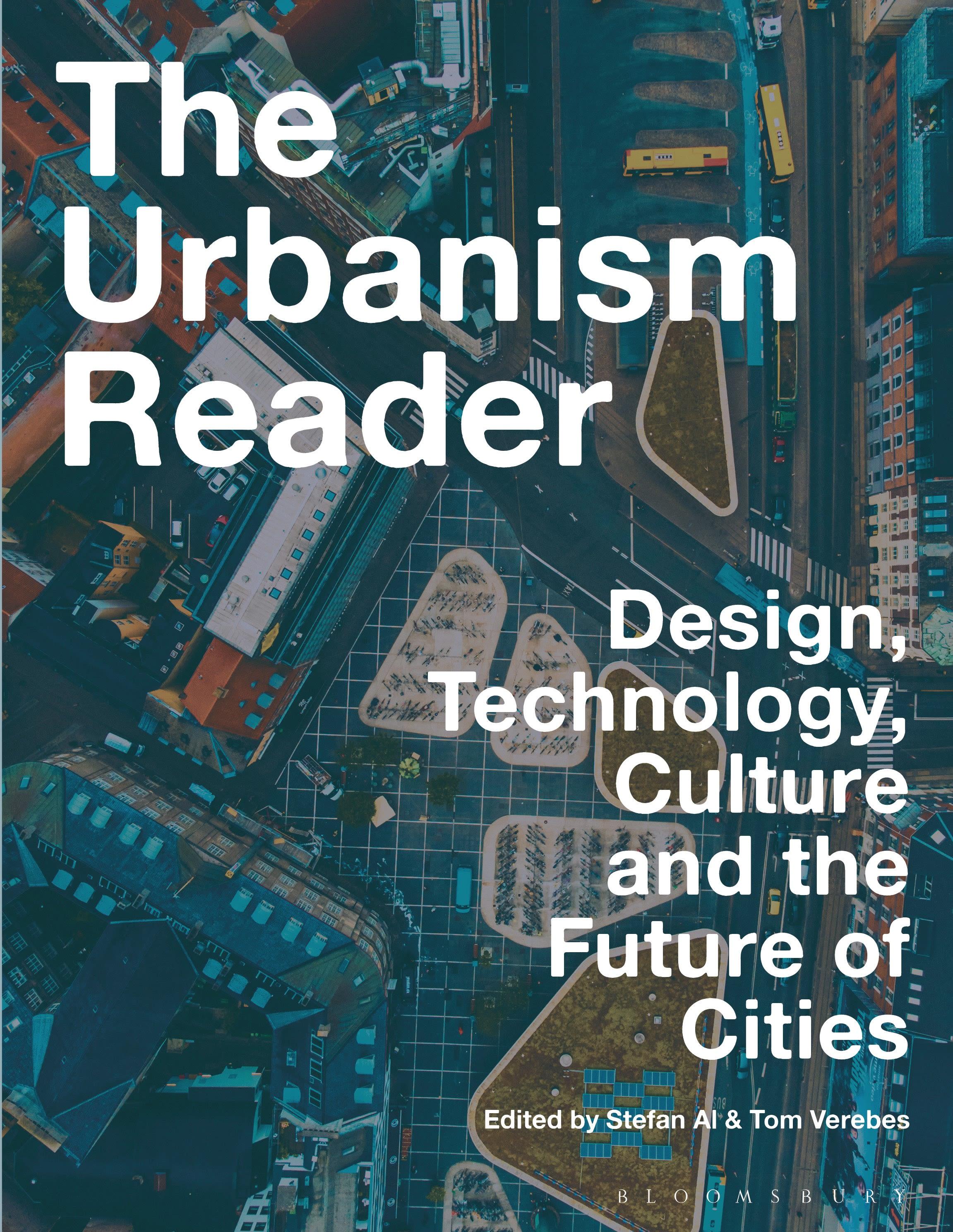
Positioning design at the center of the debate, The Urbanism Reader brings together classic and contemporary readings to help designers understand the complexities of cities and urban design in the 21st century.
The selection of readings presented here is uniquely tailored to a design perspective for architects and urban designers – balancing social issues in urbanism with a clear focus on foregrounding design as an instrument for change in cities, and examining the outcomes and challenges of recent design theories, design methods, and technologies in the built urban environment.
Covering today's most urgent issues, 45 texts explore key topics in urbanism – from digital design technologies to smart cities, from the ongoing ecological crisis to public health and the impact of Covid-19, and from emergence and informality to economic inequity in global cities. Chapters cover cultural issues including diversity, indigenous knowledge, decolonization, social justice, and inclusion alongside technological developments, while a final chapter speculates on the future of urbanism through readings in AI, virtual reality, and the frontiers of current thinking in architecture and urban design.
The extracts are grouped by theme, each with an introduction to the historical contexts and guiding paradigms – helping design students, researchers, and professionals to make sense of the diverse field of theory and practice in the past, present, and future of global urbanism.
The selection of readings presented here is uniquely tailored to a design perspective for architects and urban designers – balancing social issues in urbanism with a clear focus on foregrounding design as an instrument for change in cities, and examining the outcomes and challenges of recent design theories, design methods, and technologies in the built urban environment.
Covering today's most urgent issues, 45 texts explore key topics in urbanism – from digital design technologies to smart cities, from the ongoing ecological crisis to public health and the impact of Covid-19, and from emergence and informality to economic inequity in global cities. Chapters cover cultural issues including diversity, indigenous knowledge, decolonization, social justice, and inclusion alongside technological developments, while a final chapter speculates on the future of urbanism through readings in AI, virtual reality, and the frontiers of current thinking in architecture and urban design.
The extracts are grouped by theme, each with an introduction to the historical contexts and guiding paradigms – helping design students, researchers, and professionals to make sense of the diverse field of theory and practice in the past, present, and future of global urbanism.
Pay easily by card, Klarna, Apple Pay or Google Pay. Not happy? You always have a 14-day money-back guarantee. Read more in our terms. If you have any questions, email us at hello@memmo.org.
Memmo makes studying easier – wherever you are in the world. We bring your course books and smart study tools together in one place: summaries, quizzes, podcasts and flashcards. Plus Ted, your study buddy who answers anything you wonder. Over 75,000 students already study here – built to help you learn faster and stress less.