
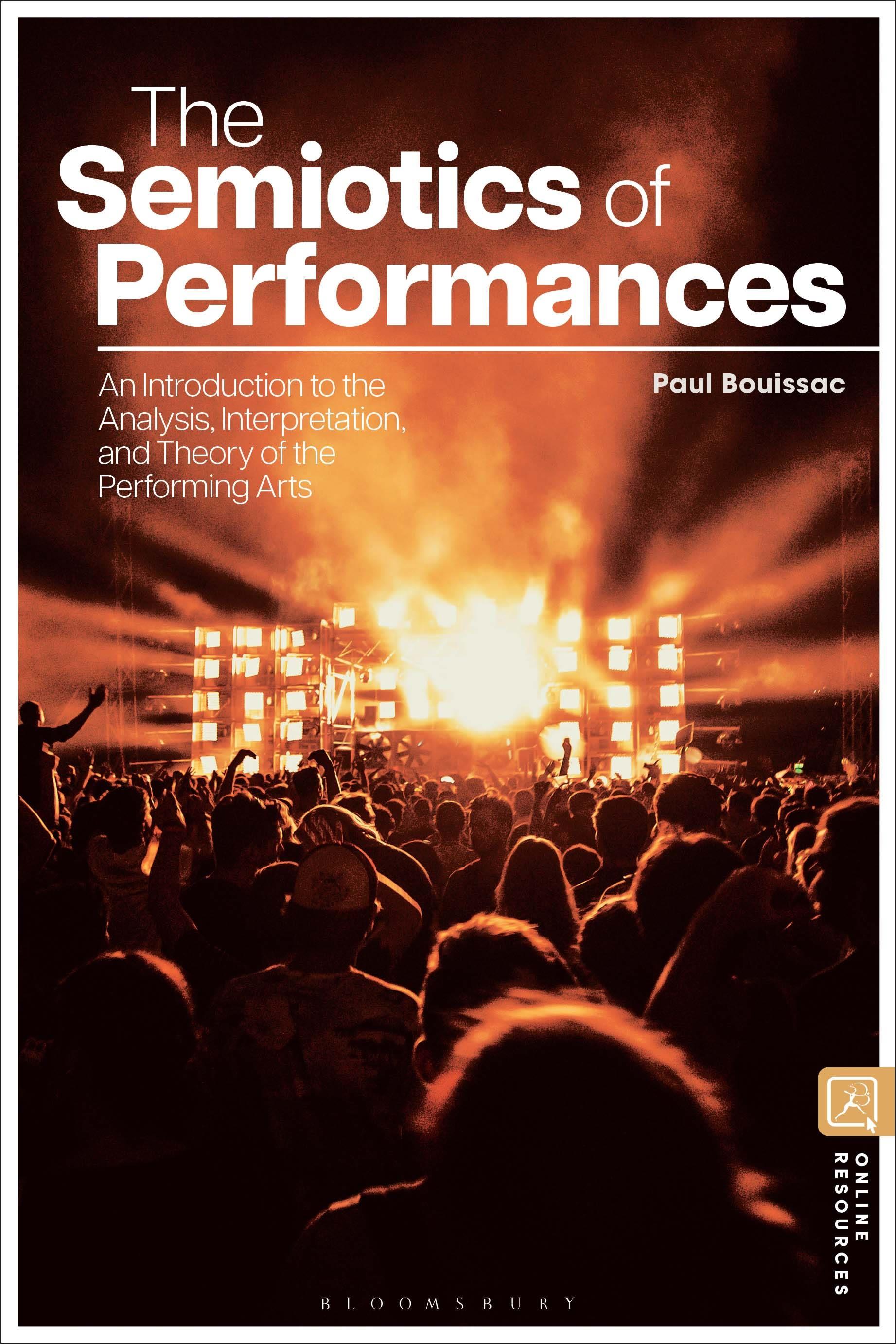
What is a live performance? And why is semiotics the best approach for the analysis and interpretation of the performing arts?
Drawing on semiotic developments of the past five decades, this book introduces students to the semiotic analysis of live performances and provides them with a clear method for untangling the multimodal complexity of performance from the spectator's point of view.
Presenting live performances as two-way communication processes, social events, and cognitive and affective experiences, each chapter of this highly accessible book begins first with an overview of the basics. This is followed by a case study, and moves through to a more advanced discussion, accompanied by suggestions for exercises and further reading. Diagrams and flow charts help to clearly illustrate the conceptual tools used in the analytical process, and a companion website contains recorded extracts from the live performances discussed in the book, which students can use to put their knowledge into practice. The book explores a broad range of performance types from across different cultures, including music, opera, ballet, theatre, circus, mime, improvisation, and immersion. It offers a guide for understanding the way in which a performance is produced, from an initial idea through to the final presentation in front of a live audience, and provides the reader with the tools and understanding they need for a successful semiotic analysis of live performance.
Drawing on semiotic developments of the past five decades, this book introduces students to the semiotic analysis of live performances and provides them with a clear method for untangling the multimodal complexity of performance from the spectator's point of view.
Presenting live performances as two-way communication processes, social events, and cognitive and affective experiences, each chapter of this highly accessible book begins first with an overview of the basics. This is followed by a case study, and moves through to a more advanced discussion, accompanied by suggestions for exercises and further reading. Diagrams and flow charts help to clearly illustrate the conceptual tools used in the analytical process, and a companion website contains recorded extracts from the live performances discussed in the book, which students can use to put their knowledge into practice. The book explores a broad range of performance types from across different cultures, including music, opera, ballet, theatre, circus, mime, improvisation, and immersion. It offers a guide for understanding the way in which a performance is produced, from an initial idea through to the final presentation in front of a live audience, and provides the reader with the tools and understanding they need for a successful semiotic analysis of live performance.
Pay easily by card, Klarna, Apple Pay or Google Pay. Not happy? You always have a 14-day money-back guarantee. Read more in our terms. If you have any questions, email us at hello@memmo.org.
Memmo makes studying easier – wherever you are in the world. We bring your course books and smart study tools together in one place: summaries, quizzes, podcasts and flashcards. Plus Ted, your study buddy who answers anything you wonder. Over 75,000 students already study here – built to help you learn faster and stress less.