
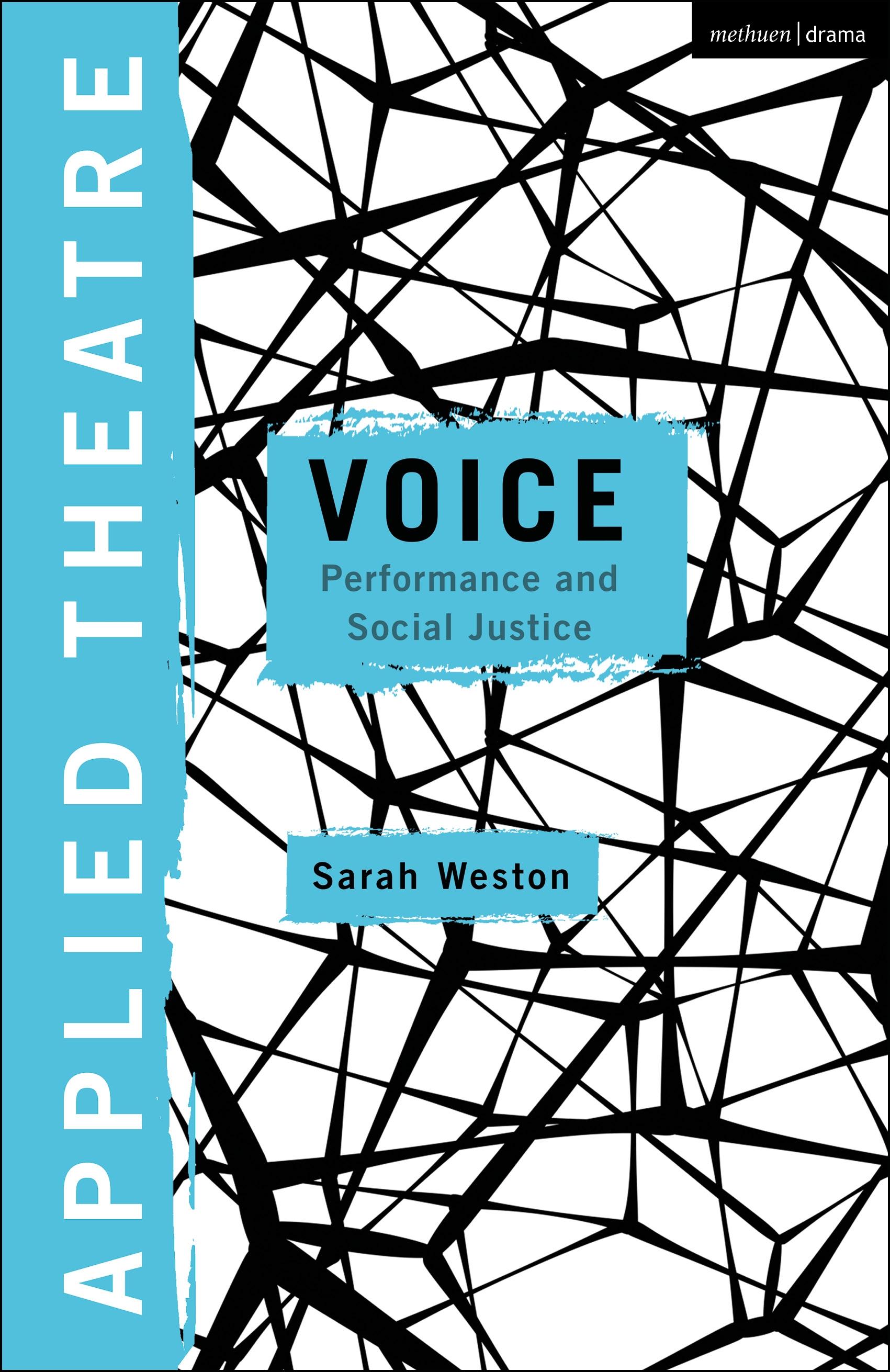
Applied Theatre: Voice is a unique exploration of the conceptual and practical understandings of voice in relation to applied theatre.
Voice is fundamental to much practice that takes place in applied and community performance and is regularly the go-to word to articulate community involvement and engagement, be that in terms of creativity, or social, cultural and political activity. Yet often in these references, the preciseness of what we mean by voice is lost. Is voice in applied theatre simply another word for representation, as in 'finding' or 'giving' voice? Or is voice also referring to the material, sonic and embodied phenomenon of human communication, when we consider the relationship between voice, performance and social justice?
In this book, voice in applied theatre is critically examined in a range of practical case studies, discussing both its symbolic and material function, demonstrating the necessity of considering both when working in applied and community spaces. In Part One, voice as a concept is introduced, discussing recent theorizations of voice and why they are significant to applied theatre. Part Two introduces the case studies, exploring divergent understandings of why the voice matters in community practice.
Voice is fundamental to much practice that takes place in applied and community performance and is regularly the go-to word to articulate community involvement and engagement, be that in terms of creativity, or social, cultural and political activity. Yet often in these references, the preciseness of what we mean by voice is lost. Is voice in applied theatre simply another word for representation, as in 'finding' or 'giving' voice? Or is voice also referring to the material, sonic and embodied phenomenon of human communication, when we consider the relationship between voice, performance and social justice?
In this book, voice in applied theatre is critically examined in a range of practical case studies, discussing both its symbolic and material function, demonstrating the necessity of considering both when working in applied and community spaces. In Part One, voice as a concept is introduced, discussing recent theorizations of voice and why they are significant to applied theatre. Part Two introduces the case studies, exploring divergent understandings of why the voice matters in community practice.
Pay easily by card, Klarna, Apple Pay or Google Pay. Not happy? You always have a 14-day money-back guarantee. Read more in our terms. If you have any questions, email us at hello@memmo.org.
Memmo makes studying easier – wherever you are in the world. We bring your course books and smart study tools together in one place: summaries, quizzes, podcasts and flashcards. Plus Ted, your study buddy who answers anything you wonder. Over 75,000 students already study here – built to help you learn faster and stress less.